









Small-Cap Stocks Are A Buy
I remain bearish on stocks but hold a leveraged ETF for the iShares Russell 2000, which is in a bear market, down 21% from its peak. Small-cap stocks have underperformed large-caps, especially during recessions, but technical analysis suggests potential short-term gains from gap-fills and Fibonacci retracements. I favor ETFs like IWM and Vanguard Small Cap Value Index for small-cap exposure, highlighting their low management fees and diversified holdings.

IWM ETF: Here's why the Russell 2000 has crashed and what next
The iShares Russell 2000 Index (IWM) has suffered a big reversal after surging to a record high earlier this year. The fund, which tracks the top small cap companies in the US, retreated to a low of $200, down by almost 20% from its all-time high.

2 ETFs to Buy Hand Over Fist as Trump's “Liberation Day” Nears
Exchange-traded funds (ETFs) remain a powerful tool for investors, offering diversification, low costs, and flexibility.

Should iShares Russell 2000 ETF (IWM) Be on Your Investing Radar?
Designed to provide broad exposure to the Small Cap Blend segment of the US equity market, the iShares Russell 2000 ETF (IWM) is a passively managed exchange traded fund launched on 05/22/2000.

IWM ETF: Russell 2000 crashes as fear and greed index tumbles
The Russell 2000 index crashed for the second consecutive week as the fear and greed index moved to the extreme fear level. The closely-watched iShares Russell 2000 ETF (IWM) plunged to a low of $212 on Thursday, down by over 13% from its highest level this year, meaning that it is in a technical correction.

IWM: Buy The 10% Dip, Lower Rates A Bullish Factor With EPS Growth Ahead
I maintain a buy rating on IWM due to its low valuation and potential for significant upside despite recent technical weaknesses. IWM has underperformed the S&P 500 but has outpaced the S&P SmallCap 600 ETF, showing resilience despite a high percentage of unprofitable firms. Long-term prospects for IWM are strong, with an expected 8% annualized return over 10 years, supported by a low forward P/E ratio.

What is the outlook of the iShares Russell 2000 (IWM) ETF?
The iShares Russell 2000 ETF (IWM) crashed hard in the futures market as investors dumped small cap stocks. It dropped to $221.60 on Monday, its lowest level on January 14.

IWM, Small-Cap Stocks Face A Rocky Road Ahead
The iShares Russell 2000 ETF has been stagnant since February 2021, with rising interest rates and falling 2025 earnings estimates adding to investor frustration. Valuations are stretched, with a 12-month P/E ratio at 26.2, significantly above its historical median, making a compelling case for investment weakness. Tight credit spreads, historically low at 2.56%, limit the potential for P/E multiple expansion, suggesting limited upside for the ETF.

IWM ETF: Here's why the Russell 2000 index is crashing
The iShares Russell 2000 ETF (IWM) has dropped into a technical correction after falling by over 11% from its highest level in 2024. It retreated to $214, its lowest level since September last year, lagging behind its top peers like the S&P 500 and Nasdaq 100 indices.

Should iShares Russell 2000 ETF (IWM) Be on Your Investing Radar?
Looking for broad exposure to the Small Cap Blend segment of the US equity market? You should consider the iShares Russell 2000 ETF (IWM), a passively managed exchange traded fund launched on 05/22/2000.
5 Metrics to Watch as Stocks Make 2025 Debut
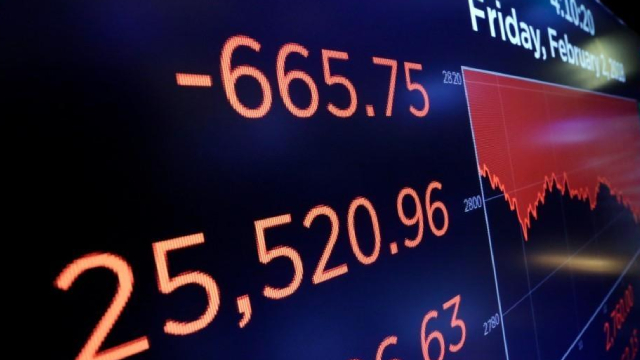
After a robust 2024, sellers are back in control on Wall Street. Investors should observe the five indicators mentioned in this article to determine the next big market move.

SPY Vs. IWM: Why We Prefer Small-Cap Stocks
In recent days, the macroeconomic landscape has shifted drastically with changes in the Fed's dot plot and the outlook of further interest rate cuts. The more hawkish interest rate outlook could translate into a stronger headwind for IWM than SPY. But IWM's valuation discount relative to SPY is too large at this point, and also offsets the downside risk.



