



Abbott Laboratories (ABT)










Countdown to Abbott (ABT) Q3 Earnings: A Look at Estimates Beyond Revenue and EPS
Beyond analysts' top-and-bottom-line estimates for Abbott (ABT), evaluate projections for some of its key metrics to gain a better insight into how the business might have performed for the quarter ended September 2026.
3 Overlooked Healthcare Dividend Stocks That Could Keep Paying for Decades
Most income investors chase flashy yields and overlook the quiet compounders that have raised their dividends through recessions, rate shocks, and global pandemics.

Should You Add Abbott Stock to Your Portfolio Ahead of Q3 Earnings?
ABT's Q3 earnings are likely to have benefited from Diagnostics growth, Medical Device momentum and Nutrition innovations, while its valuation below historical levels draw investor interest.

Abbott (ABT) Gains As Market Dips: What You Should Know
Abbott (ABT) closed the most recent trading day at $101.82, moving +2.23% from the previous trading session.

History Says Abbott Stock Could More Than Double by 2036. Here's Why I Just Added It to My Portfolio.
Abbott has grown its earnings per share at a nearly 10% compound annual rate over the past decade. Its stock price could more than double by 2036 using a more conservative 8% growth rate.

Cancer Stocks to Consider as Oncology Innovation Accelerates
Oncology stocks are gaining relevance as cancer care evolves, with Pfizer, Merit Medical Systems and Abbott advancing treatments, diagnostics and screening technologies.

Is It Worth Investing in Abbott (ABT) Based on Wall Street's Bullish Views?
The recommendations of Wall Street analysts are often relied on by investors when deciding whether to buy, sell, or hold a stock. Media reports about these brokerage-firm-employed (or sell-side) analysts changing their ratings often affect a stock's price.

Abbott Laboratories (ABT) is Attracting Investor Attention: Here is What You Should Know
Recently, Zacks.com users have been paying close attention to Abbott (ABT). This makes it worthwhile to examine what the stock has in store.
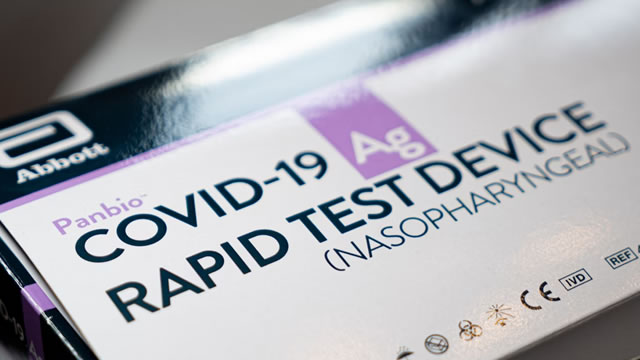
Abbott (ABT) Stock Drops Despite Market Gains: Important Facts to Note
Abbott (ABT) closed the most recent trading day at $98.16, moving 1.94% from the previous trading session.
4 Low-Beta Healthcare Stocks to Buy Amid Fears of Another Rate Hike
ABT, CORT, PGEN and BHC offer low-beta healthcare exposure as rate-hike fears and market volatility persist.
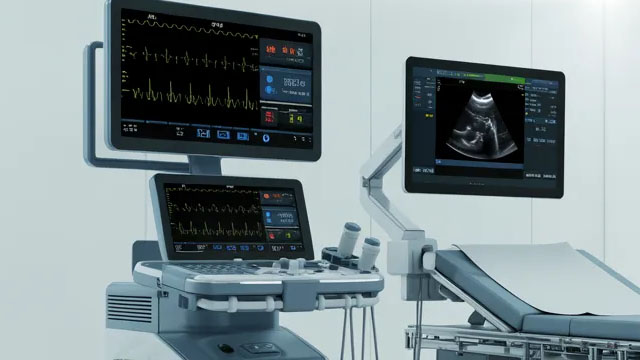
3 Historically Stable Dividend Raisers in Medical Devices Offering Solid Yields With Fortress-Like Growth
Pacemakers and glucose monitors keep selling whether the economy booms or collapses, and three medical device giants have spent decades turning that predictable demand into paychecks that grow every single year.

Is Abbott (ABT) a Buy as Wall Street Analysts Look Optimistic?
The recommendations of Wall Street analysts are often relied on by investors when deciding whether to buy, sell, or hold a stock. Media reports about these brokerage-firm-employed (or sell-side) analysts changing their ratings often affect a stock's price.




