






'Economic Isolation' for Iran? ETFs to Gain/Lose
Iran faces new economic pressure. See which ETFs could gain or lose from higher oil, defense spending and inflation risks.
Natural Gas and Oil Forecast: Weak Demand Clashes With Persistent Hormuz Risks
Oil markets balance weaker demand and rising inventories against Hormuz supply risks, while tight LNG flows keep natural gas markets in focus.
Oil rises on worries over supply disruptions as spill near Oman worsens
Oman's coastline is reportedly being affected by a massive oil spill caused by a leaking tanker. Deadly attacks on vessels in the Gulf of Oman and the Red Sea have pushed worries over supply disruptions up another notch.

Oil drops on lower demand forecasts despite deadlock in US-Iran talks
Oil prices fell more than $1 on Thursday as forecasters lowered global oil demand projections for 2026 because of the disruptions from the U.S.-Israeli war on Iran, though the supply constraints from the conflict provided a floor for the market.

Oil prices drop as investors weigh lower demand forecasts against US-Iran talks deadlock
Attacks on ships in the Middle East continued as talks to end the Iran war hit an impasse.
U.S. Crude Oil Stockpiles Post Unexpected Build
Commercial crude oil stocks excluding the Strategic Petroleum Reserve rose by 17.4 million barrels to 424.4 million barrels in the week ended Aug. 7 and were about 2% below the five-year average for the time of year, the EIA said
Dearth Of Reliable Data Plagues Crude Oil Market Assessments
Confusion continues to rule the day related to global crude oil markets as a dearth of reliable data related to oil flows frustrates the ability of analysts and companies alike to make accurate assessments. Recent reports by both U.S. Energy Secretary Chris Wright and the International Energy Agency illustrate the challenge.

OPEC Cuts Oil-Demand Forecast Again as Hormuz Talks Stall
The Organization of the Petroleum Exporting Countries again cut its forecast for global oil-demand growth for this year, as stalled talks to reopen the critical Strait of Hormuz waterway and risks in the Red Sea prolong disruptions to global supplies.
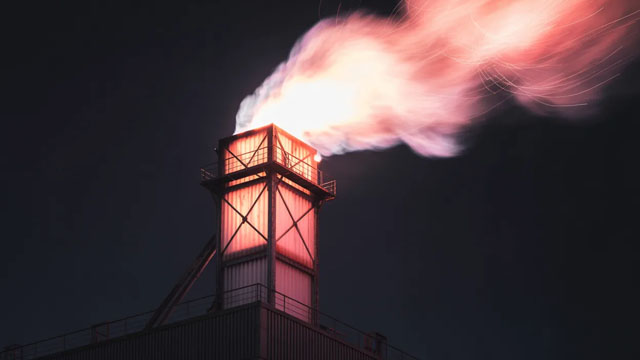
Oil Rises; Volatility Expected Amid Middle East Developments
Oil rose in early Asian trade. Crude prices remain volatile as markets react to developments in the Middle East, Infinox said.
Crude Oil Price Forecast: Breakout Targets $94.34 and Beyond
WTI crude oil broke higher from a falling wedge, putting $94.34 in focus while holding $82.52 support could keep the broader bullish reversal intact.

The Oil Round Trip Isn't Over, And Neither Is Its Effect On Your Portfolio
Crude oil spent the first half of 2026 doing something markets had spent two decades assuming they'd never see again. A conflict in the Gulf closed the Strait of Hormuz, and global production shut-ins peaked at 11.2 million barrels a day in May.
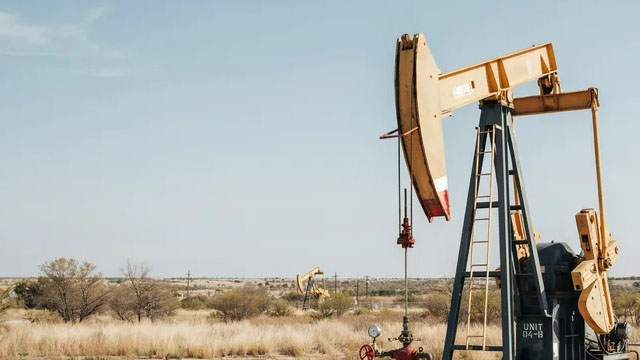
Oil Is Climbing Again. A Looming Natural Gas Shortage Could Hit US Consumers Even Harder.
West Texas Intermediate crude is rising to $82.47 a barrel today, up 5.5% from a month earlier.




