






Best-Performing ETF Areas of Last Week
Gold, space, defense and silver-mining ETFs soared last week as weak jobs data eased Fed rate-hike fears and boosted risk appetite.
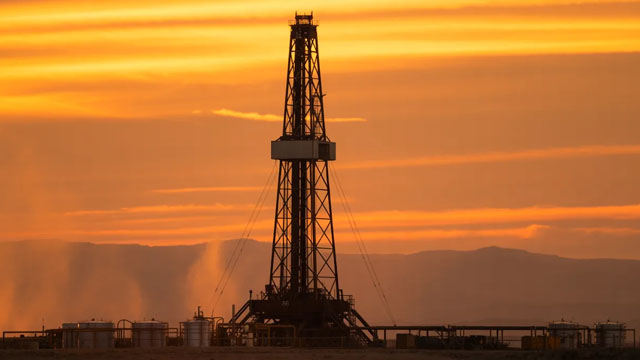
Analyst Warns “US Basically Has No Strategic Petroleum Reserve Anymore,” As Reserves Just Fell Below 300 Million Barrels for the First Time Since 1983
The U.S. Strategic Petroleum Reserve slipped to 298.7 million barrels in the week reported Aug.

U.S. oil tops $84 as Hormuz deal hopes dwindle and deadlock deepens
Latest statements from Washington and Tehran suggest no imminent reopening of the Strait of Hormuz, dashing last week's expectations of a potential deal. The Trump administration on Monday extended its suspension of a shipping law in an effort to boost flows.

Why the Real Oil Squeeze Is Happening in Refineries
The Iran war, Ukrainian attacks on Russia and China's fuel export restrictions have taken millions of barrels of refined products off global markets and left customers scrambling to locate alternative supplies.

Hormuz Deadlock: Where oil prices could head next as prospects for an imminent deal fade
Oil price gains remained in check on Monday, even after Washington's latest hints of an imminent U.S.-Iran deal to reopen the Strait of Hormuz failed to deliver. Market moves won't be so "benign" if the current deadlock runs into next week, Jefferies economist Modupe Adegbembo told CNBC.
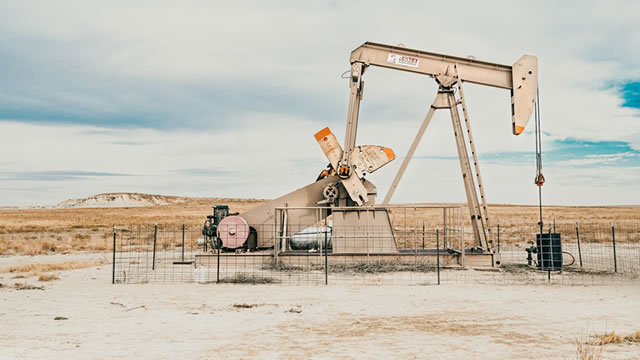
Oil Surges With No Hormuz Deal in Sight
Plus, Nvidia's big deal and Intel's share sale.

US oil jumps above $80 per barrel as Strategic Petroleum Reserve reaches lowest level since 1983
West Texas Intermediate crude oil prices rose 4.6% to $81.78 a barrel while Brent crude increased 4.7% to $87.45 a barrel.

Oil in US Strategic Petroleum Reserve falls to lowest level since 1983
U.S. Strategic Petroleum Reserve stocks dropped by 6.1 million barrels to 298.7 million, reaching their lowest point since January 1983 amid Middle East supply strains.

Crude Oil Price Analysis – Crude Oil Continues to Move on Headlines
Crude oil markets are showing signs of positivity early on Monday. With this being the case, the market is still watching headlines closely.
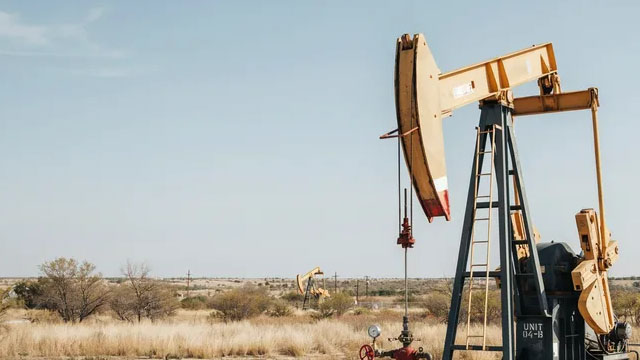
Oil Rises Amid Growing Doubts That Strait of Hormuz Can Reopen Soon
Oil prices rose amid growing doubts that the Strait of Hormuz can reopen soon, bolstering concerns over supply disruptions in the Middle East.

Oil Rises Amid Growing Doubts Over Strait of Hormuz's Reopening
Oil rose in early Asian trade amid growing doubts over the reopening of the Strait of Hormuz.
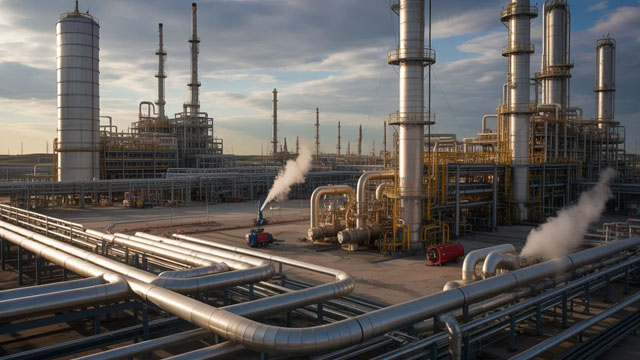
Crude Oil Weekly Forecast – Geopolitical Chaos Keeps Market Trapped
Crude oil markets have had a tough week yet again, as the headlines are continuing to cause chaos for traders to deal with.




