



Micron Technology, Inc. (MU)














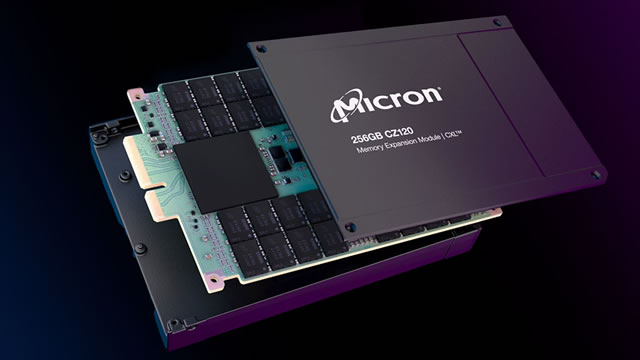
Micron stock has a $3,000 bull case, so why can't MU break above $1,100?
Micron has one of Wall Street's most aggressive bull cases, but the stock is still behaving as though investors need more proof. MU closed Friday at $1,029 after spending much of the past month trapped between roughly $1,000 and $1,100.

SpaceX, Telecom Sell-Off, Micron's A Grades, Steve Cress Origin Story
SpaceX's $8B deal sparked sell off in major telecom stocks - but is it warranted? Micron (MU) maintains a Quant Strong Buy rating, supported by A grades in valuation, growth, profitability, and momentum.
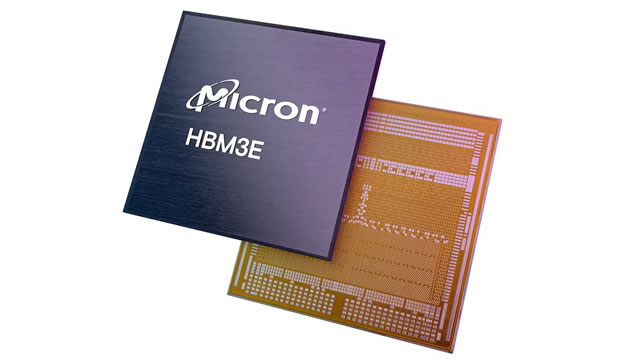
Micron Suffers Extreme AI Pessimism: Structural Demand Through 2031 (Rating Upgrade)
The best time to buy is at the time of maximum AI pessimism, given the serious disconnect between Micron's robust fundamentals and discounted stock valuations/prices. The 26 SCAs lock in RPOs worth $150B through 2031 and cash commitments of $32B, providing multi-year revenue visibility while mitigating the sector's cyclical risks. Memory/storage oversupply risks have been overstated, given the ongoing power grid interconnection delays and the next decade's physical AI (robots/autonomous) tailwinds.

Trading expert sets date when Micron (MU) stock will crash to $400
Micron Technology (NASDAQ: MU) could plunge to $400 in early June 2027 if its current rally repeats a price pattern from the Dot-com bubble.
Two massive trades just happened in Micron and Nvidia. What they could mean for chips
More than 180,000 puts traded in SMH by midday, compared to 50,000 calls, with $46 million of premium tied to puts versus $26 million in calls, according to ThinkOrSwim and SpotGamma data. By volume, 129,000 put contracts look like they were bought, according to SpotGamma.

Micron: Even If Memory Prices Fall 15%, It May Still Be Undervalued
Micron Technology receives a Buy rating, with a base-case target price of $1,307, representing approximately 25% upside from current levels. MU's strong earnings growth is supported by AI infrastructure demand and industry-wide supply constraints, which have driven significant revenue and margin expansion. The investment thesis assumes continued shipment growth and a manageable decline in memory pricing as industry supply eventually expands.
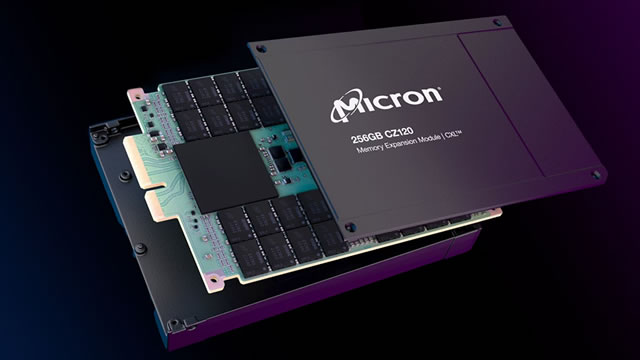
Micron Has Evolved Into a Next Gen Player So I Keep Adding
Every time Micron dips, one investor keeps buying more shares, and the reasoning has nothing to do with short-term momentum.

Micron: Bears Are Fighting Physics With Spreadsheets
Micron is positioned as an AI infrastructure toll-collector, benefiting from surging agentic AI memory demand and strategic customer agreements (SCAs). MU's $32 billion in zero-interest client deposits and long-term SCAs de-risk capital spending, supporting robust margins even in downturns. Rising HBM complexity and wafer trade ratios constrain physical memory supply, countering oversupply fears despite $50B+ annual CapEx.

Micron Stock Is Range-Bound in Choppy AI Trade. What Could Change That.
Micron stock is recovering from a selloff on Thursday but investors may have to wait for major gains for the the memory-chip company's shares.

Micron, Nvidia and AI chip stocks fall as report on OpenAI's revenue causes ‘undue concern'
OpenAI's annualized revenue reportedly fell short of expectations — but analysts say that reflects differences in how the figure is reported, not weakness in AI demand.
Micron & 2 Profitable Stocks to Buy in October for Big Upside
Micron Technology, NVIDIA and Par Pacific Holdings stand out for strong net profit margins and earnings growth in a screen of profitable stocks.
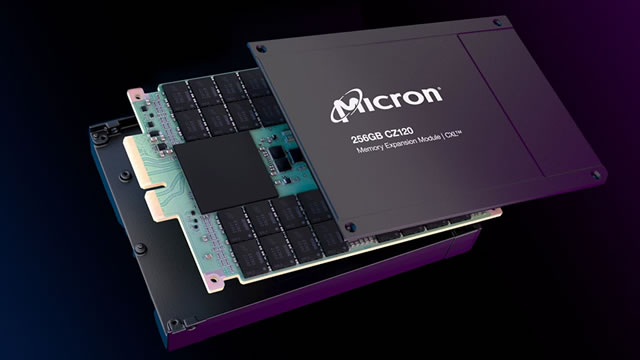
Why Micron (MU) Might be Well Poised for a Surge
Micron (MU) shares have started gaining and might continue moving higher in the near term, as indicated by solid earnings estimate revisions.




