



RTX Corporation (RTX)











Can RTX's Survivable Communications Portfolio Support Defense Growth?
RTX broadens its defense communications portfolio with satellite, a Very Low Frequency communication subsystem, and command-and-control capabilities.

RTX Highlights $289B Backlog as Aerospace, Defense Demand Powers Growth
RTX NYSE: RTX Chairman, President and CEO Chris Calio said the aerospace and defense company remains positioned to benefit from sustained commercial aviation and defense demand, citing a $289 billion backlog that was up 22% from a year earlier.

RTX Corporation (RTX) Presents at Morgan Stanley's 14th Annual Laguna Conference Transcript
RTX Corporation (RTX) Presents at Morgan Stanley's 14th Annual Laguna Conference Transcript
RTX (RTX) Dips More Than Broader Market: What You Should Know
RTX (RTX) reached $195.34 at the closing of the latest trading day, reflecting a -1.18% change compared to its last close.
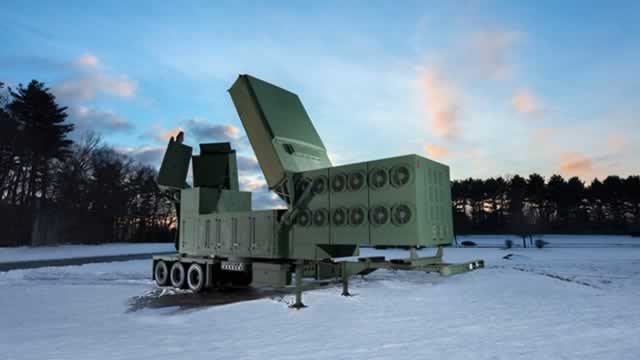
Can RTX's GTF Aftermarket Expansion Boost Its Growth Outlook?
RTX's GTF fleet creates a growing aftermarket opportunity as Pratt & Whitney expands its global support network and advances engine capabilities.

RTX Corporation (RTX) is Attracting Investor Attention: Here is What You Should Know
RTX (RTX) has been one of the stocks most watched by Zacks.com users lately. So, it is worth exploring what lies ahead for the stock.
Can Chinook Modernization Strengthen RTX's Defense Growth?
RTX's $472M Chinook contract supports avionics upgrades, fleet readiness and Army modernization, strengthening its defense backlog and growth prospects.

EMBJ or RTX: Which Is the Better Value Stock Right Now?
Investors with an interest in Aerospace - Defense stocks have likely encountered both Embraer (EMBJ) and RTX (RTX). But which of these two companies is the best option for those looking for undervalued stocks?
Wall Street Bulls Look Optimistic About RTX (RTX): Should You Buy?
The recommendations of Wall Street analysts are often relied on by investors when deciding whether to buy, sell, or hold a stock. Media reports about these brokerage-firm-employed (or sell-side) analysts changing their ratings often affect a stock's price.

RTX Outperforms Industry in the Past 6 Months: How to Play the Stock?
RTX has outperformed its industry as defense demand, rising earnings estimates and solid liquidity support growth, though its premium valuation may cap upside.

Here's Why RTX (RTX) Fell More Than Broader Market
In the most recent trading session, RTX (RTX) closed at $207.73, indicating a -1.88% shift from the previous trading day.

Are Aerospace Stocks Lagging RTX Corporation (RTX) This Year?
Here is how RTX (RTX) and Rolls-Royce Holdings PLC (RYCEY) have performed compared to their sector so far this year.




