



Target Corporation (TGT)











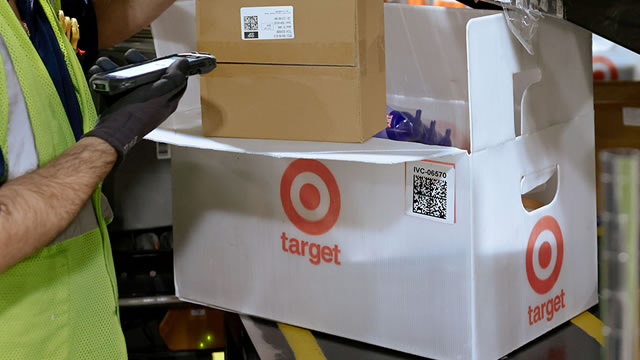
Should You Buy, Hold or Sell Target Stock at its Current Valuation?
Target Corporation TGT has been drawing investor attention as its improving business performance and strategic growth initiatives strengthen its long-term prospects. The retailer's focus on merchandising innovation, expanding digital capabilities and enhancing the customer shopping experience has supported its growth momentum.

Target (TGT) is a Top-Ranked Value Stock: Should You Buy?
Wondering how to pick strong, market-beating stocks for your investment portfolio? Look no further than the Zacks Style Scores.

Unity Software Sinks 10% Despite Wedbush Target Hike on Vector Ad Platform; AppLovin Falls 3%, Trade Desk Slips
Unity Software (NYSE:U | U Price Prediction) stock is trading at $42.13, down 10% this afternoon. Wedbush raised its price target on Unity shares and described the company's Vector advertising platform as gaining traction.
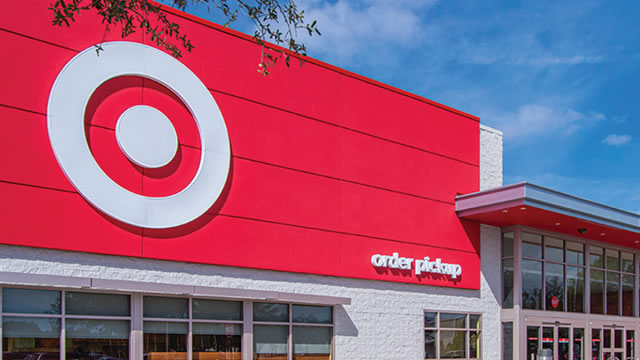
Target's Agentic Commerce Push Opens New Digital Growth Avenues
Target's AI shopping partnerships and growing digital traffic open new growth avenues, while strong digital sales and same-day delivery gains bolster its reach.
Target (TGT) Registers a Bigger Fall Than the Market: Important Facts to Note
Target (TGT) concluded the recent trading session at $151.99, signifying a -1.06% move from its prior day's close.

Take-Two Interactive Slides 5% as Wells Fargo Trims Estimates Behind $300 Target; Roblox Holds Flat, GameStop Barely Budges
Take-Two Interactive Software (NASDAQ:TTWO | TTWO Price Prediction) stock is at $197.72, down 5% midday and off 23% year to date.

Social Media Stocks Rally as Truist Sets $1,000 Street-High Meta Target on Muse Adoption: Meta and Snap Climb 4%, Reddit Ticks Up
Meta Platforms (NASDAQ:META | META Price Prediction) stock is at $770.07, up 4% in morning trading. That gain follows a Street-high price target that put fresh weight behind the company's machine-learning advertising push.
Can Target's Non-Merchandise Growth Become a Bigger Earnings Driver?
Target Corporation TGT is witnessing strong momentum in its non-merchandise businesses, which are emerging as important contributors to revenue growth and profitability. The company's advertising platform, Roundel, Target+ marketplace and Target Circle 360 membership program are expanding rapidly, creating opportunities to generate higher-margin revenues beyond traditional merchandise sales.
Investors Heavily Search Target Corporation (TGT): Here is What You Need to Know
Target (TGT) has been one of the stocks most watched by Zacks.com users lately. So, it is worth exploring what lies ahead for the stock.

Meta's Muse Is Getting Blocked at the Door. The Target Still Says $900+
Amazon just slammed the door on Meta's Muse agent, yet Wall Street is not flinching. Here is why one major bank sees the block as a footnote to a much bigger story unfolding inside Meta's ad engine.

Zacks Industry Outlook Ross Stores, Target, Dollar General and Dollar Tree
Ross Stores, Target, Dollar General and Dollar Tree have been highlighted in this Industry Outlook article.

Cisco Could Be Entering a New Growth Phase. Here's My Price Target.
Cisco just posted its fifth straight earnings beat while AI infrastructure orders piled up, but the real question is whether the valuation still leaves room to run or whether this rally has already priced in the upside.




