




Summary
USO Chart

The Oil Fund Beating USO by Harvesting Roll Yield Faces Its Biggest Test Yet
DBO's roll-yield strategy turned crude's backwardation into a triple-digit gain this year, but the EIA sees WTI dropping more than $30 by spring and no futures trick can outrun a slide that big.

Why Oil Bears May Make a Stand as Prices Approach Highs
Oil prices have surged thus far in 2026 - however, the technical chart and historical seasonality point to a market that could stall into year-end.
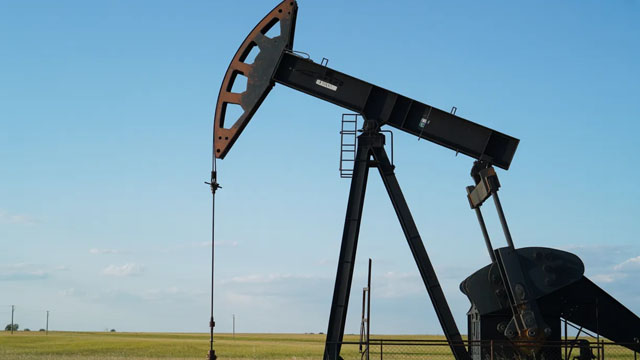
Energy ETF (USO) Hits New 52-Week High
United States Oil ETF USO is probably on the radar for investors seeking momentum. The fund just hit a 52-week high and has surged 142.96% from its 52-week low price of $65.99 per share.
United States Oil Fund, LP Investors
| Name | Quantity | Cost | Value | Profit ($) | Gain (%) |
|---|---|---|---|---|---|
 Curtis Ellergodt Rothschild Investment LLC | 37 | $2,529.95 | $5,681.72 | $3,151.77 | 124.58% |
| BZ Brandon Zatopek Commonwealth Equity Services LLC | 12,664 | $1.35M | $1.94M | $596,729.84 | 44.27% |
| JD Jim Dushek HARBOUR INVESTMENTS Inc. | 1,497 | $130,003.65 | $229,879.32 | $99,875.67 | 76.83% |
| DH Daniel Hanuka MIRAE ASSET SECURITIES USAA) Inc. | 100,287 | $11.71M | $15.4M | $3.69M | 31.47% |
| NA Nizar Araji National Bank Of Canada /FI/ | 193 | $14,581.15 | $30,360.83 | $15,779.68 | 108.22% |
United States Oil Fund, LP (USO) FAQ
What is the stock price today?
On which exchange is it traded?
What is its stock symbol?
Does it pay dividends? What is the current yield?
What is its market cap?
Has United States Oil Fund, LP ever had a stock split?
United States Oil Fund, LP Profile
| ARCA Exchange | US Country |
Overview
USO, which stands for United States Oil Fund, is an investment fund that aims to provide investors with exposure to the daily movement of the price of light, sweet crude oil. The fund achieves this mainly through investments in futures contracts on crude oil, diesel-heating oil, gasoline, natural gas, and other petroleum products. By focusing on these commodities, USO offers an opportunity for investors to speculate on the future prices of these resources or to hedge against potential price movements, thereby playing a critical role in the commodities investment landscape. USO's investment strategy caters to both individual and institutional investors looking for exposure to the energy sector without the complexity of directly trading futures contracts or dealing with physical commodities.
Products and Services
- Futures Contracts for Light, Sweet Crude Oil:
These are agreements to buy or sell light, sweet (low sulfur content) crude oil at a set price on a specific date. This type of crude oil is preferred for refining a larger portion of gasoline, making these futures contracts popular among investors.
- Futures Contracts for Other Types of Crude Oil:
Includes contracts for various grades and types of crude oil, each with its unique characteristics and uses. This diversification allows investors to gain broad exposure to the oil market.
- Futures Contracts for Diesel-Heating Oil:
These contracts speculate on the future prices of diesel and heating oil, which are essential fuels for transportation and heating respectively. The price of these fuels can be influenced by different factors, including crude oil prices and seasonal demand.
- Futures Contracts for Gasoline:
Similar to other futures contracts, these agreements aim to hedge or speculate on the price of gasoline. This is particularly relevant for investors interested in the retail side of the petroleum market and its seasonal fluctuations.
- Futures Contracts for Natural Gas:
These agreements offer exposure to the price movements of natural gas, a critical component in power generation and heating. Natural gas prices can be highly volatile, influenced by factors such as weather conditions and shifts in energy policy.
- Investments in Other Petroleum-Based Fuels:
Beyond the specific futures contracts, USO may also invest in other petroleum-based fuels, expanding its coverage of the energy sector. This could include biofuels or other emerging energy commodities, providing a broader spectrum of investment opportunities.
Contact Information




