



Applied Materials Inc. (AMAT)








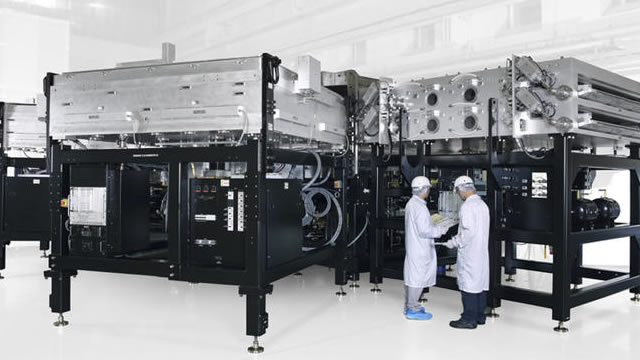
Applied Materials to lay off 4% of workforce to simplify operations
Applied Materials will cut about 4% of its workforce, or roughly 1,400 jobs, to streamline operations, the chip equipment maker said on Thursday as tighter U.S. export controls on semiconductors weigh on its business.
Applied Materials: The Valuation Story Is Running Ahead Of Evidence
Applied Materials faces high valuations despite guidance cuts and China-related headwinds, making it a Hold at best. AMAT's transition to higher-margin, recurring services revenue is progressing slowly, with significant gaps to fill before a valuation re-rating is justified. AI and packaging growth narratives are promising but remain intangible and unquantifiable in the near term, limiting upside potential.
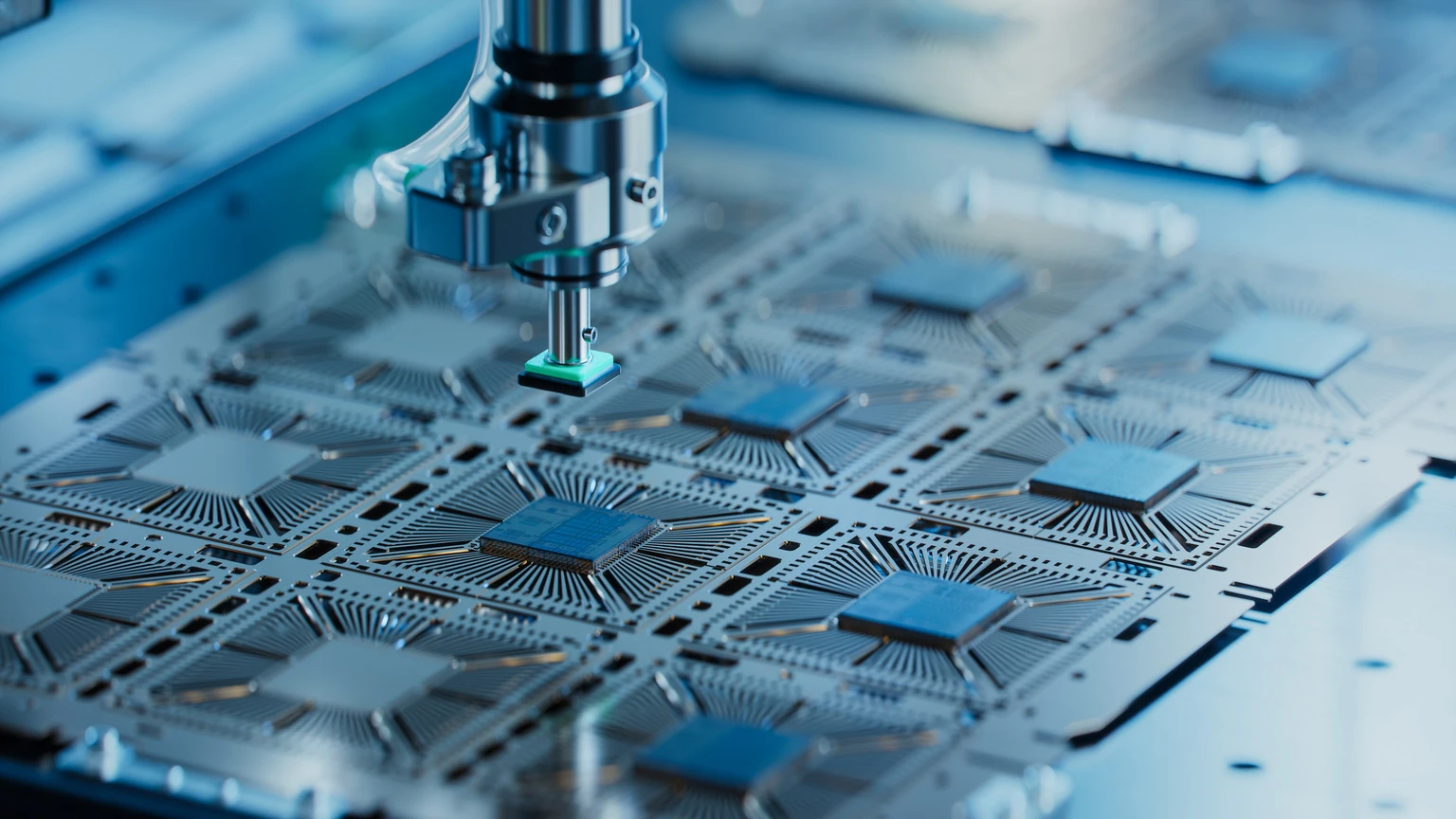
Applied Materials Vs Lam Research: Battle Of Semicon Equipment Leaders
Applied Materials and Lam Research are top players in semiconductor deposition and etch equipment, with AMAT leading in deposition and LRCX in etch. AMAT holds a broader product portfolio and stronger overall market position in combined deposition and etch, while LRCX benefits from early mover advantage in etch. Both companies face significant China concentration risks due to geopolitical tensions and growing domestic competition from Chinese equipment makers.
Will AMAT's New AI-Chip Manufacturing Systems Bring Traction?
Applied Materials' new AI-focused chipmaking systems aim to boost performance and efficiency, strengthening its edge in next-generation semiconductor manufacturing.

AMAT's Logic & DRAM Offerings Gain Traction: How Long Will it Sustain?
Applied Materials sees momentum in Logic and DRAM as AI-driven demand, GAA transitions and HBM growth fuel its semiconductor leadership.

Tech Corner: AMAT's Place in China, A.I. Trade
Applied Materials (AMAT) rallied to 52-week highs in early October, but potential regulatory changes in China could be weighing on the semiconductor manufacturing equipment provider. George Tsilis dives into the company's fundamental and technical picture, providing an in-depth overview of Applied Materials' business and industry trends.

Applied Materials (AMAT) Outperforms Broader Market: What You Need to Know
Applied Materials (AMAT) concluded the recent trading session at $217.51, signifying a +2.81% move from its prior day's close.

Wall Street Breakfast Podcast: Lawmakers Urge Broader China Chip Curbs
U.S. lawmakers seek broader restrictions on chipmaking equipment sales to China, spotlighting AMAT, LRCX, and KLAC after a major increase in Chinese purchases. A bipartisan report reveals Chinese semiconductor firms spent $38 billion on advanced machinery, fueling domestic chip capacity and AI ambitions despite export controls.

Brokers Suggest Investing in Applied Materials (AMAT): Read This Before Placing a Bet
The recommendations of Wall Street analysts are often relied on by investors when deciding whether to buy, sell, or hold a stock. Media reports about these brokerage-firm-employed (or sell-side) analysts changing their ratings often affect a stock's price.
Applied Materials stock falls on sales warning from China export restrictions
Applied Materials Inc (NASDAQ:AMAT, ETR:AP2) shares slipped more than 3% in early trading on Friday after the maker of machinery used to manufacture semiconductors revealed in a regulatory filing that new US export restrictions to China would hurt its revenue. The company expects the decision will result in about $600 million of lost revenue in fiscal 2026, which runs through next October.

These chip stocks are falling in the face of a new China setback
Semiconductor stocks have been impacted this year by evolving U.S. rules governing the sale of chips to China. Applied Materials just called out a fresh set of challenges.

AMAT Trades 54% Above Its 52-Week Low: Time to Hold or Fold the Stock?
Applied Materials rides DRAM strength and R&D push, but China headwinds, weak memory demand and rivals weigh on its outlook.



