



Apple Inc. (AAPL)















Apple: Why Smart Money Holds At $271
Apple Inc. delivered a double-beat FQ1 2026 earnings, accelerating sales growth to 15.6% year-over-year. Professional and institutional investors maintain heavy exposure to AAPL, with super-investors average holding price of $271 very near the current market price. Under these prices, my projected 5-year total returns range between 30% and 71%, resulting in a well-balanced return/risk profile.
Apple Debuts Lower-Cost Version of iPhone 17
Apple has introduced what it calls a more durable and affordable iPhone 17. The iPhone 17e, which was announced Monday (March 2) and starts at $599, is a scaled-down cousin to the tech giant's iPhone 17.
Apple launches new iPhone and iPad Air as it gears up for a major AI push
The company is boosting the storage capacity of its devices, a move thought to be a prelude to expected Siri enhancements later this year.
Apple makes big bet with launch of $599 iPhone 17e, upgraded iPad Air
The move comes as memory chip prices climb amid a global shortage, suggesting Apple is willing to absorb some component cost pressure to make its lowest-priced model more compelling.
Here's Why Apple (AAPL) is a Strong Momentum Stock
The Zacks Style Scores offers investors a way to easily find top-rated stocks based on their investing style. Here's why you should take advantage.
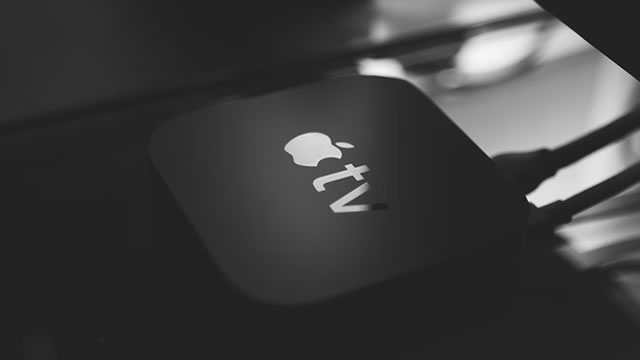
Apple launches iPhone 17e with prices starting at $599
Apple on Monday launched iPhone 17e, its more affordable smartphone model that starts at a price of $599 with 256 gigabytes of storage, as it looks to defend its share in a fiercely competitive global handset market.
Apple Dubai Stores Closed Amid Ongoing Attacks From Iran
Apple has temporarily shut its corporate offices and five retail stores across the United Arab Emirates (U.A.E) following attacks from Iran across the region over the weekend.
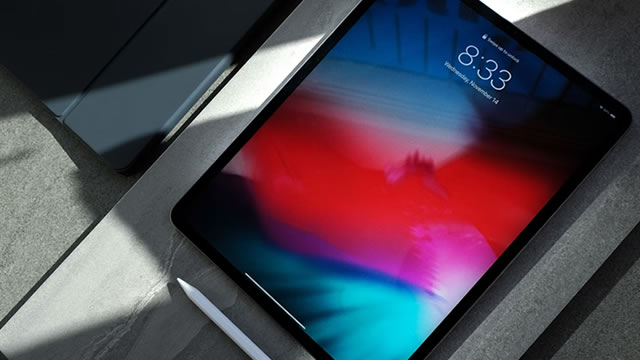
Apple Plans Week of Product Announcements
Apple is expected to debut several products this week amid anticipation for new artificial intelligence releases. The first of these announcements could come Monday (March 2), per a post on X by CEO Tim Cook last week.
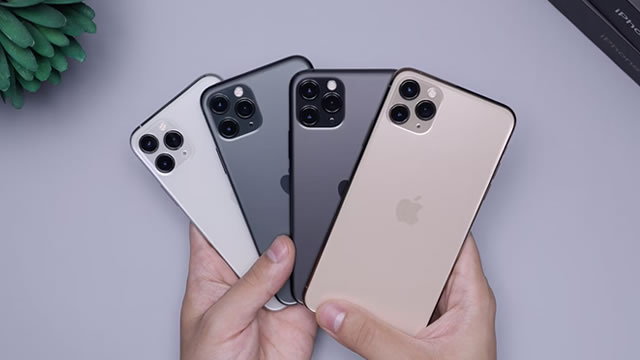
Apple's Chip Homecoming
Plus, Anthropic vs. the Pentagon, why iPhones should have privacy screens, Nvidia's new inference chip and Block's layoffs.

What to Expect in Markets This Week: Investors Watching Developments in Iran, Awaiting Jobs Report, Other Economic Data, Earnings Reports
News over the weekend brought a fresh jolt of geopolitical uncertainty for investors to digest as the first trading week of March kicks off.
Anthropic's Claude hits No. 2 on Apple's top free apps list after Pentagon rejection
Anthropic's Claude app has gained popularity in recent weeks, as the company's battle after the use of its artificial intelligence models by the U.S. Department of Defense made headlines. Claude has reached the No.
Smartphone Market Facing 'Crisis Like No Other': IDC's Popal
New research from IDC forecasts that the global smartphone market will shrink 13% due to the crunch in memory chip supplies. Nabila Popal, senior research director at IDC, joins Caroline Hyde on “Bloomberg Tech.




