



Stock Market Trading & Investing Blog
Loading...
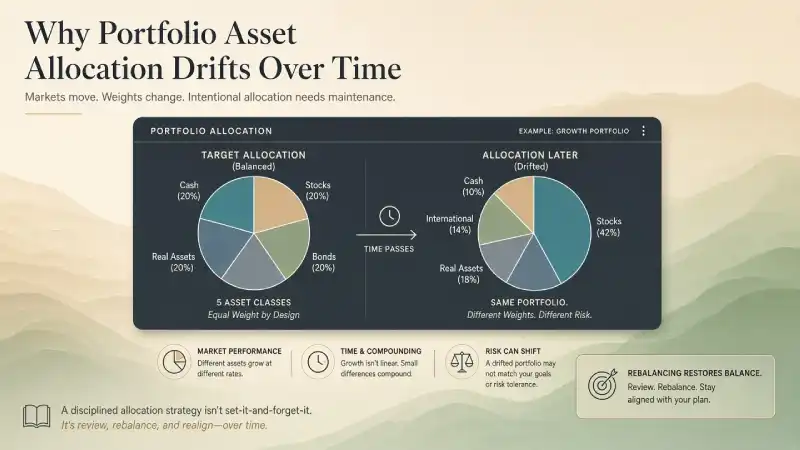
Why Allocation Drifts Over Time
When you set up your investment portfolio, you likely spent time deciding how much to allocate to stocks, bonds, cash, and perhaps other assets. That mix—your asset allocation—is the foundation of your investment strategy. But if you check your allocation chart a year or two later, you’ll probably notice your carefully chosen percentages have shifted. This drift isn’t a sign of neglect or a personal mistake. It’s a natural result of how markets behave over time. What Is Allocation Drift? Allocation drift refers to the gradual shift in your portfolio’s asset mix as different investments grow at different rates. For example, if stocks outperform bonds, your stock allocation will increase, even if you haven’t bought or sold anything. Over months or years, these small changes can add up, leaving your portfolio looking very different from your
What Happens to Your Portfolio in a Recession
Recessions are an inevitable part of the economic cycle, but few investors feel truly prepared when one begins. The headlines turn grim, markets lurch, and portfolios often take a hit. Understanding what actually happens to your portfolio in a recession—beyond the initial panic—can help you make smarter decisions, minimize mistakes, and even spot opportunities amid the volatility. How Recessions Affect Portfolio Value During a recession, economic activity contracts. Unemployment rises, consumer spending slows, and business profits typically decline. Stock markets, which anticipate and react to these shifts, often fall sharply. This means most portfolios see a drop in value, especially if they are heavily weighted toward equities. The degree of impact depends on your portfolio’s asset allocation. Stocks tend to decline the most, while bond

Marketlog vs Personal Capital: Which Fits Better?
For investors who want to track their portfolio performance, compare returns, and make data-driven decisions, two names consistently stand out: Marketlog and Personal Capital (now known as Empower). But which platform actually gives investors the edge? This comparison breaks down the strengths and trade-offs of each, so you can decide which tool fits your investing style. What Do Marketlog and Personal Capital Actually Do? Both Marketlog and Personal Capital are designed to help you track your investments, analyze performance, and understand your financial picture. However, their approaches—and the investors they serve best—are very different. Marketlog: A specialized portfolio tracking and performance analysis tool, built for investors who want accuracy, transparency, and deep insight into their returns. Personal Capital: A holistic pers

How to Compare Your Portfolio to a Benchmark Properly
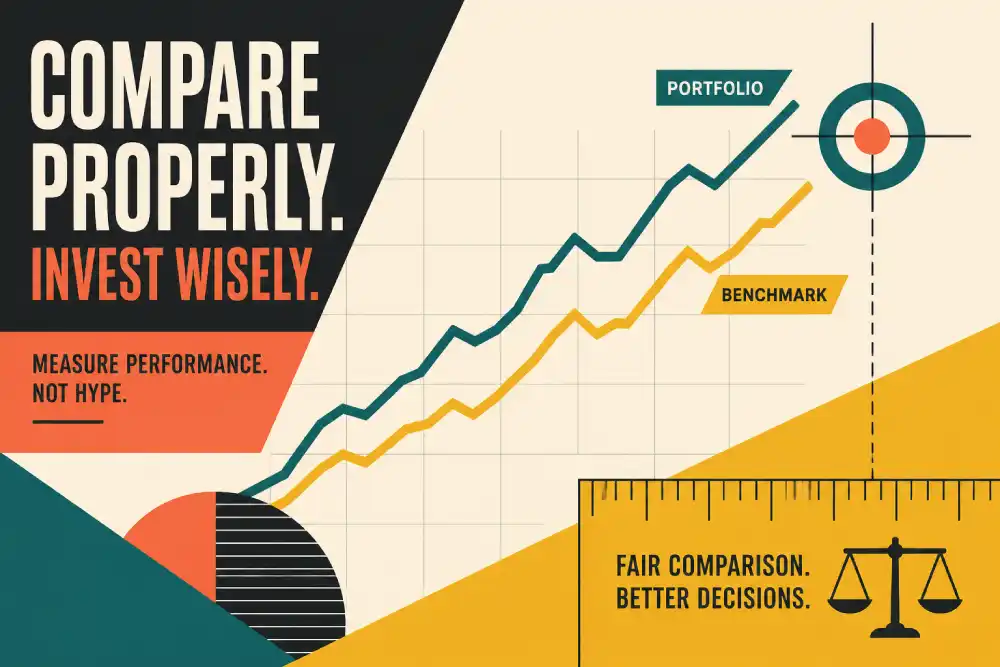
Comparing your investment portfolio to a benchmark is one of the most important steps in evaluating your performance as an investor. But it’s also one of the most commonly misunderstood. Done incorrectly, it can lead to false confidence or unnecessary anxiety. Done properly, it offers valuable insight into how your decisions stack up against the broader market and whether your strategy is truly adding value. Why Compare to a Benchmark? A benchmark is a reference point—often a market index like the S&P 500 or a blended index that matches your portfolio’s allocation. Comparing your portfolio to a benchmark helps you answer a fundamental question: Did your investments perform better or worse than simply buying the market? This comparison isn’t just about bragging rights. It’s about understanding whether your investment choices, risk level, a
What Sharper Tracking Does to Investor Confidence
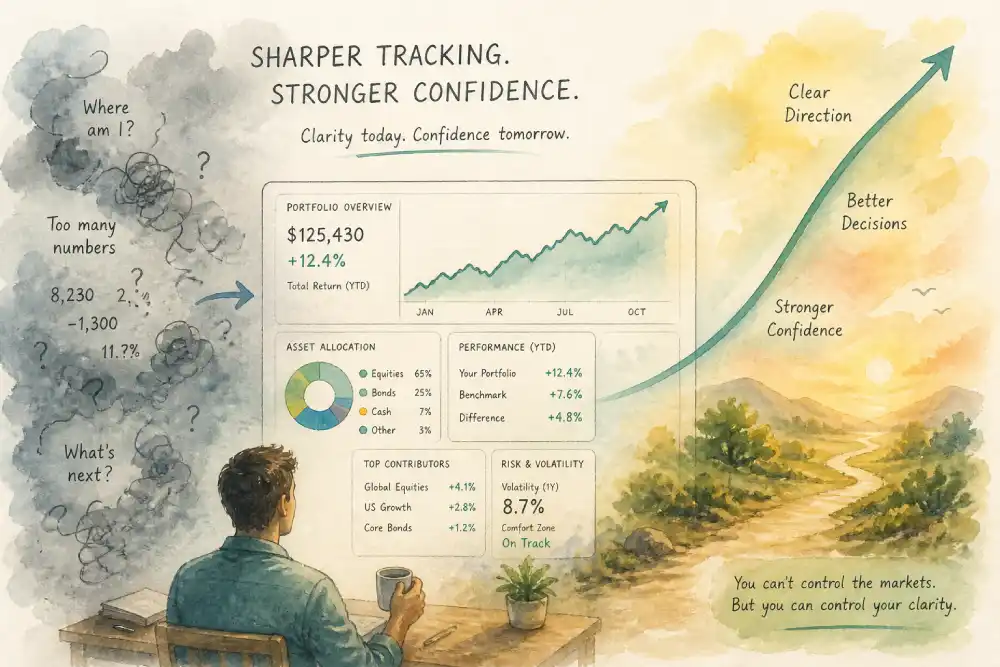
Sharper portfolio tracking tools have changed how investors see their own performance. But what does that new clarity do to investor confidence—does it build it, or break it? The Confidence Illusion: Why We Feel Smarter Than We Are For decades, most investors relied on scattered spreadsheets or simple brokerage statements to gauge their progress. These methods often left major gaps in understanding, allowing optimism and selective memory to fill in the blanks. Behavioral finance research shows that when data is vague, people tend to overestimate their own abilities and returns. It's a phenomenon explored in detail in Why Investors Overestimate Their Returns. Sharper Tracking: A Double-Edged Sword Modern portfolio tracking apps promise to close those gaps. They aggregate accounts, use precise benchmarks, and break down returns into time-we
Portfolio Tracking for Busy Professionals
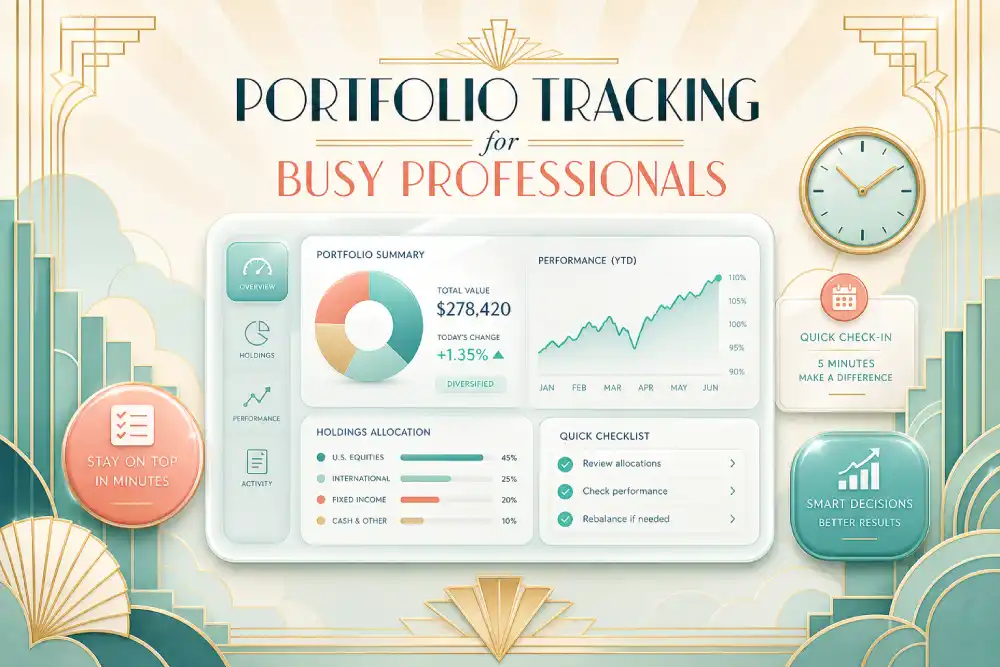
For busy professionals, investing is often a long-term commitment that has to fit around demanding schedules. Between meetings, family, and travel, finding time to monitor your investments can feel like a chore—or even a source of stress. Yet, keeping tabs on your portfolio is essential for making informed decisions and staying on track with your financial goals. Fortunately, modern portfolio tracking tools and smart habits make it possible to stay organized without constant attention. Why Portfolio Tracking Matters for Busy Investors Portfolio tracking isn’t just about knowing your current balance. It’s about understanding how your investments are performing, staying aligned with your risk tolerance, and catching issues before they become problems. For professionals with limited time, a streamlined approach to tracking can help you avoid
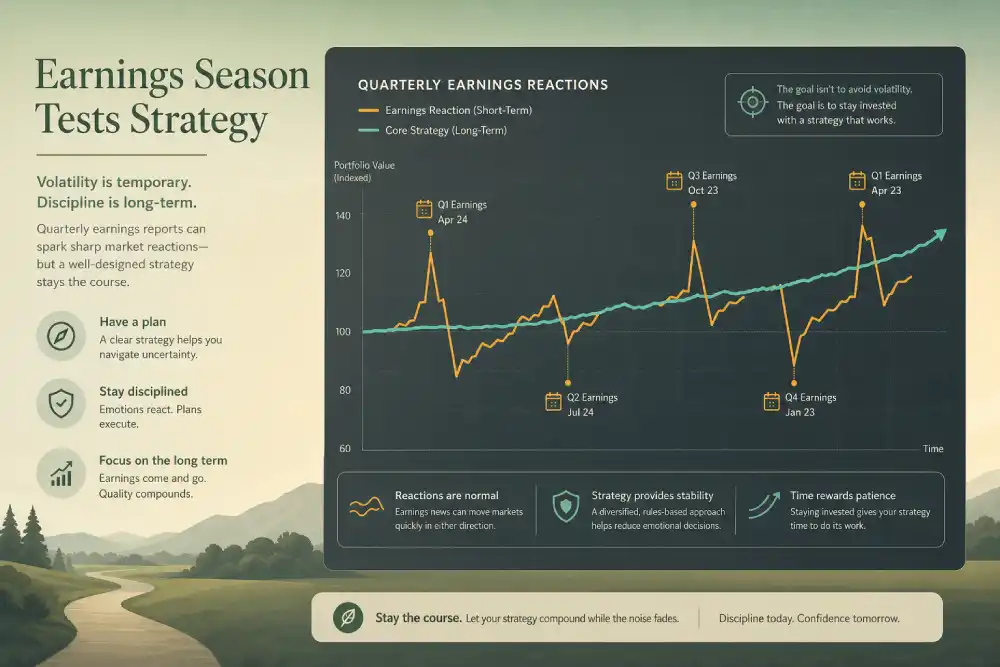
When Earnings Season Tests Your Strategy
Earnings season arrives like clockwork, but every time it does, the market seems to forget its own script. Even the most seasoned investors can feel their strategies tested as companies report results, guidance, and surprises—both pleasant and unpleasant. If you’ve ever watched your portfolio swing wildly after a single earnings announcement, you know how unsettling this period can be. But what does earnings season really reveal about your investment strategy, and how should you respond? Why Earnings Season Feels So Volatile During earnings season, companies disclose their quarterly financial results, and the market reacts—sometimes rationally, often emotionally. A company might beat expectations and still see its stock price drop; another might miss estimates yet rally on optimistic guidance. This unpredictability can make even the most
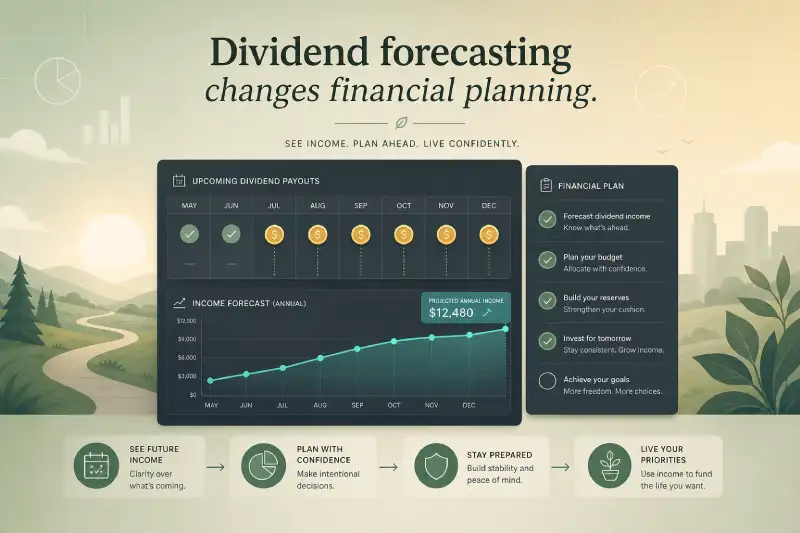
How Dividend Forecasting Changes Planning
How Dividend Forecasting Changes Planning Dividend investing has long been a favorite strategy for those seeking reliable passive income and a sense of financial stability. But while the allure of regular payouts is obvious, the real power in dividend investing comes from understanding—and forecasting—those future payments. Dividend forecasting is more than just estimating next year’s checks; it fundamentally changes how you approach portfolio management and financial planning. Here’s how. Why Forecast Dividends at All? Most investors look at historical yields or last year’s payouts when choosing dividend stocks. But this backward-looking approach can leave you unprepared for changes in company policy, market conditions, or broader economic shifts. Forecasting dividends means projecting future income based on company fundamentals, payout
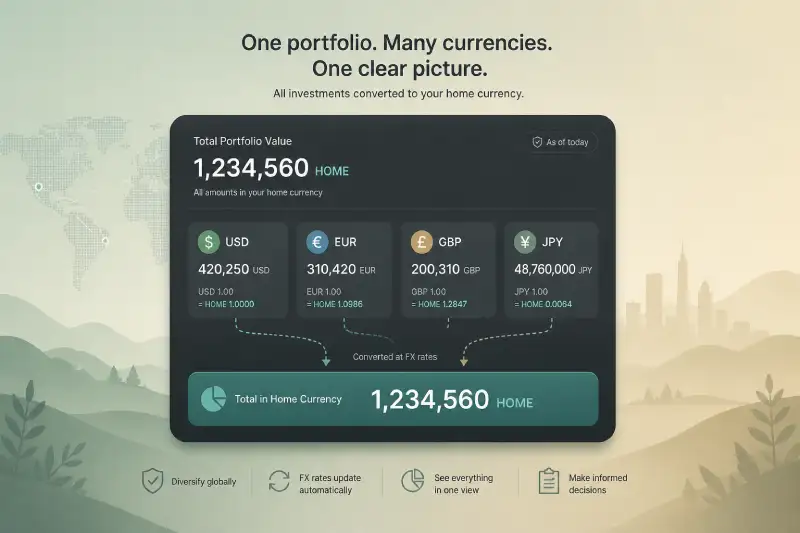
Understanding Multi-Currency Portfolios Without Stress
Managing a portfolio with investments across multiple currencies can feel overwhelming. Exchange rates fluctuate, reporting can be inconsistent, and performance tracking often becomes a headache. But with the right approach, you can confidently handle a multi-currency portfolio without unnecessary stress. Here’s how to simplify the process, understand your true returns, and make smarter decisions—no matter how global your investments become. Why Multi-Currency Portfolios Matter As markets become more interconnected, it’s common for investors to hold assets in different countries and currencies. From U.S. stocks and European ETFs to Asian bonds, diversification often means embracing multiple currencies. This international reach can offer new opportunities and risk mitigation, but it also introduces new layers of complexity in asset allocat
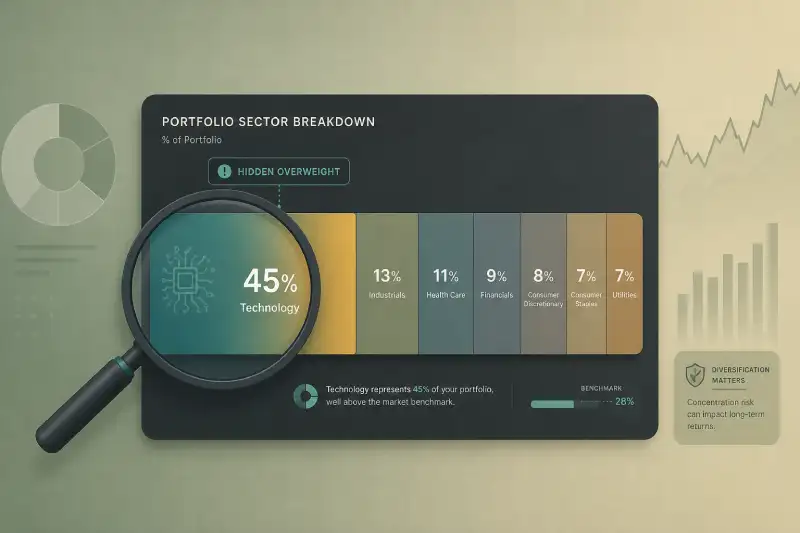
The Sector You Didn’t Realize Dominates Your Portfolio
When you think about your investment portfolio, you might picture a carefully balanced mix of stocks, bonds, and maybe a few alternative assets. But beneath the surface, there’s a good chance one sector is quietly dominating your holdings—often without you even realizing it. This silent overweight can shape your returns, increase your risk, and leave you unexpectedly vulnerable. Let’s uncover why this happens, how to spot it, and what you can do to regain control. Why Sector Imbalances Happen—Even in “Diversified” Portfolios It’s easy to assume that holding a handful of mutual funds or ETFs guarantees diversification. Yet, many funds—especially those tracking broad market indexes—are themselves heavily concentrated in certain sectors. For example, in recent years, technology stocks have made up more than a quarter of the S&P 500’s total v
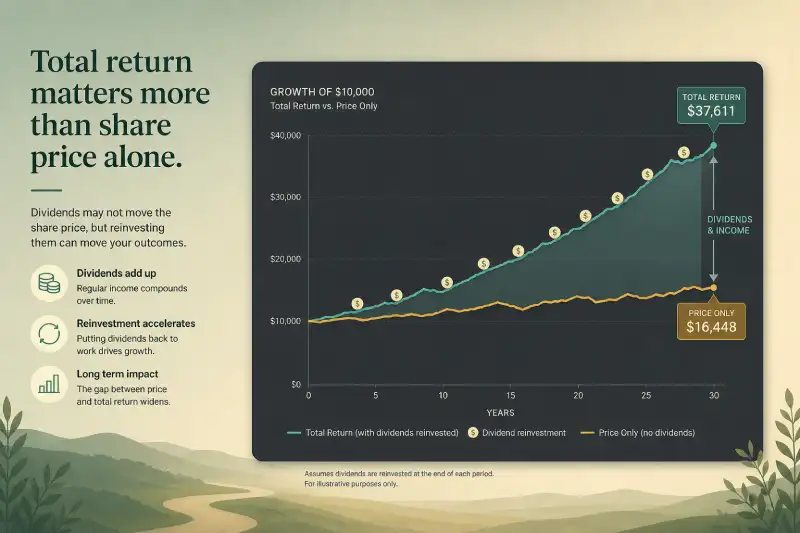
Why Total Return Matters More Than Price
When investors check on their portfolios, the first thing they often notice is the current price of their holdings. Did that stock go up or down today? Has the value increased since last month? While price changes are easy to track and can feel like the most important measure of performance, they only tell part of the story. To truly understand how your investments are working for you, it's essential to focus on total return—not just price. What Is Total Return? Total return is a comprehensive measure of your investment’s performance. It includes not only price appreciation but also any income generated, such as dividends or interest payments. For example, if you own a stock that pays dividends, your total return reflects both the rise (or fall) in share price and the cash you’ve received along the way. This distinction is crucial, especi
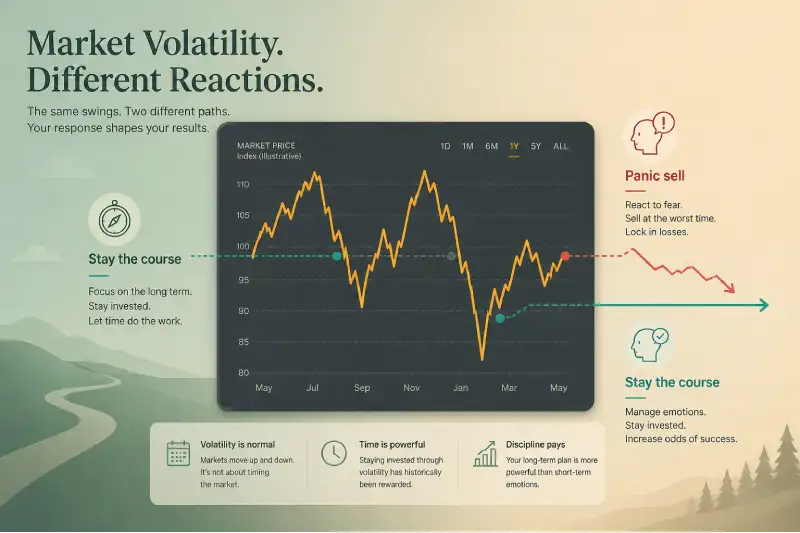
How Market Volatility Changes Investor Behavior
How Market Volatility Changes Investor Behavior Market volatility can be unsettling, even for seasoned investors. Sudden swings in prices, headlines about economic uncertainty, and unpredictable events all contribute to an environment where emotions often run high. But what exactly happens to investor behavior when markets become turbulent—and why does it matter for your long-term investing success? Understanding Market Volatility Volatility refers to the degree of variation in asset prices over time. While some level of volatility is normal and healthy for markets, periods of heightened volatility can trigger significant behavioral shifts among investors. These shifts are deeply rooted in human psychology and can impact decision-making in ways that are not always rational or beneficial. The Emotional Roller Coaster When markets fluctuate
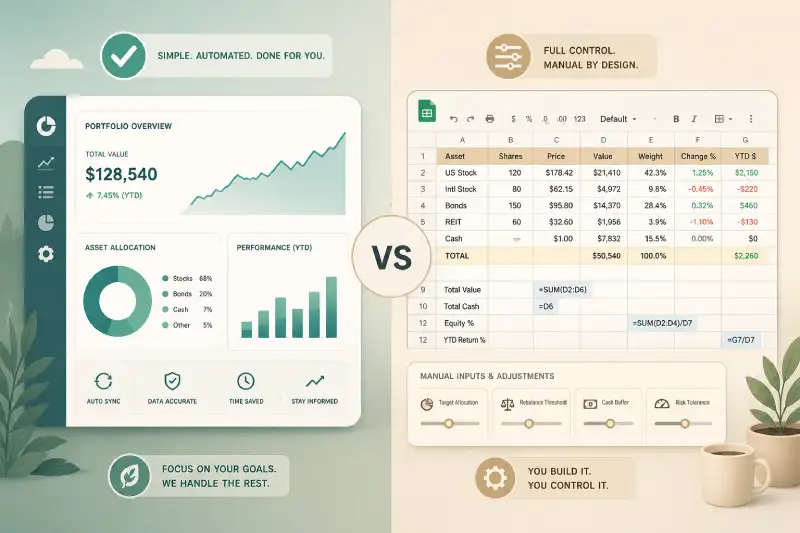
Marketlog vs Google Sheets
When it comes to tracking your investment portfolio, two options consistently stand out: purpose-built tools like Marketlog and the ever-flexible Google Sheets. Both approaches have passionate supporters. One side argues for simplicity and automation, the other for total control and customization. But which is right for you? Let’s break down the real trade-offs between Marketlog and Google Sheets, and help you decide which approach fits your investing style. Simplicity vs Control: The Core Trade-Off The choice between Marketlog and Google Sheets is not just about features—it’s about philosophy. Marketlog is designed to make portfolio tracking effortless and accurate, minimizing manual work and eliminating common errors. Google Sheets, meanwhile, offers a blank slate: you define the structure, formulas, and logic, tailoring everything to y
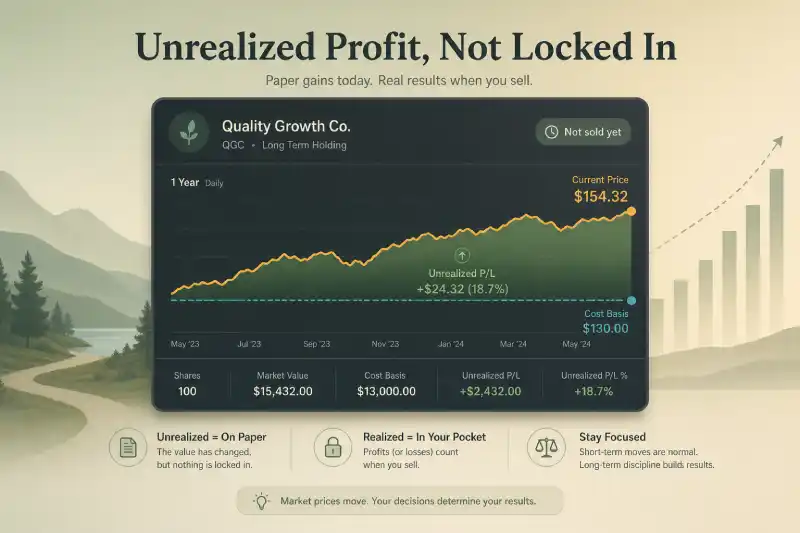
What “Unrealized P/L” Is Actually Telling You
If you track your investments online or through an app, you’ve probably seen the term “Unrealized P/L” (Profit/Loss) next to your stocks or funds. It’s a number that updates in real time, flashing green or red, and it can feel like a scorecard for your investing skills. But what is this number actually telling you—and what isn’t it telling you? What Is Unrealized P/L? Unrealized P/L, or “paper” profit/loss, reflects the difference between the current market value of your holdings and the price you originally paid for them. It’s called “unrealized” because you haven’t actually locked in the gain or loss—your position is still open. If you sold your shares right now, the unrealized P/L would become realized. For example, if you bought 10 shares of a stock at $50 each (total $500), and the current price is $60, your unrealized profit is $100
How to Spot Overexposure Before It Hurts
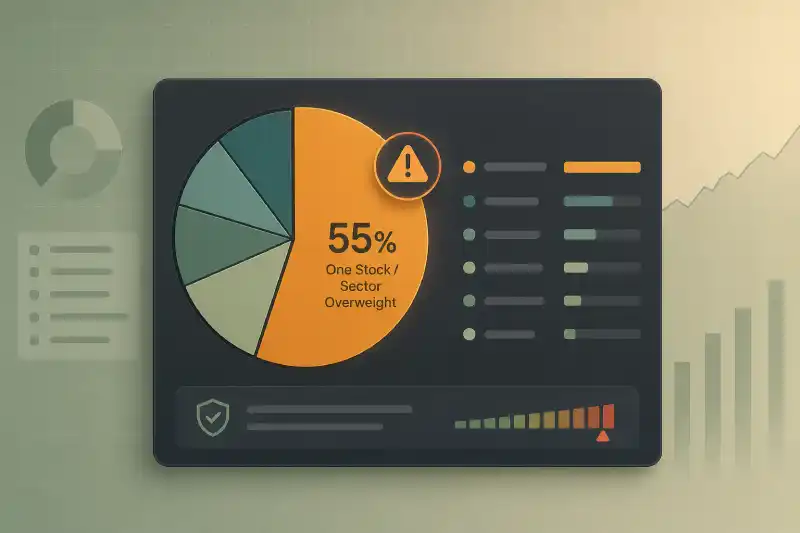
Overexposure is a silent risk. It creeps up when a single asset, sector, or region quietly grows to dominate your portfolio. By the time you notice, it may be too late—the damage from a sudden drop can be swift and severe. But with the right tools and awareness, you can spot overexposure before it turns into regret. What Is Overexposure? Overexposure occurs when too much of your portfolio’s value is concentrated in one place. This might be a single stock, a specific sector, a geographic region, or even an asset class like equities. It often happens unintentionally, as winners run and laggards shrink, subtly shifting your allocation over time. The result? Increased risk, less diversification, and a portfolio that’s more vulnerable to shocks. Why Overexposure Matters Concentration magnifies both gains and losses. While it’s tempting to let
What Beta Means for Your Portfolio
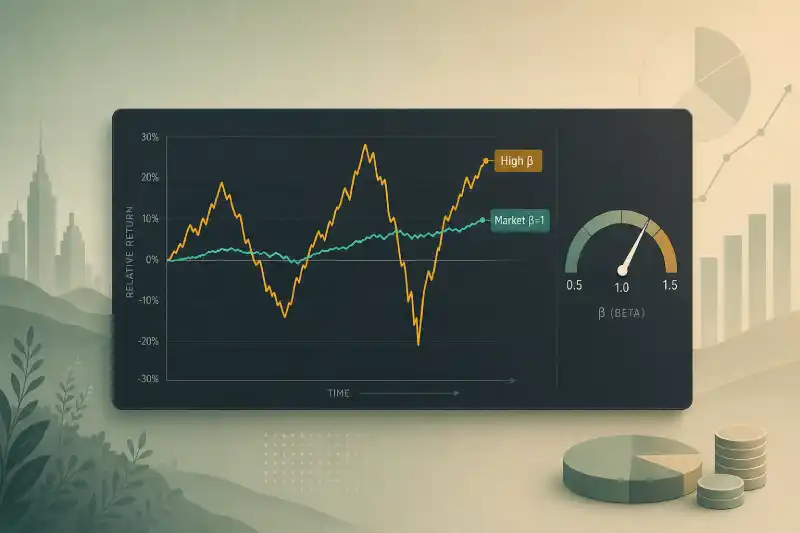
If you’ve ever read a stock research report or mutual fund fact sheet, you’ve likely seen the word “beta” pop up alongside other performance statistics. But what exactly does beta mean for your portfolio, and how should you use it when making investment decisions? Understanding beta is key to measuring risk, setting expectations, and designing a portfolio that matches your comfort with market ups and downs. What Is Beta? Beta is a measure of how much an investment’s price moves relative to the overall market. In most cases, the market is represented by a broad index like the S&P 500, which is assigned a beta of 1.0 by definition. An individual stock, ETF, or mutual fund’s beta tells you how volatile it is compared to the market: Beta = 1: Moves in line with the market. If the market rises 5%, your investment is expected to rise 5% as well
Dividend Growth vs High Yield: What You’re Really Choosing
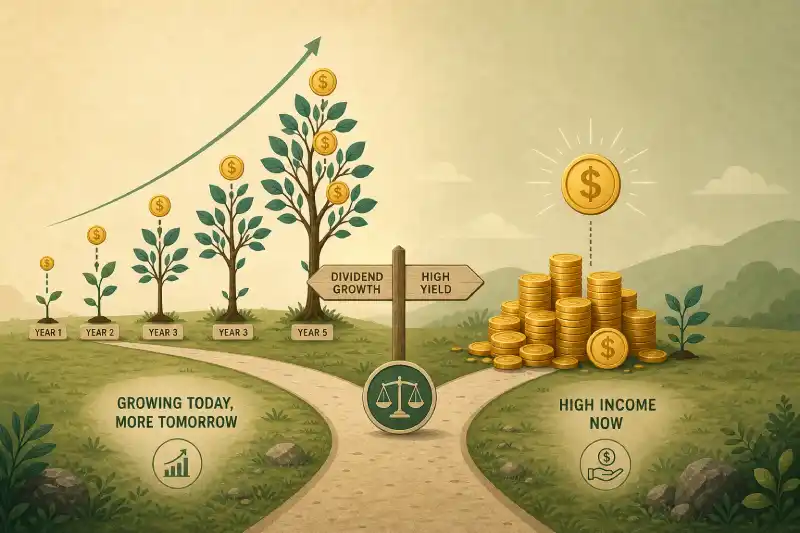
Dividend investing offers two enticing paths: chasing stocks with high yields or focusing on those with a steady record of dividend growth. On paper, both strategies promise passive income, but the reality is more nuanced. Understanding what you’re really choosing between dividend growth and high yield is essential for building a portfolio that aligns with your goals, risk tolerance, and time horizon. What Is Dividend Growth? Dividend growth investing centers on companies that consistently increase their dividends year after year. These are often established businesses with stable earnings and a commitment to rewarding shareholders. While their current yields may not be eye-catching, their ability to raise payouts—even modestly—compounds over time, enhancing your income and potentially your total returns. Think of dividend growth as plant
The Quiet Discipline of Rebalancing
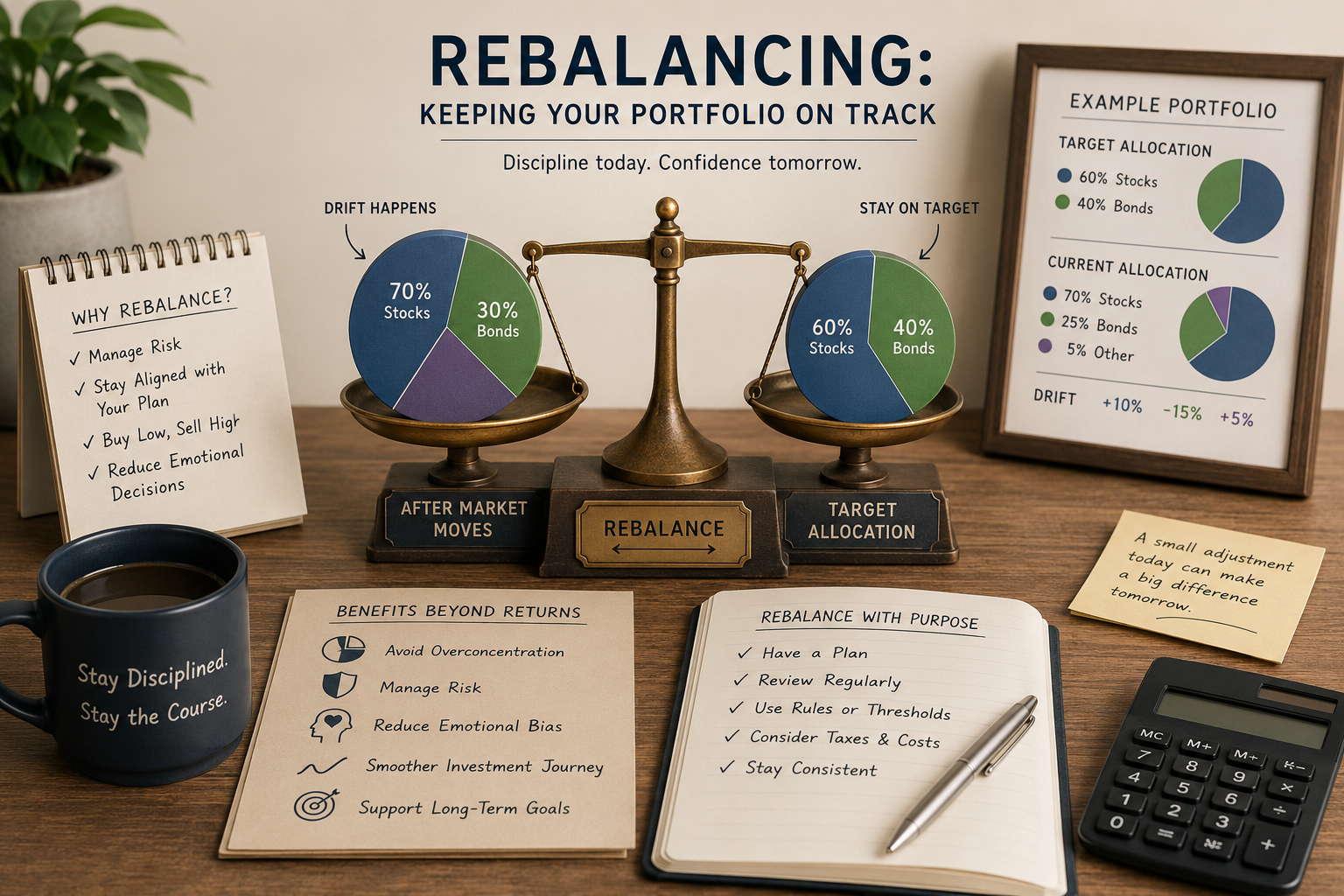
Rebalancing is rarely the most exciting topic in investing circles. It doesn’t generate headlines or spark debates like stock picking or market timing. Yet, for those committed to long-term investing success, rebalancing is one of the quiet disciplines that can make all the difference between a portfolio that survives and one that thrives. Understanding the Role of Rebalancing At its core, rebalancing is the process of realigning your portfolio’s asset allocation back to its original targets. Over time, as markets move, certain assets will outperform while others lag. Left unchecked, this drift can expose you to unintended risks and potentially undermine your investment goals. For example, a portfolio that started as 60% stocks and 40% bonds may morph into 70% stocks after a strong bull market—leaving you more exposed to equity risk than
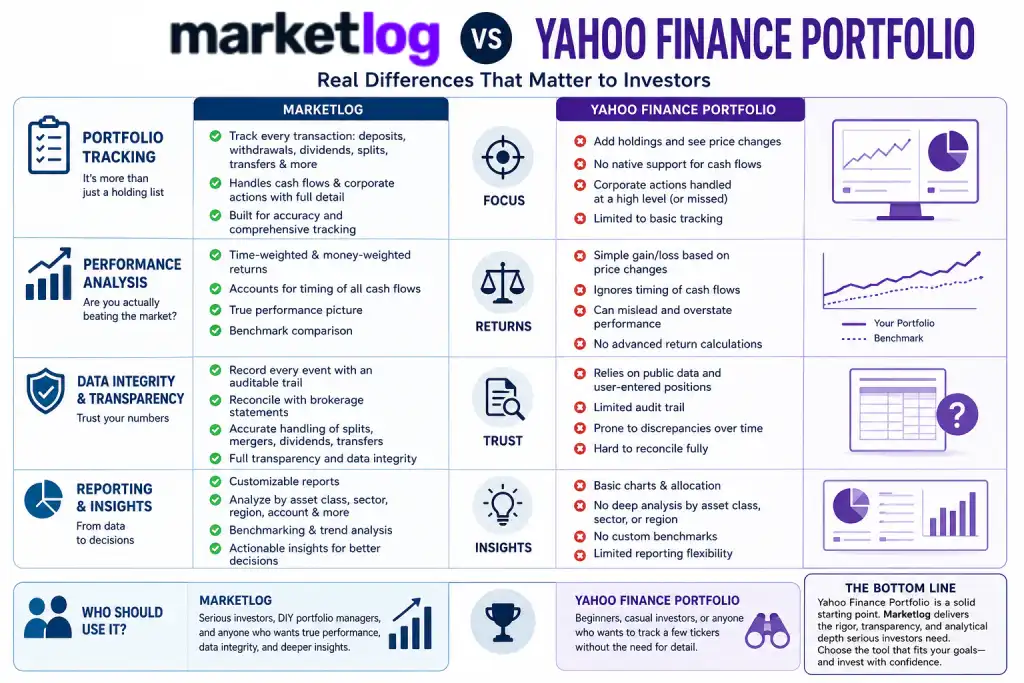
Marketlog vs Yahoo Finance Portfolio: Real Differences
Comparing Marketlog and Yahoo Finance Portfolio is more than a matter of interface preferences or brand loyalty. For investors who care about accurate portfolio tracking, meaningful performance analysis, and actionable insights, the differences run deep. Here’s a side-by-side look at what truly separates Marketlog from Yahoo Finance Portfolio—and why those differences matter when your money is on the line. Portfolio Tracking: Beyond Just Holding Lists Yahoo Finance Portfolio’s appeal lies in its simplicity. You can quickly add stocks, ETFs, or mutual funds, see current prices, and get a snapshot of your holdings. For casual tracking or a basic watchlist, this approach is fine. But for investors who want to track every deposit, withdrawal, dividend, split, or transfer, Yahoo’s tool falls short. It doesn’t natively handle cash flows or corp

What “Annualized Return” Actually Tells You
Annualized return is a fundamental metric in investing, yet its true significance is often misunderstood. For investors managing their portfolios or analyzing performance, grasping what annualized return represents and what it does not is crucial for making informed decisions. This article explores the concept of annualized return, clarifies common misconceptions, and explains how investors can use it effectively within portfolio management. Defining Annualized Return Annualized return, sometimes referred to as the compound annual growth rate (CAGR), represents the average yearly return an investment achieves over a specified period. This metric smooths out the effects of market volatility and irregular gains or losses, providing a single consistent rate that equates to the total growth if the investment had grown steadily year after year

NYSE, NASDAQ, and the World’s Biggest Exchanges Explained
The global financial landscape is anchored by several key stock exchanges, each playing a critical role in capital markets and investment opportunities. Among these, the New York Stock Exchange (NYSE) and the NASDAQ stand as two of the most influential in the United States, while other global exchanges contribute significantly to international trading and investment. Understanding these venues is essential for investors seeking to navigate the complexities of long-term investing and global portfolio management. The New York Stock Exchange (NYSE) The NYSE, often referred to as the “Big Board,” is the largest stock exchange in the world by market capitalization. Established in 1792, it has a long-standing reputation for hosting many of the largest and most established companies globally. This historic exchange combines a traditional physica

When Inflation Quietly Changes Your Allocation
Inflation is commonly referenced in economic discussions as a headline figure influencing the broader economy, but its nuanced effects on portfolio allocation often go unnoticed. Investors who fail to adjust their asset distribution in response to inflationary pressures may inadvertently experience shifts in their intended risk and return profile without making explicit changes. Recognizing how inflation silently alters allocation is crucial for maintaining a disciplined and effective investment strategy over extended periods. The Invisible Shift in Asset Allocation Portfolio allocation is fundamentally established based on an investor’s financial objectives, risk tolerance, and perspective on market conditions. While it is inherently a dynamic process, adjustments tend to occur primarily when market movements are conspicuous or when new

How to Know If a Stock Is Carrying or Hurting You
Determining whether a stock is contributing positively or negatively to an investment portfolio is a critical skill for any serious investor. This evaluation goes far beyond merely observing price appreciation or decline. An experienced investor recognizes that understanding a stock’s true impact requires a comprehensive approach, which includes performance analysis, risk management, and ensuring alignment with the overall portfolio goals and strategy. Understanding the Role of Individual Stocks in a Portfolio Every stock within a portfolio carries a certain weight, both in terms of allocation and its influence on overall returns. A well-performing stock can carry the portfolio forward by generating returns that enhance the total portfolio value. Conversely, a poorly performing stock can hurt the portfolio by dragging down aggregate perfo

The Habit That Makes Portfolio Tracking Powerful
Effective portfolio management hinges not only on the tools investors use but also on the habits they cultivate. Among these habits, consistent and disciplined portfolio tracking stands out as a cornerstone of successful long-term investing. This practice empowers investors to make informed decisions grounded in data, behavioral awareness, and clear financial goals. By integrating portfolio tracking as a habitual part of their investment routine, investors gain the ability to observe trends, manage risks, and respond strategically to changing market conditions. At its core, portfolio tracking is more than just monitoring numbers. It is about creating a routine that fosters vigilance without succumbing to impulsive reactions. Behavioral finance research emphasizes that emotional responses to market fluctuations often undermine investment s

How to Read Your Performance Graph Correctly
Performance graphs serve as indispensable tools for investors aiming to track and understand the progression of their investments over time. These visual representations allow investors to observe changes in portfolio value and returns, but interpreting them accurately requires more than a simple glance at moving lines or fluctuating bars. Experienced investors recognize that correctly reading performance graphs involves a thorough understanding of the underlying metrics, an awareness of external influences, and the ability to place the data within the context of one’s overall investment strategy. Understanding the Basics of Performance Graphs At their essence, performance graphs depict the change in value of an investment or a portfolio over a specified period. This change can be illustrated in absolute dollar amounts or as percentage ga

From Random Picks to Real Strategy
Investing without a clear plan often leads to inconsistent results. Many new investors begin their journey by selecting stocks on impulse, influenced by fleeting trends or hearsay rather than a well-considered strategy. Over time, experienced investors come to understand that a deliberate approach to portfolio management is essential for achieving long-term growth while controlling risk effectively. The transition from making random picks to adopting a structured investment strategy starts with grasping the fundamentals of portfolio construction and recognizing the importance of aligning investments with personal financial goals. An effective strategy takes into account crucial factors such as asset allocation, diversification, risk tolerance, and investment time horizon. This approach replaces guesswork and impulsive decisions with infor

What Drawdown Feels Like and What It Actually Means
Drawdown is a term every investor encounters but few fully grasp beyond the immediate emotion it evokes. It refers to the decline from a portfolio's peak value to its lowest point over a certain period. While the concept is straightforward, the experience of a drawdown often triggers anxiety and doubt, especially during volatile markets. Understanding what drawdown truly means for portfolio management and risk assessment is essential for any serious investor seeking to build resilience and achieve long-term financial goals. The Emotional Impact of Drawdowns Experiencing a drawdown can feel like a setback or even a failure. For many investors, watching account values fall below previous highs stirs worry about permanent losses and financial security. This emotional response is natural but can cloud judgment and lead to irrational decision-

How to Read Your Performance Graph Correctly
Performance graphs serve as indispensable tools for investors aiming to track and understand the progression of their investments over time. These visual representations allow investors to observe changes in portfolio value and returns, but interpreting them accurately requires more than a simple glance at moving lines or fluctuating bars. Experienced investors recognize that correctly reading performance graphs involves a thorough understanding of the underlying metrics, an awareness of external influences, and the ability to place the data within the context of one’s overall investment strategy. Understanding the Basics of Performance Graphs At their essence, performance graphs depict the change in value of an investment or a portfolio over a specified period. This change can be illustrated in absolute dollar amounts or as percentage ga

The First Time You Compare Yourself to the Market
For many investors, the moment they first compare their portfolio’s performance to the broader market marks a significant turning point in their investing journey. This initial comparison often brings clarity, humility, and a deeper understanding of what it truly means to manage investments effectively. It is not merely about measuring returns; it involves evaluating one’s investment strategy, risk tolerance, and expectations within a realistic and informed context. Why Benchmarking Matters Benchmarking a portfolio against a market index or a relevant sector benchmark is a fundamental practice in portfolio management. Investors frequently use indices such as the S&P 500, Dow Jones Industrial Average, or other broad market indicators as a yardstick to gauge how well their investments are performing relative to the overall market. Without t

Building a Portfolio You Can Sleep With
Constructing an investment portfolio that offers peace of mind requires more than just selecting assets with the highest potential returns. It demands a disciplined and thoughtful approach that encompasses effective risk management, strategic asset allocation, and adherence to long-term investing principles. Experienced investors recognize that a well-balanced portfolio is designed not only for growth but also to minimize volatility and safeguard capital during periods of market uncertainty. The Importance of Risk Management Risk management serves as the foundation of a portfolio that investors can hold comfortably without experiencing sleepless nights. This process involves identifying potential risks, measuring their impact, and implementing strategies to mitigate them effectively. One of the most essential risk management techniques is
Load More
Loading...

2026 © Marketlog. All Rights Reserved.



