



Apple Inc. (AAPL)













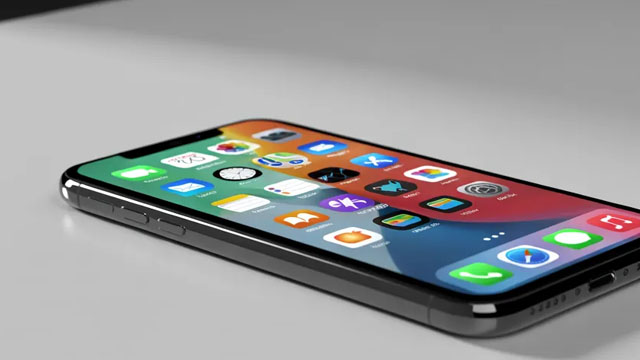
Analyst raises Apple stock price target ahead of foldable iPhone launch
Rosenblatt raised its Apple (NASDAQ: AAPL) stock price target from $300 to $303 on September 1, while maintaining a ‘Neutral' rating ahead of the likely foldable iPhone launch next week.
Apple's new CEO faces an early test
This post originally appeared in the Business Insider Today newsletter. You can sign up for Business Insider's daily newsletter here.
OpenAI Hits Back at Apple Lawsuit Claiming It Stole Trade Secrets
The ChatGPT-maker says many of the accusations boil down to poor offboarding procedures inside the iPhone maker.
New Apple CEO John Ternus's first big challenge: Leading when his old boss is still in the building
Tim Cook may be stepping down as Apple's CEO, but he's sticking around in an expanded board role

Apple enters John Ternus era as AI challenges and memory crunch intensify
Tuesday is John Ternus' first day at the helm of Apple, following Tim Cook's 15-year run as CEO. Ternus takes over as Apple confronts major challenges due to soaring memory costs and the company's precarious position in AI.
Cook hands Apple to Ternus: bigger and richer, but catching up in AI race
When Tim Cook took over as Apple's CEO, he did not try to fill the big shoes of its legendary founder and product visionary Steve Jobs. Instead, he took Jobs' advice: "Never ask what I would do, just do the right thing.
John Ternus Replaces Tim Cook as Apple CEO
Big technology and management changes are greeting John Ternus, whose long-serving predecessor, Tim Cook, will stay on as executive chair.

OpenAI says Apple has only itself to blame in trade-secret fight
OpenAI denied Apple's allegations of trade secret theft on Monday, saying the iPhone maker failed to show any confidential information was stolen by former employees.
Apple shares ‘shocking evidence' against former employee accused of stealing company data for OpenAI
In its lawsuit against OpenAI, Apple filed what it calls “shocking evidence” to bolster its allegations that former employees stole trade secrets for OpenAI's benefit. These new details emerged after the legal counsel for former Apple employee Chang Liu — who now works at OpenAI — handed over Liu's old Apple work laptop for investigation earlier this month.
Apple Veteran Phil Schiller Exits App Store Role
Apple veteran Phil Schiller has stepped down from overseeing the App Store and the company's product events, adding another leadership change just as John Ternus prepares to take over as CEO. Schiller, 66, will remain at Apple as an Apple Fellow and work on unspecified initiatives, Bloomberg reported Monday (Aug.
Monday's Final Takeaways: Mortgage Rates Surge, Tim Cook Steps Down as AAPL CEO
The housing market sees lasting headwinds as mortgage rates hit one-year highs. Marley Kayden discusses the broader implications it has for the sector, along with what Tim Cook stepping down as the CEO of Apple (AAPL) means for the iPhone developer.
Apple CEO Tim Cook gives nod to founder Steve Jobs in final memo
Apple's chief executive Tim Cook bid farewell to the tech giant on Monday, paying tribute to founder Steve Jobs and praising staff as "extraordinary" as he passed the baton to incoming CEO John Ternus.




