



AbbVie Inc. (ABBV)









ABBV Inks Drug Pricing Deal With Trump, Joins PD-1xVEGF Bandwagon
AbbVie strikes a Trump drug-pricing pact and a $5.6B cancer licensing deal, cutting U.S. prices while expanding its oncology pipeline.
Why AbbVie (ABBV) is a Top Value Stock for the Long-Term
Wondering how to pick strong, market-beating stocks for your investment portfolio? Look no further than the Zacks Style Scores.

Investors Heavily Search AbbVie Inc. (ABBV): Here is What You Need to Know
AbbVie (ABBV) has been one of the stocks most watched by Zacks.com users lately. So, it is worth exploring what lies ahead for the stock.
Will AbbVie's Oncology Segment Support Top-line Growth in Q4 Earnings?
ABBV's oncology unit is expected to post nearly 4% Q4 sales growth, as newer drugs offset weakness from declining Imbruvica demand.
AbbVie Strikes $100 Billion Investment Deal With Trump, Will Lower Medicaid Prices
As part of the three-year deal, the Trump administration exempted AbbVie from tariffs and future pricing mandates, the company said.
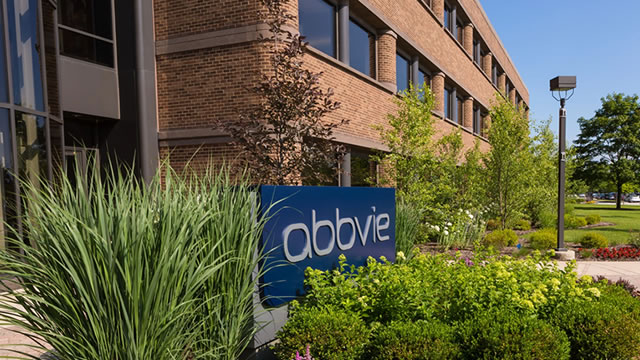
Abbvie, US reach agreement to cut drug prices
Abbvie reached a three-year agreement with U.S. President Donald Trump's administration to provide low prices in Medicaid through TrumpRx, and pledged $100 billion over the next decade for research and development in the U.S., the company said on Monday.

AbbVie Down 3% in a Month: Why Holding the Stock Still Makes Sense
ABBV stock falls 3% in a month amid takeover rumor denials, but Skyrizi and Rinvoq momentum and a deep pipeline support staying invested.

AbbVie, RemeGen partner on experimental solid tumor treatment
AbbVie said on Monday it would partner with RemeGen to develop an experimental treatment for solid tumors in a deal worth up to $4.95 billion, including milestones.

3 No-Brainer Dividend Stocks to Buy Right Now
AbbVie is a Dividend King in growth mode. Enbridge offers an attractive dividend plus both safety and growth potential.

MoneyShow's Best Investment Ideas For 2026: Part 1
MoneyShow presents top investment ideas for 2026 from their contributors. This year's edition presents a mix of metals plays, financial stocks, deep value names, high-octane growth and tech stocks, and beaten-down REITs that offer solid income and turnaround potential. Part 1 of this series includes AbbVie, Alexandria Real Estate Equities, Arbor Realty Trust, Archer Aviation, and Ares Management Corp., among others.

Here's What We Expect From AbbVie's Immunology Segment in Q4
ABBV's Q4 outlook hinges on surging Skyrizi and Rinvoq demand, as investors watch immunology sales to offset Humira's past loss of exclusivity.

AbbVie: The Dividend Does Not Lie
AbbVie Inc. maintains its Hold rating, as its latest dividend raise signals near-term earnings pressure and a decelerating growth trend. ABBV's Q1 2026 dividend increases 5.5% YOY, lagging both its past growth rates and the healthcare sector median. Current valuation appears stretched, with ABBV stock trading at 23.5x P/E and a PEGY ratio of 1.41x.




