



Abbott Laboratories (ABT)











Abbott Laboratories (ABT) Q1 2025 Earnings Call Transcript
Abbott Laboratories (NYSE:ABT ) Q1 2025 Earnings Conference Call April 16, 2025 9:00 AM ET Company Participants Mike Comilla - VP, IR Robert Ford - Chairman and CEO Phil Boudreau - EVP, Finance and CFO Conference Call Participants Robert Marcus - JPMorgan Larry Biegelsen - Wells Fargo Travis Steed - BofA Securities David Roman - Goldman Sachs Vijay Kumar - Evercore ISI Joanne Wuensch - Citi Josh Jennings - TD Cowen Marie Thibault - BTIG Operator Good morning, and thank you for standing by. Welcome to Abbott's First Quarter 2025 Earnings Conference Call.

Abbott Laboratories shares gain on first quarter earnings beat
Abbott Laboratories (NYSE:ABT) reported a profit beat for the first quarter driven by growth in its medical devices and diabetes care segments, as revenue fell short of estimates. The healthcare company beat earnings estimates by $0.02 with earnings per share (EPS) of $1.09 as revenue of $10.36 billion missed expectations of $10.41 billion.
Compared to Estimates, Abbott (ABT) Q1 Earnings: A Look at Key Metrics
While the top- and bottom-line numbers for Abbott (ABT) give a sense of how the business performed in the quarter ended March 2025, it could be worth looking at how some of its key metrics compare to Wall Street estimates and year-ago values.

Abbott (ABT) Q1 Earnings Beat Estimates
Abbott (ABT) came out with quarterly earnings of $1.09 per share, beating the Zacks Consensus Estimate of $1.07 per share. This compares to earnings of $0.98 per share a year ago.
Abbott Labs Profit Jumps on Gains in Nutrition, Medical Devices
Abbott Labs recorded higher earnings and revenue in the first quarter as strong demand for its nutritional products and medical devices offset weakness in other segments.

Tap Into the Silver Economy Boom With These Aging Demographics Stocks
The global demographic shift is reshaping healthcare demand, driving long-term investment in pharmaceuticals, medical devices, home care and digital health.
Seeking Clues to Abbott (ABT) Q1 Earnings? A Peek Into Wall Street Projections for Key Metrics
Looking beyond Wall Street's top -and-bottom-line estimate forecasts for Abbott (ABT), delve into some of its key metrics to gain a deeper insight into the company's potential performance for the quarter ended March 2025.
Abbott's Q1 Earnings Coming Up, Medical Devices Arm in Focus
ABT's Structural Heart, Rhythm Management and Neuromodulation businesses are likely to have driven its first-quarter 2025 performance.

Will Trump Tariffs Make or Break Healthcare Space? 3 Stocks to Rely On
Investors looking to maintain exposure to healthcare can invest in large-cap U.S.-based companies like UHS, BMRN and ABT.
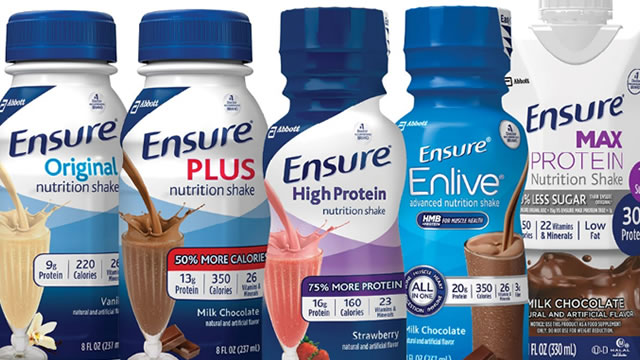
Abbott (ABT) Earnings Expected to Grow: Should You Buy?
Abbott (ABT) possesses the right combination of the two key ingredients for a likely earnings beat in its upcoming report. Get prepared with the key expectations.
Abbott Laboratories (ABT) is Attracting Investor Attention: Here is What You Should Know
Recently, Zacks.com users have been paying close attention to Abbott (ABT). This makes it worthwhile to examine what the stock has in store.
5 Defensive Stocks to Buy for a Safe Portfolio Amid Tariff-Led Mayhem
Five defensive stocks to buy at this soaring volatility are TAP, CNP, WEC, BSX, HCA.




