



Advanced Micro Devices, Inc. (AMD)
















Top Stock Movers Now: Nvidia, AMD, Newmont, BlackRock, and More
Major U.S. equities indexes were mixed at midday Tuesday as tech stocks got a boost from semiconductor stocks. The tech-heavy Nasdaq climbed, while the S&P 500 and Dow dropped.
AMD to resume MI308 AI chip exports to China
Advanced Micro Devices said Tuesday that the U.S. Commerce Department will restart reviewing MI308 licenses to send chips to China. AMD said in April it would incur up to $800 million in charges tied to MI308 export controls.
AMD: It Doesn't Need To Dethrone Nvidia
Advanced Micro Devices, Inc. has staged a remarkable recovery, outperforming the semiconductor peers since February, signaling renewed investor confidence on its bullish narrative. AMD's open-source, full-stack AI approach and rapid integration with hyperscalers position it as a credible challenger to Nvidia's dominance. AMD's growth could accelerate as it scales its AI revenue, with even a modest foothold making a significant impact relative to its current scale.

Wall Street sets Nvidia and AMD price targets for next 12 months
Wall Street is adjusting its outlook on two of the biggest semiconductor companies on the market, Nvidia (NASDAQ: NVDA) and AMD (NASDAQ: AMD), as enthusiasm for artificial intelligence (AI) continues to grow.
Is Advanced Micro (AMD) a Buy as Wall Street Analysts Look Optimistic?
The recommendations of Wall Street analysts are often relied on by investors when deciding whether to buy, sell, or hold a stock. Media reports about these brokerage-firm-employed (or sell-side) analysts changing their ratings often affect a stock's price.

Nvidia's At $4 Trillion - Is AMD Next To $1 Trillion?
Advanced Micro Devices, Inc. is at an inflection point, poised to capitalize on AI with new products and strategic shifts. Aiming for a $1 trillion valuation in five years. Key Q2 earnings drivers include MI300/data center revenue, M&A integration progress, and gross margin outlook—critical for AMD to close the gap with Nvidia.

Investment strategist picks 5 stocks ‘to pounce on' during Q2 earning season
As the Q2 2025 earnings season begins, investment strategist Shay Boloor has outlined five stocks to watch and potentially invest in.
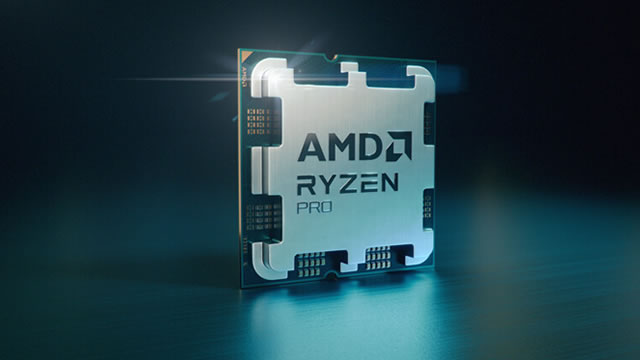
AMD Has A Strong Foundation For Future Growth
AMD's MI350 series positions the company as a real AI chip competitor to Nvidia, driving HSBC's price target increase to $200. Strong financials, including rising revenue and net income, support AMD's growth thesis and limit downside risk. AMD's partnerships with OpenAI, Microsoft, Meta, and others validate its AI ecosystem and expand its market opportunity.
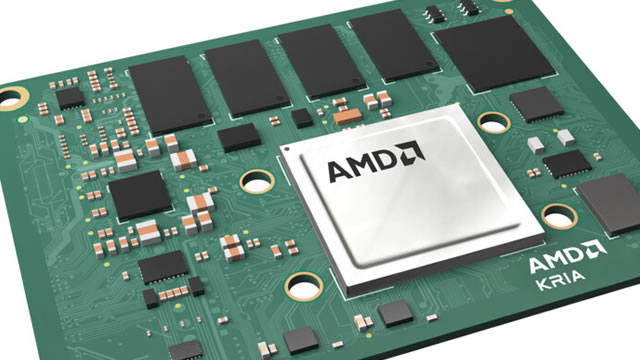
AMD Stock Popped After Analyst Said New AI Chips Could Take On Nvidia's—Watch These Key Price Levels
Advanced Micro Devices (AMD) stock jumped Thursday after analysts suggested the company's latest AI chips could take on Nvidia's (NVDA) offerings.
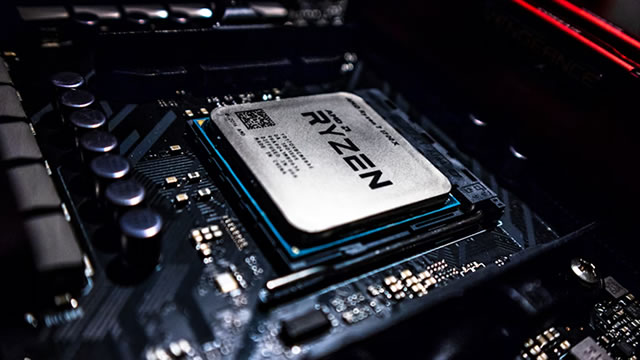
Advanced Micro Devices, Inc. (AMD) Is a Trending Stock: Facts to Know Before Betting on It
Advanced Micro (AMD) has been one of the stocks most watched by Zacks.com users lately. So, it is worth exploring what lies ahead for the stock.

Performance Vs. Expectations: Rethinking Nvidia And AMD Valuations
Nvidia Corporation remains my core AI infrastructure holding, supported by strong fundamentals, robust demand, and a durable developer ecosystem despite elevated valuations and China risks. Advanced Micro Devices, Inc. offers tactical upside as a less crowded, less geopolitically exposed play, with growing traction in sovereign AI and inference workloads, but faces execution risks. I recommend maintaining Nvidia as a core holding and using AMD for tactical adjustments, while trimming AMD from the core semiconductor portfolio for now.
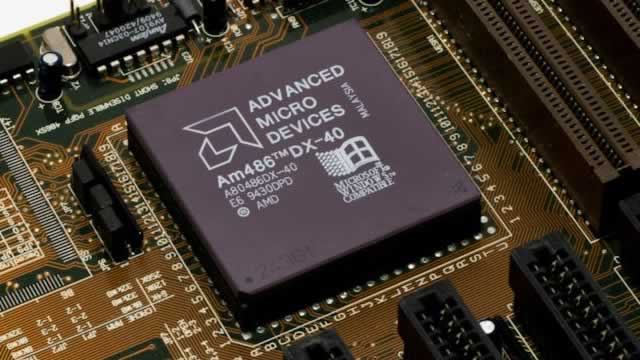
44th Anniversary Buy-and-Hold Pick: Advanced Micro Devices (AMD)
Schaeffer's Investment Research turns 44 this month!




