



Advanced Micro Devices, Inc. (AMD)

















Chips Retake Lead: What AMD and Nvidia Are Telling Us About AI
In just the past week, both chip stocks hit all-time highs.

5 Key AI Investment News Items
In another fast-paced week in tech, these developments underscore how foundational infrastructure, robust security, and massive capital commitments continue to drive the global AI expansion.

Advanced Micro Devices Stock Hits Record High on PT Hike
Advanced Micro Devices Inc (NASDAQ:AMD) stock is extending its record run today, last seen up 2.7% at $648.85 after Citigroup raised its price target to $800 from $575.
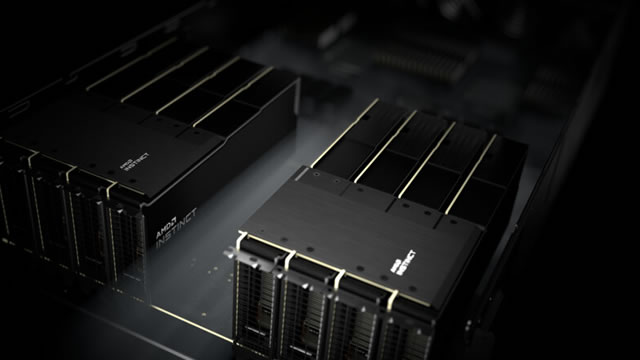
Why is AMD stock gaining today?
AMD stock gained 2.7% on Tuesday after Citi raised its price target on Advanced Micro Devices to $800 from $575, citing the potential impact of agentic artificial intelligence on demand for computing infrastructure. Citi analyst Atif Malik reiterated a Buy rating on AMD and said the firm now expects the CPU market to reach $300 billion by 2030.

Advanced Micro Devices, Inc. (AMD) Is a Trending Stock: Facts to Know Before Betting on It
Advanced Micro (AMD) has received quite a bit of attention from Zacks.com users lately. Therefore, it is wise to be aware of the facts that can impact the stock's prospects.
Why AMD Stock Will Be the Big Winner From the Rise of Meta's Muse
Unlike traditional chatbots, AI agents like Muse operate continuously—so they require a lot more compute, memory, and networking to run.

AMD and Microsoft Haven't Undertaken Stock Splits for 20+ Years And Investors Shouldn't Care
AMD's data center business exploded while Microsoft rents the very racks AMD fills, yet one of these stocks looks dangerously priced for anything less than a perfect Helios launch.
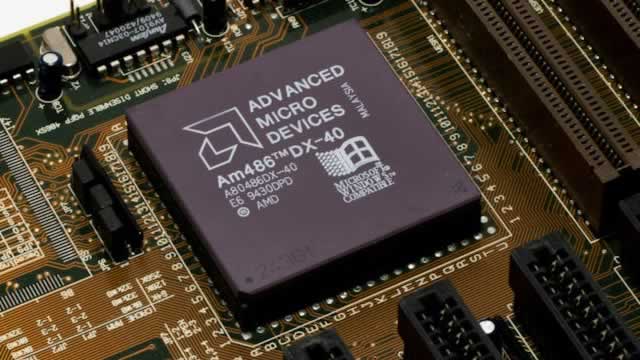
Machine learning algorithm predicts AMD price on October 31, 2026
Wall Street has overall bullish AMD (NASDAQ: AMD) price targets in the long term, as the stock has rallied nearly 30% in the past month. In the short term, however, the upside might be somewhat limited, at least according to a machine learning algorithm.
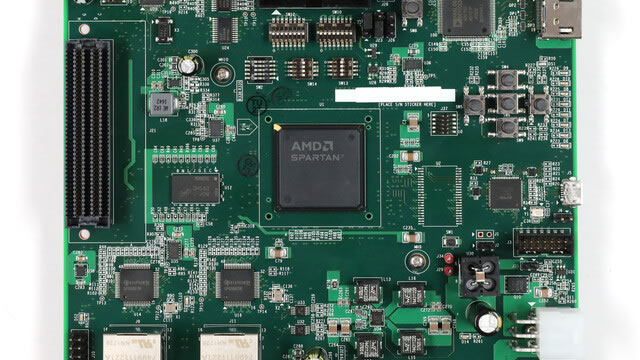
Why Advanced Micro (AMD) Could Beat Earnings Estimates Again
Advanced Micro (AMD) has an impressive earnings surprise history and currently possesses the right combination of the two key ingredients for a likely beat in its next quarterly report.

Wall Street analyst raises AMD stock forecast for 12 months
Even though Advanced Micro Devices Inc. (NASDAQ: AMD) stock rallied to a new peak over the past four weeks through October 5, 2026, Ruben Roy, a Wall Street analyst at Stifel Nicolaus, has elevated his 12-month price target.

Kodiak Sciences' Two Wet AMD Treatments Match Aflibercept in Phase III Study
Kodiak Sciences NASDAQ: KOD reported that its Phase III DAYBREAK study met primary endpoints for two investigational treatments in treatment-naïve patients with wet age-related macular degeneration, or wet AMD, with both therapies demonstrating statistical equivalence to aflibercept on visual-acuity outcomes.

If You Invest $10,000 in AMD Today, Here's What It Could Be Worth by 2030
AMD has surged dramatically over the past year, and its AI ambitions stretch into trillion-dollar markets by 2030, but the model scoring it a hold at near fair value tells a more complicated story about what that growth is actually




