



Advanced Micro Devices, Inc. (AMD)
















AMD Rides on Accelerating Data Center Growth: A Sign of More Upside?
Advanced Micro Devices rides 39% Data Center surge to $5.38 billion as EPYC CPUs and Instinct GPUs drive cloud growth, but NVIDIA and Broadcom competition intensifies.

AMD May Have More Upside Than Nvidia (Upgrade)
I believe Advanced Micro Devices' shift from selling standalone GPUs and CPUs to full rack-scale systems is the main reason the stock may outperform Nvidia this year. I see optionality in AMD, since new hyperscaler wins appear far less priced in than Nvidia's, leaving more room for upside if share gains materialize. I see strong traction in rack-scale systems, with deals from OpenAI, Meta, Oracle, and TCS, and major deployments largely starting in H2 2026.
AMD's Real Shift Is Still Mispriced
AMD guided Q1 2026 revenue to ~$9.8B, including ~$100M China sales, with data center growth offsetting seasonal client and gaming weakness. Q4 included ~$390M China revenue and ~$360M reserve reversal, masking true run-rate but confirming stable CPU demand and resilient GPU sales. Samsung HBM4 partnership enables 13 Gbps and 3.3 TB/s bandwidth, de-risking supply chain ahead of MI455X and Helios system launch.
AMD Relies on a Rich Partner Base to Drive Sales: More Upside Ahead?
Advanced Micro Devices expands AI push with Celestica, Nutanix and Samsung, advancing Helios and next-gen chips while battling NVDA and AVGO pressure.

AMD vs. Broadcom: Which Semiconductor Stock is a Buy Right Now?
AVGO's AI revenue surge and strong hyperscaler demand outshine AMD's near-term headwinds, positioning AVGO as a stronger AI infrastructure play.
AMD: Private Credit Crunch Is Good
Advanced Micro Devices, Inc. is reiterated as a strong buy, positioned to benefit as hyperscalers shift focus to cost-effective inference compute amid tightening private credit markets. AMD's diversified portfolio—GPUs, CPUs, and edge computing—makes it the budget-friendly alternative as hyperscalers pivot from large pre-training clusters to profitable inference workloads. AMD trades at a forward PEG of 0.70, a 44% discount to the sector median, implying over 80% upside if re-rated to peer multiples as the market reprices its growth trajectory.
Royce Capital Small-Cap Portfolio FY 2025: What Worked
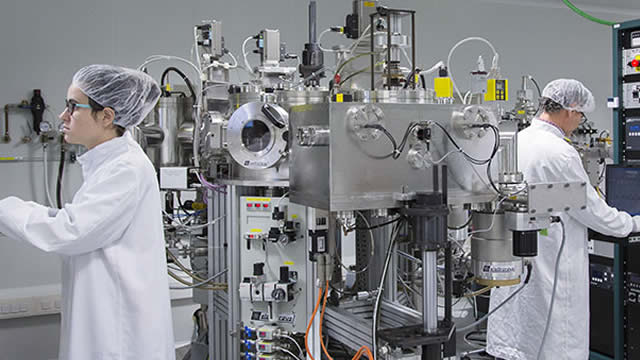
Royce Capital Small-Cap Portfolio fund advanced 8.9% in 2025 versus a 12.6% gain for the small-cap value index for the same period. Seven of the portfolio's 10 equity sectors made a positive impact on calendar year performance. Two of the Fund's top five contributors provide electronics contract manufacturing services, or “EMS.”.
Earnings Growth & Price Strength Make Advanced Micro Devices (AMD) a Stock to Watch
Wondering how to pick strong, market-beating stocks for your investment portfolio? Look no further than the Zacks Focus List.
Advanced Micro Devices (AMD) Advances While Market Declines: Some Information for Investors
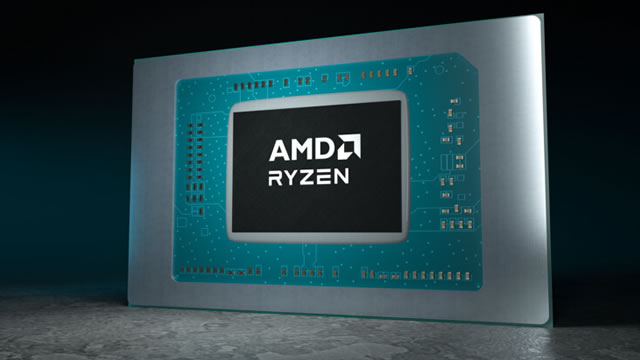
In the closing of the recent trading day, Advanced Micro Devices (AMD) stood at $199.46, denoting a +1.6% move from the preceding trading day.

AMD Angles May Portend Upside for This Exciting ETF
Semiconductor stocks haven't been immune to retrenchment in the artificial intelligence (AI) trade and sector rotation. Just look at Advanced Micro Devices (AMD), which is off more than 7% since the start of the year.
AMD stock rises over 1% even as markets fall: here's why
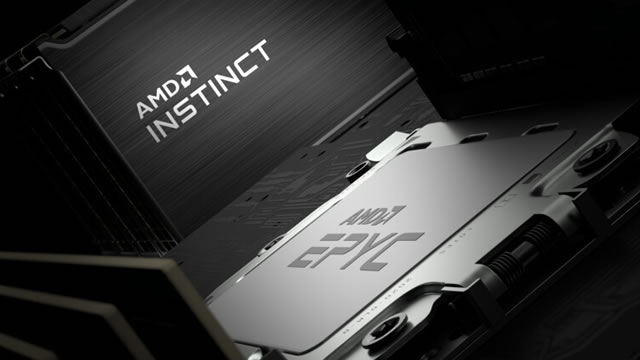
Shares of Advanced Micro Devices rose about 1.3% in early Wednesday trading after the company announced a new supply agreement aimed at supporting its next-generation artificial intelligence chips. The move came despite weakness across broader US markets, highlighting investor focus on AI-driven growth opportunities within the semiconductor sector.
AMD's Scale Advantage Is Starting To Show
AMD's data center momentum is accelerating, with EPYC approaching 40–50% server share and Instinct gaining hyperscaler deployment traction. GTC 2026 confirmed AI infrastructure demand could exceed $1 trillion, creating room for AMD to scale without displacing Nvidia. Inference is becoming the dominant AI workload, where AMD's performance-per-dollar positioning improves competitiveness versus Nvidia's premium stack.




