



Advanced Micro Devices, Inc. (AMD)

















AMD's stock looks like a winner after Nvidia earnings. These other AI plays do too.
Nvidia's third-quarter earnings beat alleviated AI bubble fears and sent tech shares rising across the market.
Here's why AMD stock is surging today
Advanced Micro Devices (NASDAQ: AMD) is seeing renewed upward momentum in pre-market trading despite a sharp decline over the past week, as investors reassess the semiconductor sector following Nvidia's latest earnings report.

Exclusive: AMD, Cisco and Saudi's Humain launch AI joint venture, land first major customer
Advanced Micro Devices , Cisco Systems and Saudi Arabian artificial intelligence startup Humain are forming a joint venture to build data centers in the Middle East and have landed their first customer, CEOs at the three companies told Reuters in an interview on Tuesday.

Advanced Micro Devices (NASDAQ: AMD) Price Prediction and Forecast 2025-2030 (November 2025)
Shares of Advanced Micro Devices ( NASDAQ:AMD ) lost 4.27% over the past month after soaring 46.01% the month prior.

AMD, ARM, INTC, NVDA: Chip stock prices are falling across the board today. Here's the reason why
The most closely watched earnings report of the quarter is tomorrow. That's when AI chipmaking giant Nvidia will announce its third-quarter results.
AMD and ARM gaining market share amid Intel supply constraints: analysts
In the third quarter of 2025, US semiconductor CPU trends showed continued market share gains for Advanced Micro Devices Inc (NASDAQ:AMD, XETRA:AMD) and Arm Holdings PLC (NASDAQ:ARM), while Intel Corp (NASDAQ:INTC, XETRA:INL) benefited from higher average selling prices (ASPs) amid ongoing supply constraints, according to Bank of America analysts. Based on Mercury Research data, AMD and ARM both outperformed Intel in unit growth across desktop, notebook, and server segments, the analysts wrote in a note to clients.
These Are the 3 Cheapest Big Tech AI Stocks: Time to Buy?
The explosion of interest in artificial intelligence (AI) has caused the valuations of many tech stocks to skyrocket.

Lisa Su Thinks AI is the “Right Gamble.” Should Investors Shed Their Fear of Heavy AI Spend?
Advanced Micro Devices (NASDAQ:AMD) top boss Lisa Su is worth investing in, especially for the AI bulls out there who want to bet on the future of a fast-moving AI chip giant that has what it takes to keep up with the likes of the great Nvidia (NASDAQ:NVDA).
AMD: Why Consensus Estimates Are Stale And Too Conservative
AMD (AMD) is a strong buy, with a clear path to double-digit data center AI market share and tens of billions in revenue by 2027. Key drivers include the MI450 on TSMC 2nm, open-source ROCm software improvements, and major partnerships with OpenAI, Oracle, and Meta. AMD forecasts 80%+ AI revenue CAGR for 3-5 years, targeting $20 EPS and a $500 fair value, supported by accelerating datacenter and CPU demand.
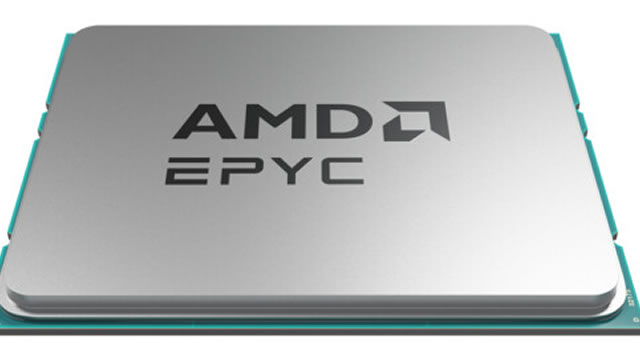
AMD's Price Is Playing With Fire, But The Valuation Will Go Higher
Advanced Micro Devices, Inc. stock looks expensive in the moment, but if you zoom out it's remarkably well-positioned for five to 10 years of elite returns. We are not facing an energy bottleneck as the core issue, we are facing policy isolationism that we have been pressured into by China. If business leaders and policy makers unite, cyclical AI dynamics will not occur heavily, and I am bullish on long-term AMD growth even with present constraints.
Wall Street analysts update AMD stock price
TD Cowen analyst Joshua Buchalter has reaffirmed his bullish stance on Advanced Micro Devices (NASDAQ: AMD), reiterating a ‘Buy' rating and maintaining a $290 price target.
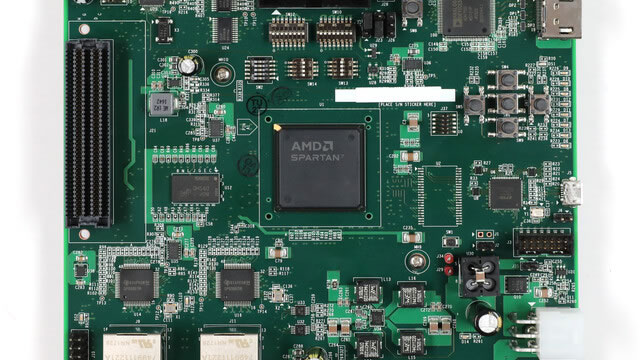
AMD Q3: The Underdog Running Circles Around Rivals
Advanced Micro Devices, Inc. is rated Strong Buy, driven by robust Q3 2025 earnings and accelerating AI-related growth catalysts. AMD's OpenAI partnership could generate tens of billions in revenue, validating its GPUs as a credible alternative to Nvidia in data centers. Despite a premium valuation near 98x forward earnings, AMD's aggressive growth targets and next-gen MI450 chips support long-term upside.




