



Amazon.com Inc (AMZN)

















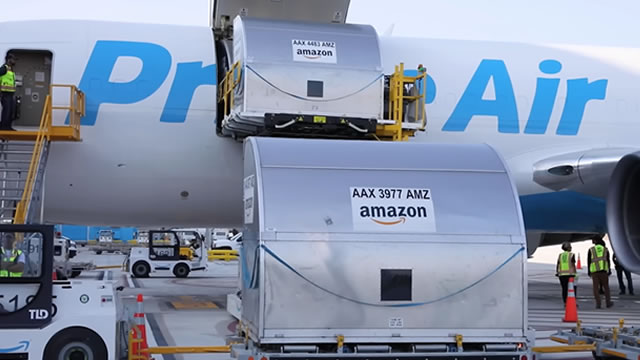
Amazon's home-grown AI chips gain momentum as Trainium powers multibillion-dollar business
Amazon.com Inc (NASDAQ:AMZN) is doubling down on its in-house AI chips, and chief executive Andy Jassy says the strategy is already delivering. At AWS re:Invent he revealed that Trainium2, Amazon's current accelerator, has reached a multibillion-dollar revenue run rate, with more than 1 million chips in production and over 100,000 customers accessing them through the Bedrock AI platform.

Amazon: Do Not Underestimate The Catch-Up Trade (Rating Upgrade)
Amazon is upgraded to a "Strong Buy," driven by accelerating AWS growth and e-commerce margin expansion. Generative AI and automation are expected to boost efficiency and profitability across both AWS and core retail operations. Valuation appears conservative at 30x forward earnings, with fair value estimated around $330 per share.
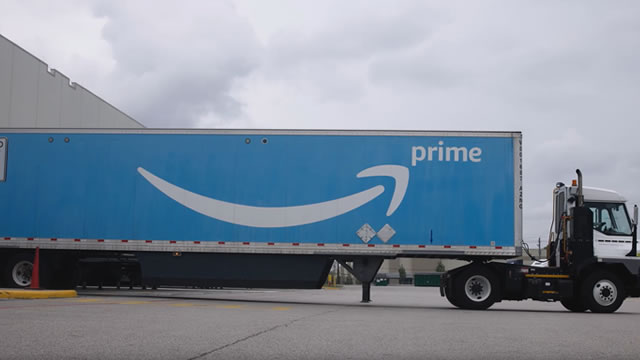
Amazon's growing clout in US shipping market
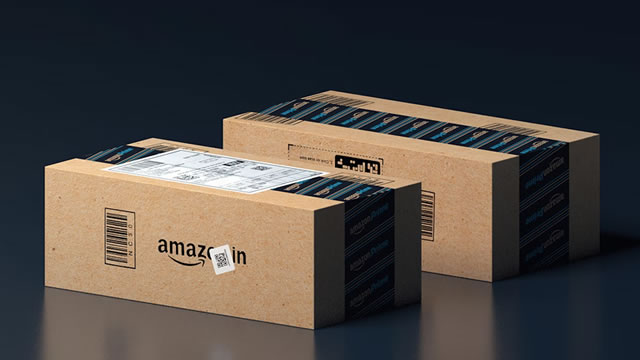
Amazon's investments in new fulfillment centers and delivery stations have gradually cemented the online giant's position as a key player in the nearly $193 billion U.S. parcel industry, long dominated by UPS , FedEx , and the U.S. Postal Service.
Eau de AI: Amazon gives techies a whiff of software-driven perfume
Amazon.com on Wednesday touted new capabilities for its SageMaker AI service that it says will help customers expedite customizing their artificial intelligence software models.

Amazon hopes to jump start its AI coding tool Kiro by giving it away to startups
Is there any way for another AI coding tool to worm it's way into the hearts of startup founders — and past Cursor, Claude Code, Codex, Gemini Code Assist, GitHub CoPilot, the many other AI-wrapped VSCode forks, and vibe-coding phenoms like Replit and Lovable?

Andy Jassy says Amazon's Nvidia competitor chip is already a multi-billion-dollar business
Can any company, big or small, really topple Nvidia's AI chip dominance? Maybe not.
Amazon showcases AI chip upgrades, agent tools at re:Invent conference, keeping Bank of America bullish
Amazon.com Inc (NASDAQ:AMZN) used its annual re:Invent conference in Las Vegas to outline a series of AI-focused updates, including new Trainium chips, expanded Nvidia integration, autonomous agents, and a new on-premises “AI Factories” model. The event, which drew roughly 60,000 attendees, offered incremental product progress rather than a headline-making partnership, according to Bank of America analysts.

Amazon adds news tab to Prime Video in user expansion push
Amazon.com said on Wednesday it is rolling out a dedicated news tab on its Prime Video streaming service, which will become available to all U.S. customers for free by the end of the year.

3 Reasons Why Growth Investors Shouldn't Overlook Amazon (AMZN)
Amazon (AMZN) could produce exceptional returns because of its solid growth attributes.

Amazon Stock Down 9% as Investors Bet on Trainium3 AI Chip to Challenge Nvidia
Shares of Amazon.com Inc (NASDAQ: AMZN) have dropped roughly 9% over the past month, sliding from $249.32 in early November to $234.50 as of December 2.
Is It Worth Investing in Amazon (AMZN) Based on Wall Street's Bullish Views?
Investors often turn to recommendations made by Wall Street analysts before making a Buy, Sell, or Hold decision about a stock. While media reports about rating changes by these brokerage-firm employed (or sell-side) analysts often affect a stock's price, do they really matter?

Amazon Stock (NASDAQ: AMZN) Price Prediction and Forecast 2025-2030 for December 3
Shares of Amazon.com Inc. (NASDAQ: AMZN) gained 3.48% over the past five trading sessions after gaining 2.80% the five prior.




