



Amazon.com Inc (AMZN)

















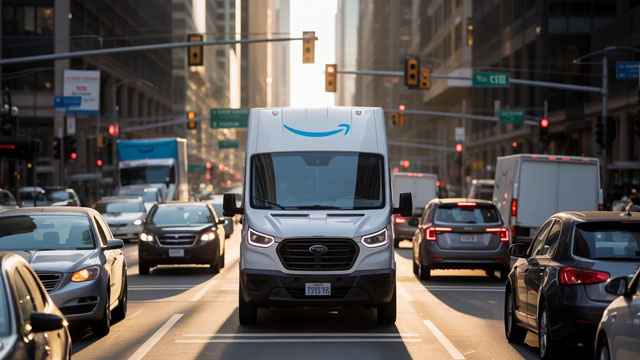
Could Easing Iran Tensions Trigger an Amazon Pre-Earnings Rally?
Tech giant Amazon.com NASDAQ: AMZN has been one of the more frustrating large-cap names to watch and to own in recent months. Shares of the Seattle-based company are currently trading around $210, roughly the same level as in November 2024, meaning the stock has effectively gone nowhere in 18 months despite a strong broader market backdrop.

How Amazon Just Turned Your Smart Speaker Into Its Next Big Opportunity
There are over 600 million Alexa devices worldwide, a massive user base to harvest data, upsell, and advertise to. Amazon's Alexa upgrade also paves the way for agentic commerce.

3 Magnificent 7 Stocks at Make-or-Break Moments for AI Investors
It's said that variety is the spice of life. That's true of investing as well.

Wall Street Week Ahead
Listen on the go! A daily podcast of Wall Street Breakfast will be available by 8:00 a.m.

These 2 Monster Stocks Could Be the Best Investments You Make This Decade
AI hyperscalers are forecast to spend nearly $700 billion on infrastructure this year -- a trend that could rise to multiple trillions over the next decade. Nvidia benefited from AI demand over the last three years thanks to its suite of GPUs, but the company also offers critical software and networking applications for developers.

After Nike's Drop, Here Are the 3 Retail Growth Stocks I'd Buy Today
Amazon is using AI to fuel online sales, while non-retail businesses also show momentum. Lululemon's international runway remains a compelling reason to buy the stock at these bargain prices.

Prediction: AI Robotics Will Be a $375 Billion Industry and These 2 Stocks Will Lead It
These two innovative market leaders have already delivered market-beating returns. They might do so again if they can capitalize on the fast-growing AI robotics niche.
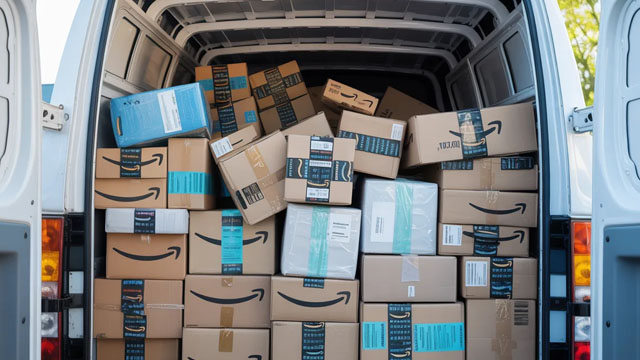
Amazon's $200 Billion AI Spending Spree Is Lighting the Fuse for Explosive Growth
The very spending that has some investors clutching their portfolios turns out to be the smartest infrastructure bet since the original cloud build-out.

Amazon adds seller surcharge as oil spike from Iran tensions drives logistics costs higher
Amazon plans a 3.5% surcharge on sellers using its fulfillment services as rising oil prices drive up shipping costs across the U.S. economy.

Amazon to Add 3.5% Fulfillment Surcharge as Fuel Costs Rise
The new surcharge will be added to fees paid by third-party sellers in the US and Canada.
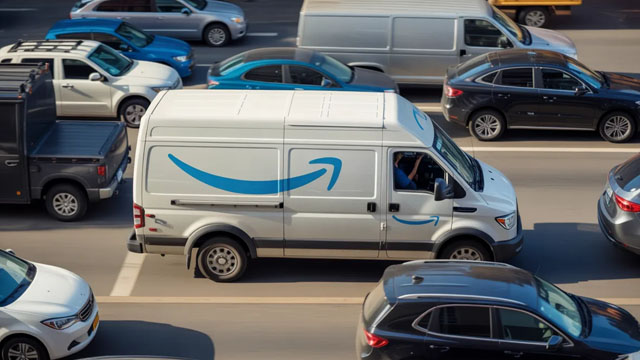
Amazon hits sellers with ‘fuel surcharge' as Iran war roils global energy markets
The war in Iran has hammered global oil markets, with gas prices in the U.S. spiking significantly. Amid the rise in transportation costs, Amazon has instituted a new 3.5% fuel surcharge for sellers that use its distribution network.

Amazon tells sellers it's adding a 3.5% charge to offset rising fuel and logistics costs
Amazon is adding a 3.5% surcharge to some orders, it told sellers. The surcharge is meant to offset higher costs from "fuel and logistics," the e-commerce giant said.




