



Air Products and Chemicals, Inc. (APD)








Two Chemical Giants Cut Their Dividends. One Kept Raising.
Dow and LyondellBasell slashed their dividends while Air Products kept raising its payout, and the reason comes down to a structural difference that most yield screens completely miss.
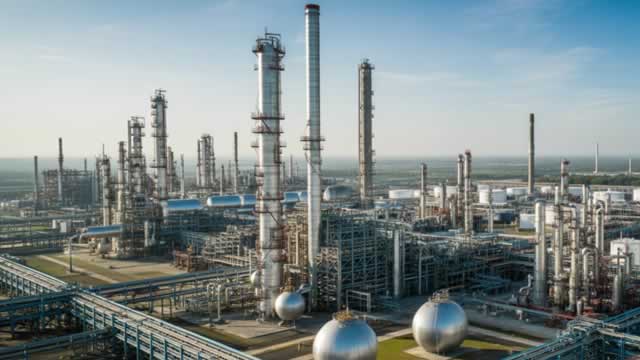
APD to Build LNG-Based ASU for PETRONAS Gas Berhad-Led JV
Air Products expands its Malaysia footprint with a first-of-its-kind LNG-based air separation unit, boosting industrial gas capacity while reducing emissions.

Will Air Products and Chemicals (APD) Beat Estimates Again in Its Next Earnings Report?
Air Products and Chemicals (APD) has an impressive earnings surprise history and currently possesses the right combination of the two key ingredients for a likely beat in its next quarterly report.

These 2 Basic Materials Stocks Could Beat Earnings: Why They Should Be on Your Radar
Finding stocks expected to beat quarterly earnings estimates becomes an easier task with our Zacks Earnings ESP.

Air Products and Chemicals (APD) Upgraded to Buy: Here's What You Should Know
Air Products and Chemicals (APD) might move higher on growing optimism about its earnings prospects, which is reflected by its upgrade to a Zacks Rank #2 (Buy).

APD Gains on Growth Project and Productivity Amid Helium Pricing Woes
APD is advancing high-return projects and productivity efforts, but weak helium prices continue to pressure results.

Is Air Products and Chemicals (APD) Outperforming Other Basic Materials Stocks This Year?
Here is how Air Products and Chemicals (APD) and Teck Resources Ltd (TECK) have performed compared to their sector so far this year.

Of These 3 Income Stocks, 1 Is a Year Away From Joining the Dividend Kings
Three longtime Dividend Aristocrats are closing in on a milestone only a handful of US companies have ever reached, but only one of them is genuinely standing on the doorstep of joining the most exclusive income-investing club in the market.

One of These 3 Companies Is One Year From Becoming a Dividend King. Here Is Which One
Dividend Kings are the rarest breed in income investing: US companies with at least 50 consecutive years of dividend increases. Of the three long-tenured Aristocrats profiled here, only one is genuinely on the doorstep.
APD Expands Semiconductor Footprint With $250M Arizona Investment
Air Products is investing $250M in Arizona gas infrastructure to support U.S. semiconductor manufacturing and advanced packaging expansion.
Air Products And Chemicals: Back In The Buy Column Now
Air Products and Chemicals has meaningfully underperformed the S&P 500 index in recent months. New asset contributions, the electronics super-cycle, and the strategic pivot back toward industrial gas projects can power future adjusted EPS growth. APD's adjusted net debt-to-adjusted EBITDA ratio improved sequentially to 2.1x in Q3 2026.

Are Basic Materials Stocks Lagging Air Products and Chemicals (APD) This Year?
Here is how Air Products and Chemicals (APD) and Avient (AVNT) have performed compared to their sector so far this year.




