



ASML Holding N.V. New York Registry Shares (ASML)











ASML: A Fundamentally Undervalued Monopoly At The Heart Of The AI Revolution
ASML is the indispensable, monopolistic foundation of the global semiconductor industry, yet it trades at a significant and unjustified 'European discount' versus its tech clients. Geopolitical risks and export bans to China are overblown; global chip demand will simply shift to other ASML customers, preserving overall equipment demand. ASML's current dominance in EUV lithography ensures a strong moat and growth for the next 5-10 years, making the recent price decline a buying opportunity.
The Massive $1.7 Trillion U.S.-EU Trade Deal: 2 AI Stocks That Benefit Most
Key Points in This Article: The $1.7 trillion U.S.
ASML Has Entered Buy Territory, But Only For Patient Investors
There are a few players in the technology sector who have a near monopoly in their businesses, and investors can use that to their advantage when planning for the next outsized upside play in their portfolios. Knowing what to look for comes into play for the savvy ones, and those who can connect the dots will likely land on the right side of history in this artificial intelligence gold rush.

Is Trending Stock ASML Holding N.V. (ASML) a Buy Now?
ASML (ASML) has received quite a bit of attention from Zacks.com users lately. Therefore, it is wise to be aware of the facts that can impact the stock's prospects.
ASML: The Best Disappointing Chip Stock To Buy
ASML's stock underperformed the S&P 500 due to trade tensions and China-related order cancellations, but its technology leadership remains intact. Despite €1.4 billion in Chinese order cancellations, ASML delivered strong Q2 results with 31% revenue growth and EPS up 47% year-on-year. Guidance reflects uncertainty, especially regarding China, but ASML still expects 15% sales growth and robust margins for the full year.
Is It Worth Investing in ASML (ASML) Based on Wall Street's Bullish Views?
Investors often turn to recommendations made by Wall Street analysts before making a Buy, Sell, or Hold decision about a stock. While media reports about rating changes by these brokerage-firm employed (or sell-side) analysts often affect a stock's price, do they really matter?

ASML Stock Trades at a Discount: Should You Buy, Sell or Hold?
ASML trades at a discount, but cautious guidance, a weak 2026 outlook and trade headwinds weigh on the stock's appeal.
3 Untouchable Monopolies You Should Be Buying Now
Key Points in This Article: Monopolies, though often regulated, can arise naturally through innovation and market dominance, offering unique investment opportunities.

ASML: EUV Is Indispensable, But Growth Fears Still Linger
EUV is indispensable to produce semiconductor chips that is smaller than 5nm, as it is more cost-efficient and higher yield. Recent earnings call signaled potentially a no growth 2026 due to macroeconomic headwinds, which are getting clarified. More and more new fabs are getting constructed in the world by major semiconductor manufacturers such as TSMC, which will require EUV machines.
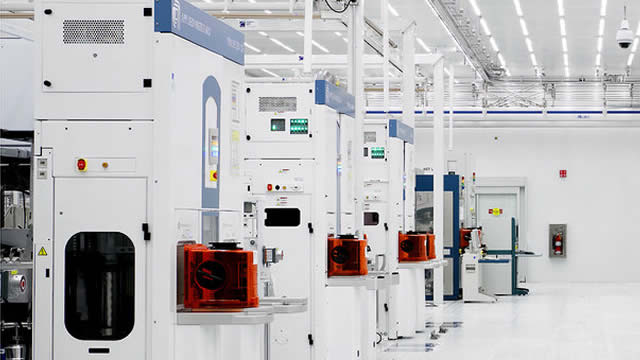
ASML Aims 30% EUV Revenue Growth in FY25: Can it Hit the Target?
ASML Holding targets 30% EUV revenue growth in 2025, fueled by Low NA expansion, High NA shipments, and AI-driven chip demand.

3 Stocks With Monopoly Power—and Minimal Competition
The word "monopoly" has a negative reputation in the investment and economic communities, as it is often linked to abusive pricing and unfair advantages that many other businesses and investors might not face. However, monopolies (or near-monopolies for that matter) can also mean outsized returns for investors who can spot them.

ASML: Focus On What Will Not Change
ASML Holding N.V.'s core moat—its monopoly on advanced lithography tools—remains unchallenged despite trade uncertainty and cyclical headwinds. Secular demand drivers like AI, automation, and data infrastructure support robust long-term growth for high-end chips and, by extension, ASML. Valuation is attractive, with healthy margins and limited competitive threats; current weakness reflects priced-in short-term risks, not fundamentals.




