



Boeing Company (BA)














Alaska Airlines CEO 'not overly concerned' about new Boeing Max 10 delay
Alaska Airlines CEO Ben Minicucci said he wasn't "overly concerned" about the latest delay to Boeing Max 10 certification, which the manufacturer had expected in the coming weeks. The problem stems from a glitch following a software update in which pilots could lose certain automated navigation information during a go-around.

Boeing Leads Dow Lower on News of 737 MAX Software Glitch
A Boeing 737 MAX software glitch is sending shares of the plane maker down sharply Monday.
Boeing 737 Max 10 certification delayed by software issue, FAA says
The FAA said it won't certify Boeing's 737 Max 10 until it assesses a new software bug. The issue, which Boeing flagged last month, could cut off automated landing guidance if pilots have to perform a go-around, or attempt a landing again.
Boeing Drops 3% as 737 MAX Landing Software Glitch Draws Regulator Review; GE Aerospace Eases, RTX Treads Water
A newly reported software defect on the 737 MAX is pulling Boeing (NYSE:BA | BA Price Prediction) lower, and the pressure is landing almost entirely on one name. Boeing stock is down 3% to $192.
Boeing flags 737 Max software glitch affecting some automated approach functions
Boeing said it flagged a software glitch last month on some 737 Max aircraft. The software problem could affect certain landing procedures.
New Boeing 737 MAX Software Glitch Could Disrupt Navigation Feature
The aerospace giant is working on a procedure for pilots and a software fix, although an FAA investigation could affect approval of new plane models.
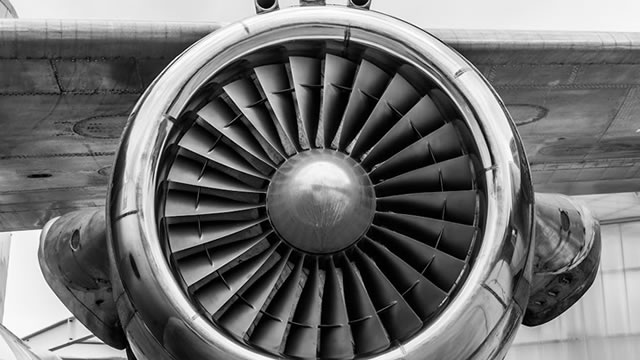
Boeing: The Recovery Hits Another Speed Bump
Boeing: The Recovery Hits Another Speed Bump

Alaska Air expects Boeing 737 MAX 10 certification by end-September
Alaska Air expects Boeing's 737 MAX 10 to be certified by the end of September and plans to take delivery of its first aircraft next spring, Chief Operating Officer Jason Berry told Reuters on Thursday.
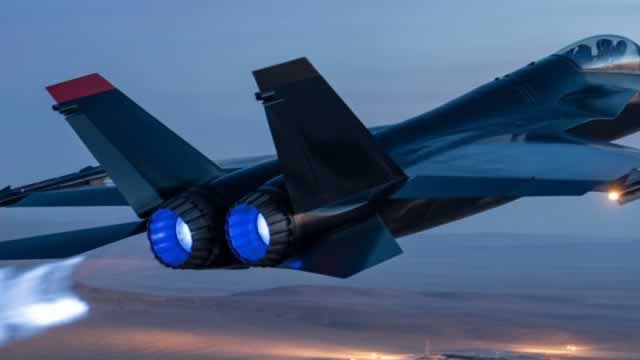
Archer Aviation Clears at Least Clears One Hurdle. Can It Hit $10 Again?
Archer Aviation (NYSE:ACHR | ACHR Price Prediction) cleared a meaningful gate. The Hart-Scott-Rodino antitrust waiting period on its acquisition of Boeing (NYSE:BA) subsidiaries Wisk Aero, Insitu, and SkyGrid expired at 11:59 p.m.
How the Trump-Xi Meeting Could Move Nvidia, Boeing and Your 401(k)
When Trump meets Xi this week, a tariff truce set to expire in November turns a state visit into a live portfolio event, and two giant S&P 500 stocks sitting on opposite sides of the China trade stand to move
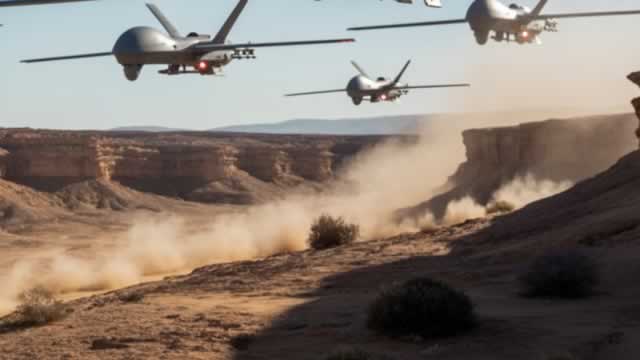
Archer Aviation: Still Grounded By Market Pessimism
Archer Aviation continues to transition toward a full-scale aerospace and defense business beyond air taxis while the stock is stuck at the yearly lows. The strategic deal with Boeing turns a potential competitor into a partner, adding $200M+ annual UAS revenue and key autonomous technology. The Boeing acquisition, valued at up to only $1 billion for 20% of ACHR stock, significantly expands market reach and technological capabilities.
Wall Street Brunch: U.S.-China Summit In Spotlight
President Trump and President Xi's White House summit will focus on trade, tariffs, Taiwan, and AI, with rare-earth exports and Boeing (BA) orders in play. Failure to extend the rare-earth export ban truce could escalate geopolitical tensions, while a comprehensive deal would need to address multiple global conflicts and tech competition.




