






Saul Centers: Attractive Even Amidst Higher Interest Rates (Upgrade)
Saul Centers is upgraded to 'buy' after a 20% pullback, offering value for income-oriented investors. Higher interest rates and a levered balance sheet have pressured BFS, but most debt is fixed-rate or hedged, moderating risk. Hampden House ramp-up is a key earnings catalyst, with occupancy gains expected to drive FFO growth in H2 and beyond.

Cerrado Gold: Stronger Operations Offset A Delayed BFS
Cerrado Gold maintains an attractive risk/reward profile, driven by Minera Don Nicolas' transformation into a robust cash flow generator. Q1 results highlight a dramatic AISC reduction from $1932 to $1348/oz and EBITDA growth, though cash flow quality remains a concern due to high reinvestment. Q2 production reached 15,415 GEO, supporting confidence in 50,000–60,000 GEO annual guidance, with operational stability and higher grades expected in H2.
Saul Centers' Preferred Stocks Carry More Risk Than Their Yield Suggests
Saul Centers trades at a steep 7.84x price/book, up 30%, despite lagging peers in 3-year total return. BFS preferreds (BFS.PR.D, BFS.PR.E) yield 7.3% and 6.6% but lack credit ratings and trade below par. Moody's methodology suggests a Ba3 credit profile for BFS, implying B2 for its preferreds—signaling elevated credit risk.

Saul Centers: DC Headwinds Are Fading
Saul Centers has rallied 15% since mid-May, benefiting from stabilized DC-area fundamentals and ramping growth projects. BFS delivered Q1 FFO of $0.71, with same-property revenue up 7% and multifamily occupancy at a robust 97.6%. High leverage (55% debt/EV, 8x EBITDA) persists, but deleveraging is expected as new properties scale and contribute to earnings.

Cerrado Gold: Thesis Strengthens As MDN Delivers And BFS Catalyst Nears
Cerrado Gold (CRDOF) fundamentals have strengthened, with Minera Don Nicolas now generating robust cash flows and reducing liquidity pressure. CRDOF eliminated its hedging program, fully exposing operations to spot gold prices, enhancing margin potential amid strong gold markets. The company launched a 5% NCIB buyback, signaling management's confidence and alleviating previous dilution concerns.
Saul Centers: DC Headwinds Offset Organic Growth (Rating Downgrade)
Saul Centers is downgraded to 'hold' as shares approach fair value near $35 after a recent rally and limited upside. DC-area macro headwinds, notably federal workforce reductions, weigh on BFS's commercial occupancy and rent growth outlook through 2026. Development projects like Hampton House are ramping up, expected to boost FFO and cash flow as occupancy increases, partially offsetting macro pressures.
Saul Centers: The Dividend Is Safe Against Headwinds
Saul Centers maintained its quarterly dividend at $0.59 per share, offering an attractive 7.44% annualized yield. The REIT reported revenue of $70.8 million, roughly 5.8% year-over-year growth, but with FFO dipping by 10 cents per share. BFS is covering its dividend by 124% from FFO per share and is set to see this coverage improve on Twinbrook Quarter Phase I occupancy gains.
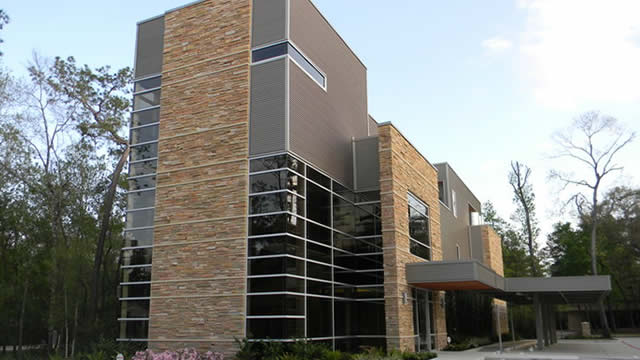
Saul Centers (BFS) Q1 FFO Miss Estimates
Saul Centers (BFS) came out with quarterly funds from operations (FFO) of $0.71 per share, missing the Zacks Consensus Estimate of $0.73 per share. This compares to FFO of $0.80 per share a year ago.
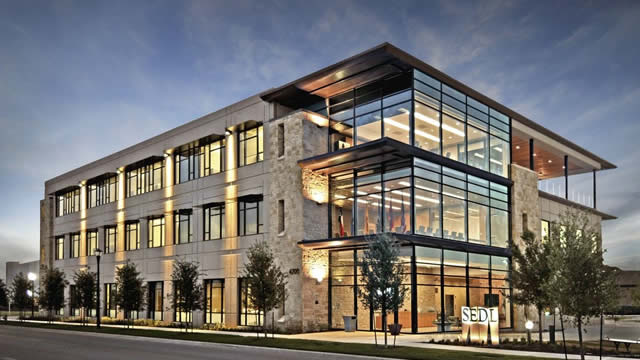
Saul Centers: Mixed Q4 And DC Headwinds Limit Upside
Saul Centers has underperformed over the past decade, with shares losing 35% and facing headwinds from federal government downsizing in the DC/Baltimore area. The company's Q4 results were impacted by project accounting, with a significant increase in costs due to the completion of Twinbrook Quarter Phase 1. High occupancy rates are offset by cost inflation and office space weakness, limiting the potential for same property growth and dividend increases.
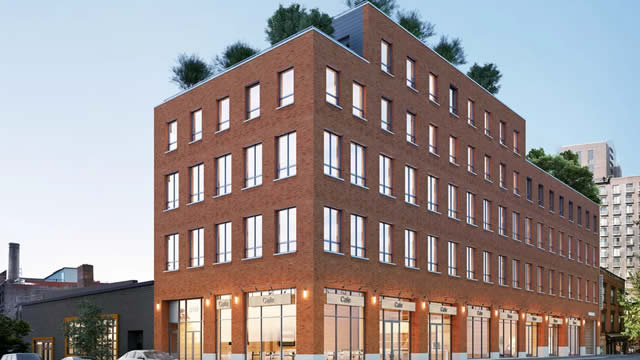
Saul Centers (BFS) Q4 FFO and Revenues Lag Estimates
Saul Centers (BFS) came out with quarterly funds from operations (FFO) of $0.63 per share, missing the Zacks Consensus Estimate of $0.68 per share. This compares to FFO of $0.79 per share a year ago.

What Makes Saul Centers (BFS) a New Buy Stock
Saul Centers (BFS) has been upgraded to a Zacks Rank #2 (Buy), reflecting growing optimism about the company's earnings prospects. This might drive the stock higher in the near term.

Saul Centers: Access To Affluent Shoppers Will Fuel Growth
Saul Centers, a mid-cap REIT, is now trading at a discount, making it an attractive investment for its Washington DC properties. The company has a strong dividend yield of 6% and stable growth potential, primarily through rental rate increases. Saul's high insider ownership and low market communication make it unique, but also slightly riskier due to high leverage.




