



Costco Wholesale Corporation (COST)









Costco Results Will Be This Earning Season's Last Look at the Consumer
Investors will be looking to see if the results show consumers are still spending.
Costco Stock Pulls Back from Record Before Earnings
Costco Wholesale Corp (NASDAQ:COST) is set to report fiscal third-quarter earnings after the close on Wednesday, May 28.

Costco Heads into Earnings with Monthly Sales Already Doing the Heavy Lifting
The warehouse club walks into the print with the bulk of the quarter's narrative already written.

Here's How Much Costco Stock Is Expected to Move After Earnings
Costco Wholesale is set to report earnings after the closing bell Thursday, with traders anticipating a sizable move from the warehouse retailer's stock following the results.
Buy, Hold or Sell Costco Stock? Key Tips Ahead of Q3 Earnings
Costco heads into May 28 Q3 earnings results with strong membership and digital gains, but a premium valuation suggests patience for new buyers.

Here's How Costco's AI and Digital Bet Is Fueling Faster Sales Growth
Costco's AI-driven personalization and app upgrades lift e-commerce sales and traffic, pushing faster growth beyond the warehouses.
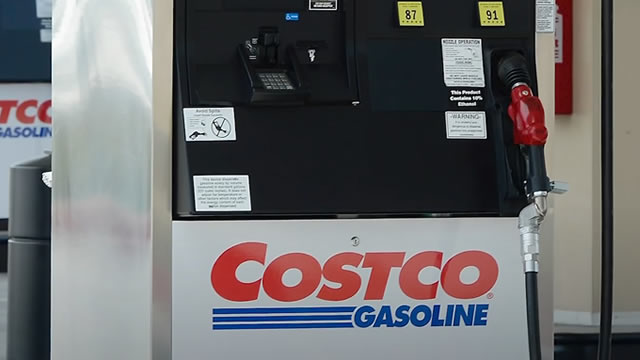
We're tracking 45 Costco items, from bacon to motor oil. Prices have stayed surprisingly steady so far.
Business Insider has been tracking 45 key products at Costco to see the impact of higher energy costs. The US and Israel's war with Iran earlier this year sent the oil market reeling.
At an LA Costco, Skateboarding and Learning About Loss
We're all going to die. But first — just one more trick.

Why Costco (COST) is a Top Momentum Stock for the Long-Term
Wondering how to pick strong, market-beating stocks for your investment portfolio? Look no further than the Zacks Style Scores.

Costco (COST) is a Top-Ranked Growth Stock: Should You Buy?
The Zacks Style Scores offers investors a way to easily find top-rated stocks based on their investing style. Here's why you should take advantage.

Costco Q3 Earnings Preview: Great Business With Limited Upside
Costco (COST) delivers steady growth in memberships, sales, and profits, but shares trade at a premium—currently around 53x next year's earnings. Membership strength remains a key driver: paid memberships up 4.8%, renewal rates above 89%, and executive members now drive nearly 75% of sales. Digital and international expansion are progressing, with ecommerce traffic up 32% and plans for 21 new warehouses, but these have yet to materially accelerate earnings growth.

Costco Wholesale Corporation (COST) Is a Trending Stock: Facts to Know Before Betting on It
Recently, Zacks.com users have been paying close attention to Costco (COST). This makes it worthwhile to examine what the stock has in store.




