



The Campbell's Company (CPB)









Campbell's or Lululemon: Why One Earnings Report Matters Far More Than the Other
Campbell's and Lululemon both report on the same Thursday, but one of those earnings releases carries consequences that will shape an entire portfolio year while the other is just another quarter.

Campbell's Q4 Earnings on the Horizon: What Should Investors Expect?
CPB gears up for the fourth-quarter report, with sales and EPS expected to fall as Snacks weakness and margin pressure weigh, while Meals & Beverages remain resilient.
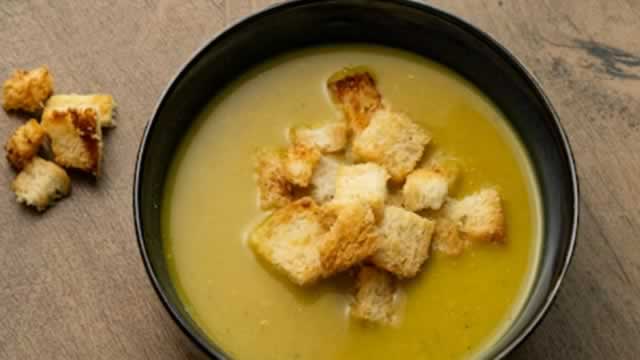
Exploring Analyst Estimates for Campbell (CPB) Q4 Earnings, Beyond Revenue and EPS
Get a deeper insight into the potential performance of Campbell (CPB) for the quarter ended July 2026 by going beyond Wall Street's top-and-bottom-line estimates and examining the estimates for some of its key metrics.
Earnings Preview: Campbell's (CPB) Q4 Earnings Expected to Decline
Campbell (CPB) doesn't possess the right combination of the two key ingredients for a likely earnings beat in its upcoming report. Get prepared with the key expectations.

The Campbell's Company Innovation Push: Can New Products Lift Sales?
CPB is betting on sauces, soup innovation and premium-brand launches to spark demand as at-home cooking and flavor exploration shape its pipeline.

5 Safe Dividend Stocks Yielding 6.9% or More
Income investors have plenty of high-yield options, but very few pass the coverage test.

CPB Q2 Earnings Call Highlights
Central Pacific Financial Corp. CPB NYSE: CPF reported second-quarter 2026 net income of $20.8 million, or $0.80 per diluted share, as the Hawaii-based bank benefited from higher earning-asset balances and yields, stable funding costs and a modest expansion in net interest margin.

Campbell's: Better Days Are Worth Waiting For
The Campbell's Company remains a Buy, offering a compelling valuation and a sustainable ~7% dividend yield despite persistent macro headwinds. CPB's cost-saving initiatives, portfolio rebalancing, and focus on Snacks position it for margin recovery and potential long-term re-rating as consumer conditions improve. Risks include intensifying private label competition, consumer weakness, and ongoing margin pressure, but CPB's strong balance sheet and investment-grade focus provide resilience.

Campbell (CPB) Up 3.5% Since Last Earnings Report: Can It Continue?
Campbell (CPB) reported earnings 30 days ago. What's next for the stock?
The Campbell's Company - Sell: Structural Problems Are Serious
The deterioration in Campbell's gross and operating margins has been ongoing for an extended time period and seems to be accelerating. Q3, 2026 reported results met expectations with a sales match and an earnings beat of $0.02. However, future quarters will be challenging. An examination of standard metrics measuring Fixed Asset usage reveals inefficiencies that are structural in nature and are inferior to most peer group members.

How Is Campbell's Capitalizing on Shifting Consumer Preferences?
CPB is using innovation and partnerships to adapt to changing consumer preferences and expand its Meals & Beverages portfolio.
Campbell's Soup Stock: Deep Value and a 7% Dividend Yield
From a multi-year perspective, Campbell's Soup Company's NASDAQ: CPB stock price has experienced a precipitous drop, but it appears to have reached a bottom in 2026, ready for value-oriented buy-and-hold investors to scoop it up.




