


Chevron Corporation (CVX)





Chevron Receives Approval for Aphrodite Gas Field Development
CVX-led consortium's updated development plan includes the construction of a floating production unit and the installation of subsea pipelines connecting to Egypt.

Is Chevron an Undervalued Dividend Stock?
Chevron's (CVX 0.76%) business is booming, but the long-term viability remains the key.

Top two inflation-resistant stocks to buy
US stocks have been somewhat muted in recent sessions after the Bureau of Labour Statistics said inflation was up more than expected in January. The consumer price index came in up 0.5% for the month and 3.0% for the year on February 12.

Is Chevron Stock Primed for Growth After Profit-Boosting News?
Chevron Corp. NYSE: CVX announced it was laying off approximately 20% of its global workforce by the end of 2026. The company announced the moves as an effort to cut costs, simplify its business, and complete its ongoing merger with Hess Corp. NYSE: HES.
1 Magnificent High-Yield Energy Stock Down 20% to Buy and Hold Forever
Chevron's (CVX 0.63%) shares are down just about 20% since hitting a peak in 2022. Brent Crude, a key oil benchmark, is down around 40% since 2022.

Chevron Plans 20% Workforce Reduction to Stay Competitive
CVX intends to cut 15-20% of its workforce by 2026 as part of its cost-cutting initiative, aiming for $3B in savings amid industry challenges.

With Little Moves and Big Results, Devon Energy Is Succeeding in ExxonMobil and Chevron's Shadow
Devon Energy (DVN 0.74%) recently completed the acquisition of assets in the Williston Basin (in the northern central U.S.) worth roughly $5 billion. That's a tiny deal relative to the roughly $53 billion Hess (HES 0.72%) acquisition that Chevron (CVX 0.63%) is attempting to complete.
Chevron's Declining Oil Reserves to be Supported by Hess' Guyana Asset
CVX's pressing concern of dwindling oil and gas reserves defines the urgency of the planned acquisition of Hess' Guyana assets.
Chevron: Why I Am Backing Up The Truck
Chevron's earnings-related slump presents a buying opportunity for passive income investors, offering a high-quality 5% dividend yield and future dividend growth prospects. Despite missing 4Q24 estimates, Chevron's strong upstream performance and growth in the Permian and Kazakhstan support its long-term profit and production growth. Chevron's profit growth and cost-saving initiatives, coupled with a compelling profit multiple, make it an attractive investment compared to peers like Exxon Mobil.
Chevron trimming headcount by 15%-20% in layoffs
Chevron is seeking to trim its headcount by a sizable amount, with Vice Chair Mark Nelson saying they will impact 15%-20% of workers.
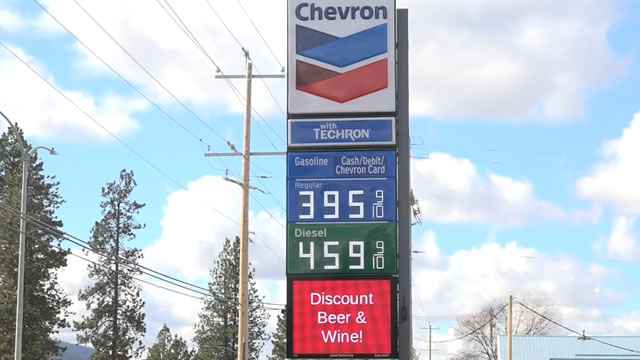
Chevron: $70 Oil Price Won't Last
Since my last writing, oil prices have suffered a sizable correction. The current oil price is too compressed in my view, creating a large bias for CVX's profits to expand. Key catalysts that can drive oil prices higher: The low level of the U.S. Strategic Petroleum Reserve and low overall crude stocks in the U.S.
Oil giant Chevron to lay off thousands in bid to cut up to 20% of global workforce
No 2 US oil firm aims for $3bn in cost cuts through 2026 and seeks to simplify business after production challenges


