



D.R. Horton, Inc. (DHI)







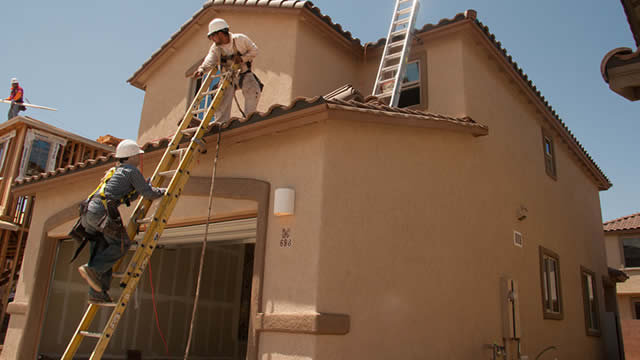
D.R. Horton: More Volatility Ahead After Resilient Q3 (Rating Downgrade)
D.R. Horton: More Volatility Ahead After Resilient Q3 (Rating Downgrade)
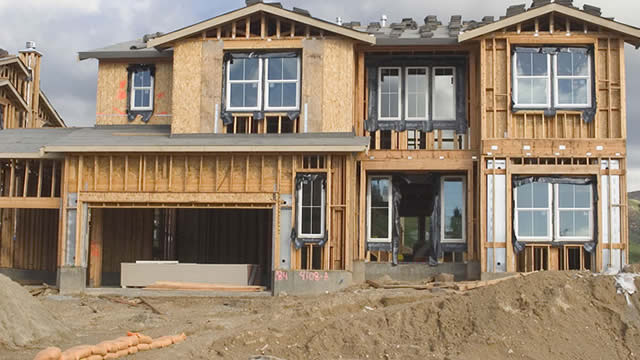
D.R. Horton's Q3 Earnings Beat on Higher Closings, Stock Up
DHI tops fiscal Q3 estimates as higher closings offset margin pressure, though cautious demand and elevated incentives prompt a guidance cut.

D.R. Horton, Inc. (DHI) Q3 2026 Earnings Call Transcript
D.R. Horton, Inc. (DHI) Q3 2026 Earnings Call Transcript
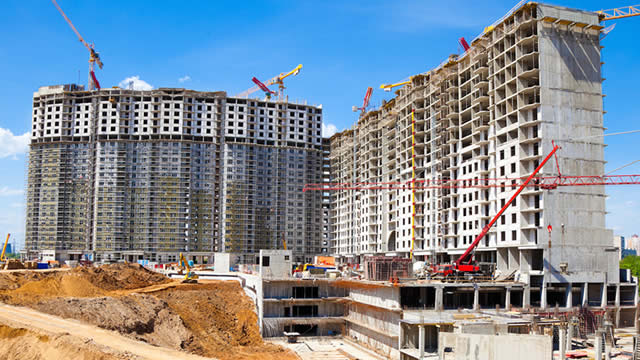
Compared to Estimates, D.R. Horton (DHI) Q3 Earnings: A Look at Key Metrics
While the top- and bottom-line numbers for D.R. Horton (DHI) give a sense of how the business performed in the quarter ended June 2026, it could be worth looking at how some of its key metrics compare to Wall Street estimates and year-ago values.

D.R. Horton Q3 Earnings Call Highlights
D.R. Horton NYSE: DHI reported lower third-quarter earnings from a year earlier as affordability pressures and cautious consumer sentiment continued to weigh on new-home demand, though the company said it maintained margins above its prior expectations through cost controls and disciplined pricing.
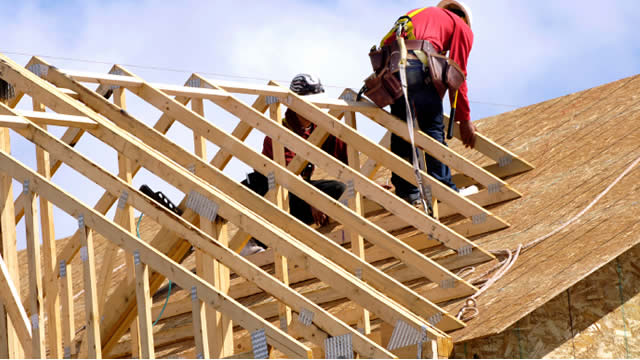
D.R. Horton (DHI) Q3 Earnings and Revenues Beat Estimates
D.R. Horton (DHI) came out with quarterly earnings of $3.2 per share, beating the Zacks Consensus Estimate of $2.99 per share. This compares to earnings of $3.36 per share a year ago.

D.R. Horton Lowers Revenue Guidance as Sales Come in Flat
The homebuilder cut its revenue outlook for the fiscal year as sluggish buyer demand and supply issues continue to weigh on builder sentiment
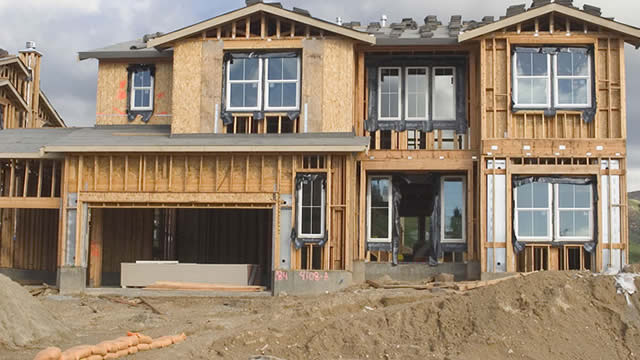
D.R. Horton's Q3 Earnings Preview: What Investors Must Know Now?
DHI's Q3 outlook points to higher home closings and backlog growth, while incentives and lower prices may pressure profits.
Seeking Clues to D.R. Horton (DHI) Q3 Earnings?
Beyond analysts' top-and-bottom-line estimates for D.R. Horton (DHI), evaluate projections for some of its key metrics to gain a better insight into how the business might have performed for the quarter ended June 2026.
D.R. Horton (DHI) Exceeds Market Returns: Some Facts to Consider
D.R. Horton (DHI) reached $151.55 at the closing of the latest trading day, reflecting a +1.04% change compared to its last close.

D.R. Horton Is Defying the Housing Gloom
As the most prolific homebuilder in the United States, D.R. Horton NYSE: DHI is battling a general market decline in new home sales and skittish buyers.
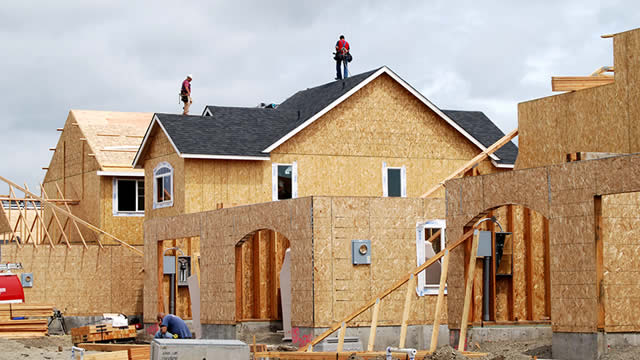
D.R. Horton (DHI) Stock Falls Amid Market Uptick: What Investors Need to Know
D.R. Horton (DHI) closed the most recent trading day at $164.23, moving 1.24% from the previous trading session.




