



Ford Motor Company (F)









Ford Issues Major Recall of 1.1 Million Vehicles Due to Rearview Camera Glitch
Ford models released across three years appear to have an issue affecting the usability of their rearview camera features.
Ford recalls 1 million vehicles over rearview camera glitch after dozens of driver complaints
A software error may cause the rearview camera image to delay, freeze or not display when the car is in reverse.
As new CEO takes over, Wall Street is expecting more from Stellantis than GM, Ford or Tesla
As Stellantis names insider Antonio Filosa to take over as chief executive, it turns out Wall Street is expecting more from the Jeep maker's stock price than any of its major rivals.
Ford recalls more than 1 million vehicles in the US, NHTSA says
Ford Motor is recalling 1,075,299 vehicles in the United States over an issue that may prevent the rearview camera from displaying images increasing the risk of a crash, the National Highway Traffic Safety Administration said on Wednesday.
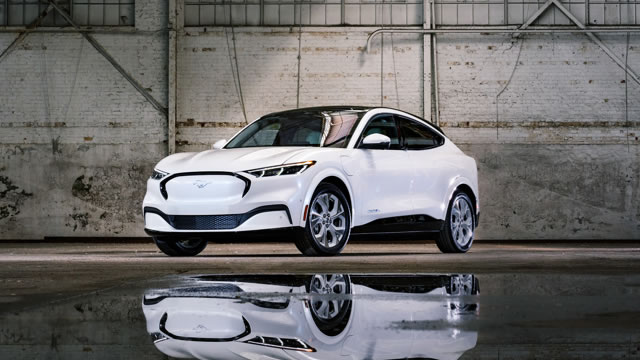
Another Ford Recall: Is CEO Farley on His Last Legs?
[00:00:04] Doug Mcintyre: So Lee, we've got another Ford Recall.

Ford accuses law firms of fraudulent overbilling, including a 57-1/2 hour workday
Ford sued several California lawyers and law firms on Wednesday, accusing them of fraudulently inflating their legal fees under that state's Lemon Law, including one instance where a lawyer allegedly billed 57-1/2 hours in one day.
Ford to share Kentucky battery plant with Nissan amid demand, tariff challenges
Ford Motor Company (NYSE:F) is allowing Nissan to use part of its battery manufacturing facility in Kentucky amid a slowdown in electric vehicle demand, according to a Wall Street Journal (WSJ) report. This Kentucky plant is one of two battery factories Ford launched in 2021 as part of a $7 billion investment in partnership with South Korea's SK On.
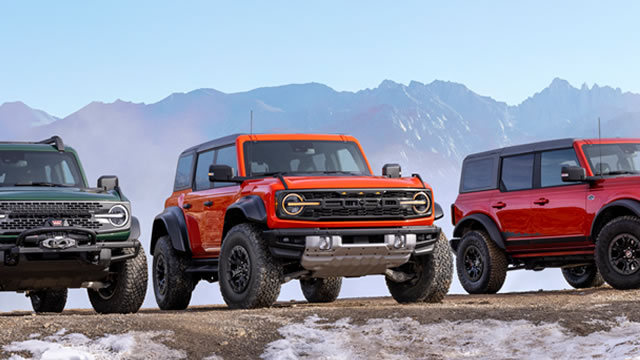
If You Invested $15,000 In Ford (F) 15 Years Ago, This Is How Much Cash From Dividends You Would Have Today
Due to the depreciation of its stock price in April, along with most of the rest of the market, Ford Motor Company finds itself slowly climbing back up as the market recovers.
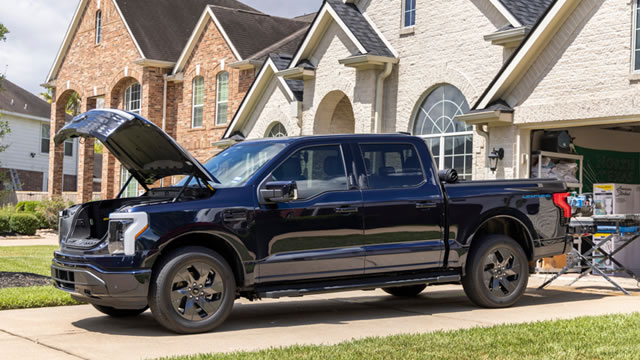
Ford's EV Retrenchment Deepens: Buy F Stock or Stay Away?
Ford shares battery plant with Nissan as EV demand cools. Tariffs bite, but Ford Pro shines.
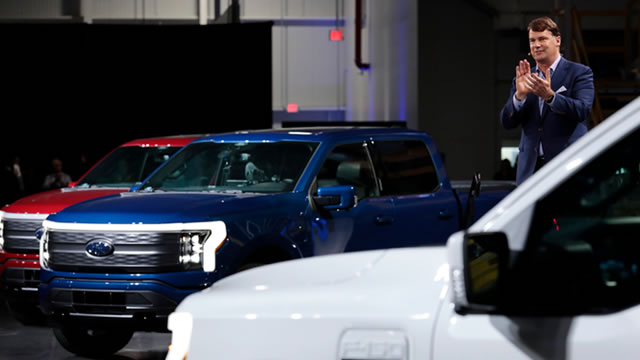
Ford Reputation Crushed in New Survey
Ford Motor Co. (NYSE: F) finished last among legacy car makers in a reputation survey published since 1999.
In Latest EV Pullback, Ford to Share Battery Plant With Nissan
A Kentucky battery factory will help the Japanese automaker defer tariff costs.
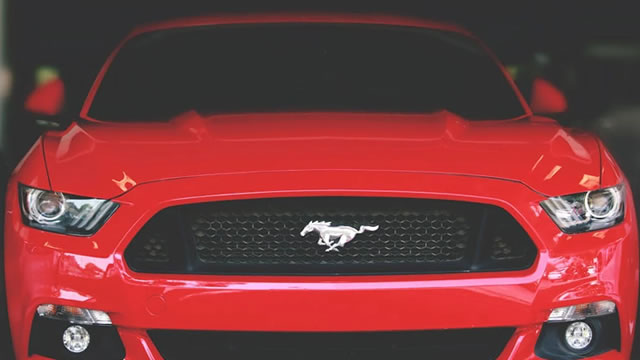
This $10 Stock Has a 7% Yield
Shares of the crippled Ford Motor Co. (NYSE: F) have traded between $9.35 and $10.80 during the past month.




