


Alphabet Inc (GOOG)





The Case For and Against Fidelity's Fundamental Large Cap Growth ETF
Fidelity's actively managed large cap growth fund is doubling down on AI chips and a single search giant, creating a portfolio where two companies can make or break your returns.

Meta Vs. Alphabet: The Agentic AI Each Builds Will Be Very Different in 2027
Alphabet and Meta both reported blockbuster AI quarters, but their agent strategies point in opposite directions, and only one of them looks like a safer bet heading into 2027.

Google Plans To Launch Mini Data Center Into Space Next Week As Part Of Project Suncatcher's Bid For A Market Projected To Hit $28.16 Billion
Google's first orbital data center will fit in a kitchen. Ars Technica reports that the first Project Suncatcher test satellite, dubbed MVP and about the size of a refrigerator, launches October 1.

OpenAI, Google and Anthropic Join Forces to Set AI Safety Standards
Anthropic, Google and OpenAI aim to launch a standards body focused on artificial intelligence (AI) by the end of this year or early next year, The Information reported Thursday (Sept. 24), citing unnamed sources.

Alphabet Drops Below $350: Buying Opportunity or the Start of Something Worse?
Alphabet shed 3.8% in a single session with no earnings warning, no guidance cut, and no regulatory news to explain it.

Google, OpenAI and Anthropic move closer to AI safety standards body
Google, OpenAI and Anthropic are closer to setting up a proposed independent body to develop standards for frontier artificial intelligence (AI), as debate intensifies over how the technology should be regulated. The Information reported that the safety group is taking shape, with the three companies tentatively calling the organization the Standards Authority for Frontier AI (SAFA).
Alphabet: Something Big Is Coming
Alphabet (GOOG/GOOGL) is transitioning from an ad-centric model to a major AI chip and cloud provider, with TPU hardware sales driving future growth. TPU-related cloud revenue is expected to accelerate, supported by multi-billion-dollar customer contracts and a $514 billion cloud backlog already booked. Regulatory risks are diminishing, with recent court decisions averting forced divestitures, while search market share and AI integration remain robust.
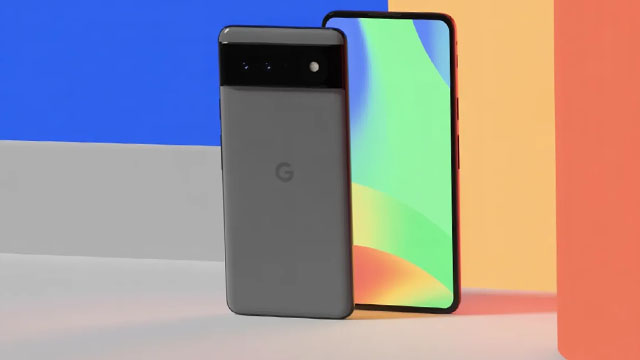
Google tests letting Gemini call businesses for you
With AI agents like Meta's Muse and Instinct now able to make calls on users' behalf, Google is now letting Gemini call businesses with a new feature called “Call for Me.”
Alphabet: The Gemini-Cloud Divergence Hides A $1 Trillion Opportunity
Meta Platforms' recent debut of its Muse Spark 1.3 frontier model and Muse agent has renewed concerns about Gemini's competitiveness amid Alphabet Inc.'s protracted underperformance. However, Google Cloud Platform's increasingly model-agnostic infrastructure remains competitively positioned to capture accelerating agentic inference demand at superior economics. Meanwhile, Gemini's increasingly Android-like distribution strategy also supports expanding application-level monetization, despite intensifying competition from rival standalone frontier models.

Why Cathie Wood Is Trimming the World's Biggest Tech Stock to Bet on a Space Company
ARK Invest just rotated out of the world's most valuable company to load up on a loss-making space startup trading at 58 times sales. The reasoning reveals something important about how ARK thinks the next decade of infrastructure gets built.
Google Is Sending an A.I. Data Center to Outer Space
Next Thursday, Google is sending an experimental satellite into orbit that will have enough computing power to answer simple A.I. queries from space.
Can Tech Companies Like Google Really Put Data Centers in Space?
Google is preparing to launch a satellite that can run its A.I. technologies from the heavens.


