



Alphabet Inc (GOOG)











Google Introduces Gemini Omni, a Multimodal AI That Knows the World
Starting with video, Omni will eventually be able to create any output from any input.
Google Search Is Getting an AI-Heavy Makeover
Google is handing more of Search over to AI with new features announced today at the Google I/O conference in California.
Google's New Gemini AI Model and Tools Are All About Agents Now
Gemini 3.5 Flash, Gemini Spark and a reimagined Antigravity are designed to use AI to actually do things.
Google Expands AI Identification Tool to Chrome and Search
Gemini can search for an invisible watermark on AI-generated images, videos and audio -- including OpenAI content, under a new partnership.

Google's Genie world model can now simulate real streets with Street View
We've all pulled up Street View on Google Maps to show a friend what our childhood home looked like, or dropped that little person icon onto the streets of Paris to see if we booked a hotel in a cool neighborhood. Imagine being able to do that, but in a more immersive, interactive way that allows you to really simulate the street and its environs, and even do things like adjust the weather or see what it would look like in a “Day After Tomorrow” scenario.
With Gemini 3.5 Flash, Google bets its next AI wave on agents, not chatbots
Google launched on Tuesday Gemini 3.5 Flash, a new AI model that the company says is its strongest yet for coding and autonomous AI agents. The model, which was introduced at the company's annual I/O developer conference, can independently execute coding pipelines, manage research projects, and, in internal tests, build an operating system entirely from scratch.
How to use Google's new information agents
At the 2026 Google I/O keynote, the tech giant revealed new agentic capabilities in Search, where users can create, customize, and manage multiple AI agents to stay updated on topics of interest. The announcement is part of Google's larger push toward agentic AI systems that can take initiative and assist with ongoing tasks instead of only answering one question at a time.

Google debuts new AI models, personal AI agents in effort to keep pace with OpenAI and Anthropic
Google is showcasing Gemini 3.5 Flash, a lighter-weight addition to its suite that offers cutting-edge capabilities. The company announced a new world model called Omni.
How Google Is Starting to Win the A.I. Race
Despite its early stumbles, Google's Gemini has leapfrogged ChatGPT in relevance and usefulness. Soon, it will be ubiquitous.
Google's Gemini Omni turns images, audio, and text into video — and that's just the start
When Google launched Gemini three years ago, the goal was to build a multimodal large language model — a single neural network that was trained on text, image, audio, and video and could generate content in any of those formats.
Google introduces Gemini Spark, a 24/7 agentic assistant with Gmail integration
In the race to build compelling personal AI agents, Google may have an underrated advantage: it already has all your emails.
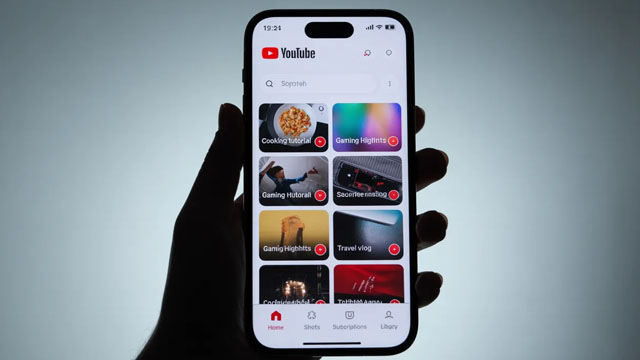
Google just declared itself a contender in AI design
Google announced at its annual I/O event on Tuesday that it's launching Pics, a new AI-powered design and image generation app for Google Workspace. The tech giant says it designed the app to be accessible to everyone, from teachers to small business owners.




