



Hudbay Minerals Inc. (HBM)






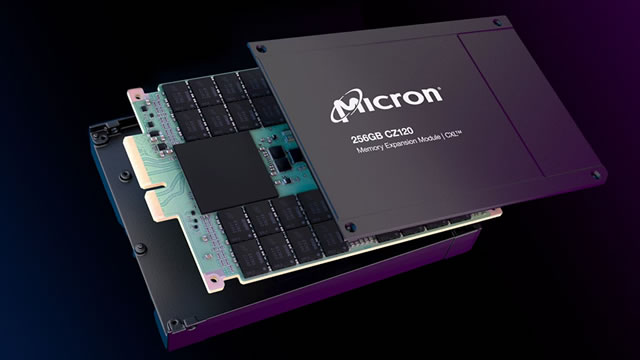
Micron Technology: HBM Sold Out For 2026, Wall Street Is Still Underpricing
Micron Technology, Inc. is rated Strong Buy, with a $500 price target, reflecting a structural shift from cyclical DRAM to AI-driven HBM dominance. MU's entire 2026 HBM production is sold out under binding contracts, providing unprecedented revenue visibility and margin expansion, with Q2 FY2026 guidance at 68% gross margin and $8.42 EPS. Valuation remains compressed at 10-12x FY2026 EPS, despite record growth and profitability metrics more akin to software or platform companies than commodity memory peers.

Micron: A Pound-The-Table Moment Ahead Of Q2
AI infrastructure is dramatically increasing memory intensity, with modern AI servers requiring multiple terabytes of DRAM and hundreds of gigabytes of HBM, a structural shift that is driving much stronger. HBM supply remains structurally tight, controlled by a small group of suppliers and largely booked through 2026. MU trades at elevated revenue multiples ahead of Q2 earnings, reflecting market expectations of a cyclical peak, but HBM's growing revenue mix could drive further upside.

Micron: Vera Rubin HBM4 Fears Mas A Bullish Earnings Setup
Micron Technology, Inc.'s HBM4 has allegedly been dropped from the supplier list for Nvidia's next-generation Vera Rubin accelerators based on Korean media outlet reports over the weekend (March 8). This follows early-February HBM4 delay claims, which left MU stock pressured despite management's rebuttal and confirmation that shipments have commenced a full quarter ahead of schedule. Management has also reiterated that 2026 HBM supply is already sold out, reinforcing durable demand and favorable pricing visibility into next year.

Micron Bulls Are About To Meet Samsung's HBM4 Memory Chip (Rating Downgrade)
I am downgrading Micron Technology to hold ahead of the Q2 FY26 print. In my view, Samsung's HBM4 production ramp poses a downside catalyst that could pressure MU's market share and forward guidance even in a memory supply-constrained environment. After a 215% run since last summer, Micron now needs consistent beat-and-raise quarters. However, even this may not be enough given the current macro backdrop (remember NVDA last week).

Micron's AI Supercycle Accelerates
Micron's HBM4 enters high-volume production in Q1-2026, earlier than expected, delivering speeds above 11Gb/s and strengthening hyperscaler demand. HBM3E memory offers roughly 30% lower power consumption than competitors, while LPDRAM reduces server memory energy usage by nearly 60%. AI infrastructure demand pushed Micron's data center SSD business to a $1 billion run rate as server growth accelerates into high-teens percentages.

Compared to Estimates, HudBay Minerals (HBM) Q4 Earnings: A Look at Key Metrics
The headline numbers for HudBay Minerals (HBM) give insight into how the company performed in the quarter ended December 2025, but it may be worthwhile to compare some of its key metrics to Wall Street estimates and the year-ago actuals.

HudBay Minerals (HBM) Misses Q4 Earnings and Revenue Estimates
HudBay Minerals (HBM) came out with quarterly earnings of $0.22 per share, missing the Zacks Consensus Estimate of $0.4 per share. This compares to earnings of $0.18 per share a year ago.
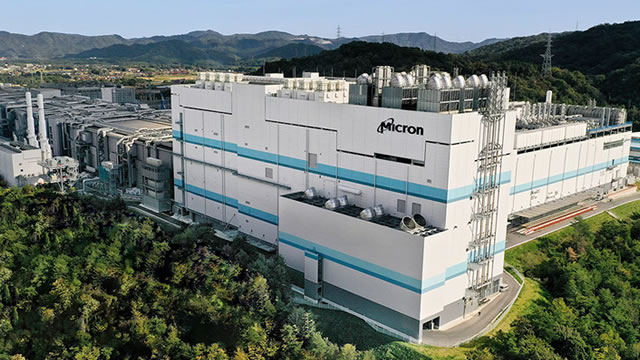
Micron: The Setup Into 2027
Micron is upgraded to Strong Buy, driven by underappreciated operational levers beyond the widely recognized AI demand and HBM supply constraints. Management is pointing output to high-margin segments, notably HBM and data centers, and is structurally expanding gross margins, supporting further upside. Capex is becoming more productive, with capex as % of revenue down, free cash flow margins are near 30%, and CHIPS incentives are reducing the cash cost of new fabs.

HBM to Report Q4 Earnings: What's in Store for the Stock?
HudBay Minerals gears up for Q4 results with earnings seen soaring 122% as higher revenues, cost cuts and gold strength shape the outlook.
Nvidia: Robust Growth Outlook With Minimal Supply Disruption Risk
Nvidia Corporation's data center segment growth, driven by hyperscaler capex, underpins a higher revenue and EBITDA forecast, supporting the bullish thesis. NVDA's supply chain is well-positioned, with secured HBM4 allocations and multi-year reservations for advanced nodes and CoWoS capacity at TSMC. Key supply risks, including HBM and foundry price hikes, are acknowledged but expected to have limited impact on NVDA's near-term growth outlook.

HudBay Minerals (HBM) Earnings Expected to Grow: Should You Buy?
HudBay Minerals (HBM) doesn't possess the right combination of the two key ingredients for a likely earnings beat in its upcoming report. Get prepared with the key expectations.

Samsung Begins Shipments of HBM4 Products
The South Korean technology giant said Thursday that it is the world's first to mass produce and ship the industry's highest-performance HBM4 products.




