



Intel Corporation (INTC)















Intel's foundry future depends on securing a customer for next-gen chipmaking tech
Intel warned investors on Thursday that it may have to get out of the chip manufacturing business if it does not land external customers to make chips in its factories.

Intel Corporation (INTC) Q2 2025 Earnings Call Transcript
Intel Corporation (NASDAQ:INTC ) Q2 2025 Earnings Conference Call July 24, 2025 5:00 PM ET Company Participants David A. Zinsner - Executive VP & CFO John William Pitzer - Corporate Vice President of Corporate Planning & Investor Relations Lip-Bu Tan - CEO & Director Conference Call Participants Aaron Christopher Rakers - Wells Fargo Securities, LLC, Research Division Benjamin Alexander Reitzes - Melius Research LLC Joseph Lawrence Moore - Morgan Stanley, Research Division Ross Clark Seymore - Deutsche Bank AG, Research Division Stacy Aaron Rasgon - Sanford C.
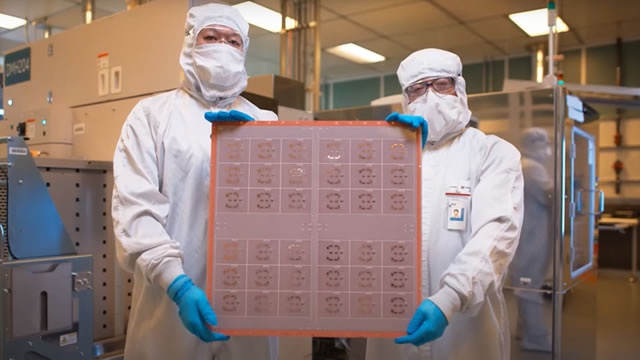
US chipmaking nears death: Intel warns it may give up on cutting-edge chips
Intel may halt development of its next-gen chip, 14A, due to financial concerns. The 14A chip has been crucial for Intel to compete with Taiwan's leading chipmaker, TSMC.
Intel: Handling A Hard Situation Well
Intel Corporation's Q2 '25 results beat Street estimates; margins are still hurting, but CEO Tan is cutting aggressively, and 18A is on track. Tan is being transparent about the impact of the tariff pullback on sales and his desire to reduce underutilized fabs without confirming demand. This is a good approach because it keeps expectations manageable and buys more time to lead up to 18A.

Intel Expects Work Force to Shrink by 25,000
The Silicon Valley chip company, which has been struggling, quantified the job cuts it is making as it seeks to turn its business around.

Intel earnings tell two stories, as revenue impresses but losses pile up from restructuring
The chip maker's stock was struggling for direction after mixed results and guidance.
Intel reports Q2 revenue beat, cancels projects to reduce costs
Intel Corp (NASDAQ:INTC, ETR:INL) reported mixed earnings for the second quarter, with revenue ahead of Wall Street estimates as profits were impacted by one-time charges. Revenue for the quarter was $12.9 billion, flat year-over-year and above estimates of $11.87 billion.
Intel to slash thousands of job by year-end as chipmaker issues bleak forecast
The Santa Clara, Calif.-based chipmaker disclosed the layoff goals as it forecast steeper third-quarter losses than Wall Street estimates.
Intel beats on revenue, issues better-than-expected forecast
Intel reported second-quarter results on Thursday that beat Wall Street expectations on revenue, as new CEO Lip-Bu Tan announced significant cuts in chip factory construction. In a memo to employees, Tan said that the first few months of his tenure had "not been easy.
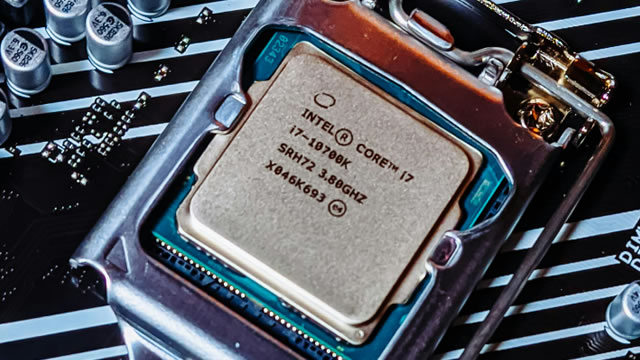
Intel to Lay Off 15% of Workers, Cancel Billions in Projects in Bid for Rebound
The American chip-making giant is facing a strategic crossroads as it chases rivals like Nvidia and TSMC in the global silicon boom.
Intel Q2 seen beating expectations, but outlook clouded by cost cuts and competitive pressures
Intel Corp (NASDAQ:INTC, ETR:INL) is expected to report better-than-anticipated second-quarter results after the bell tonight, helped by tariff-related pull-ins and a favorable product mix, according to Bank of America analysts. “Q2 CPU [is] likely in-line to better on tariff related pull-ins,” the analysts wrote, though they cautioned that second-half results could disappoint as those benefits unwind.
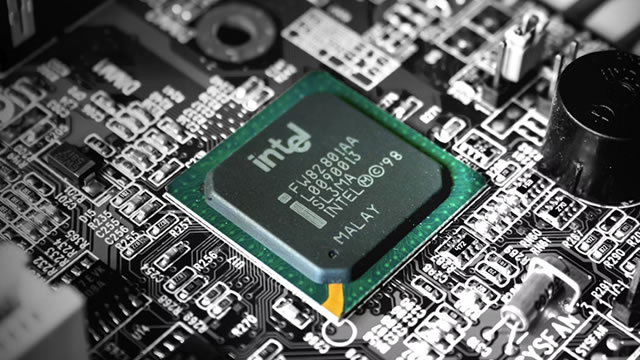
INTC All About the Future: CEO Commentary, Foundry & Cost Cutting in Focus
While Intel's (INTC) earnings for the quarter aren't expected to bring fireworks, Marley Kayden says investors will be laser-focused on the company's path forward. She notes commentary from CEO Lip-Bu Tan and how he plans to lead the company out of a deficit will be what drive shares.




