



Intel Corporation (INTC)














Intel Corporation: Poised For Long-Term Breakout, Here's My Option Collar
Intel Corporation now offers an attractive risk/reward profile, but only when protected by an option collar due to ongoing volatility and fundamental risks. Profitability and valuation grades have improved, signaling early-stage recovery, while technical analysis shows signs of price stability and a washed-out long-term chart. My personal strategy involves buying INTC shares, selling covered calls, and buying puts, creating a 4:1 upside/downside ratio and limiting risk without capping reasonable upside.

Intel vs. NVIDIA: Which AI-Focused Chip Stock is the Better Buy?
NVIDIA's AI-driven growth outpaces Intel's, but a lower valuation keeps INTC in the race for investor attention.
Intel (INTC) Suffers a Larger Drop Than the General Market: Key Insights
In the most recent trading session, Intel (INTC) closed at $21.08, indicating a -1.91% shift from the previous trading day.
Intel's Turnaround Strategy Shifts From Planning to Attack Mode
There has been a shift in momentum in Intel Corporation's NASDAQ: INTC recent trading activity. The stock showed renewed strength this week, reaching an intraday high of $21.58 on June 18, before closing at $21.49, marking a gain of over 3% for the day.

The 2nm Race: Intel's 18A Faces Uphill Task Against TSMC
Intel (NASDAQ:INTC) has been fully committed to transforming itself into a global foundry leader, especially as the competition for next-generation 2-nanometer (nm) chips intensifies with its 18A process at the heart of its strategy. Over the last four years, the company has poured more than $90 billion into capital expenditures aimed at expanding its foundry operations and narrowing the gap with TSMC and Samsung.
Intel set to lay off around 10,000 workers — despite getting $2.2B in CHIPS Act funds under Biden
The anticipated reductions are scheduled to begin in weeks and will reportedly affect Intel Foundry, the company's manufacturing division.
Intel Corporation (INTC) is Attracting Investor Attention: Here is What You Should Know
Intel (INTC) has received quite a bit of attention from Zacks.com users lately. Therefore, it is wise to be aware of the facts that can impact the stock's prospects.
Intel Stock's Make-Or-Break Catalyst Approaches
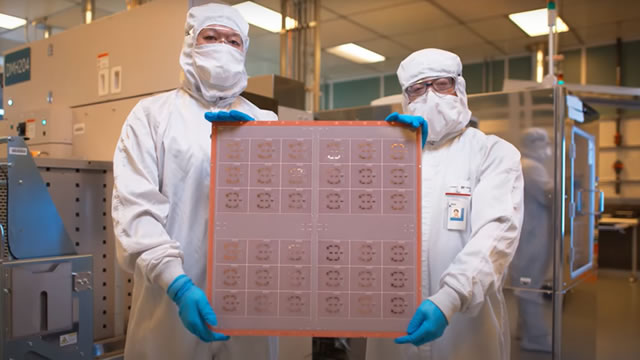
Intel has undergone major changes in recent months. New CEO Lip-Bu Tan is cutting costs aggressively as the company prepares for the ramp of its upcoming 18A process node. Despite near-term uncertainty, INTC's valuation remains attractive, with significant upside if 18A delivers as planned.
Intel to cut manufacturing jobs in July as CEO Tan reshapes strategy
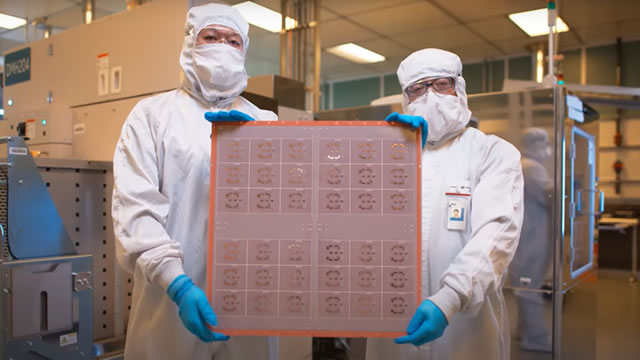
Intel Corp (NASDAQ:INTC, ETR:INL) is preparing to implement substantial job cuts at its manufacturing sites beginning in mid-July, marking the company's first major workforce reduction since CEO Lip-Bu Tan took the helm in March. The layoffs, expected to conclude by the end of the month, are part of a broader restructuring effort aimed at streamlining operations and sharpening Intel's competitive edge in the global semiconductor industry.
Intel's Price Spikes: Noise, or the First Notes of a Turnaround?
Intel Corporation NASDAQ: INTC has given investors a front-row seat to a market in conflict. The stock demonstrated significant volatility during the second week of June, surging nearly 8% on Tuesday before retreating by more than 6% on Wednesday, followed by another attempted rally during the trading day on Thursday.
The Only Remedy for Intel's Woes May Be a Breakup
A chip-manufacturing spinoff could help solve some of the company's thorniest issues.
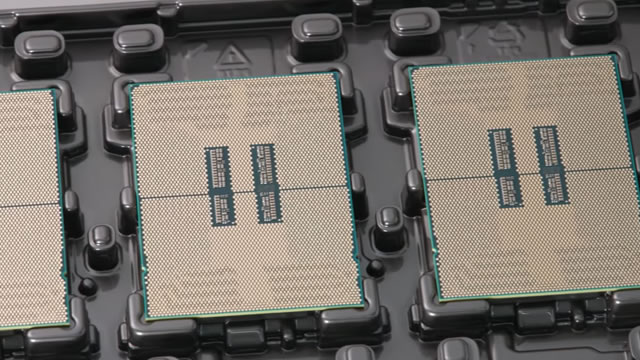
Intel XEON 6 Gaining Solid Market Traction: Will the Uptrend Persist?
INTC gains traction with Xeon 6 in AI and high-performance computing, despite competition from AMD and Arm.




