



Intel Corporation (INTC)














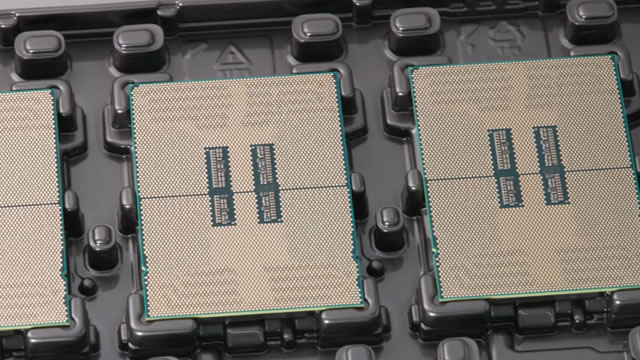
The Semiconductor Big Dogs Are Eyeing Intel's Foundry Business, Sending Shares Higher
Shares of Intel (NASDAQ:INTC) are up 4% heading into midday trading Wednesday on reports that the world's leading contract chipmaker, Taiwan Semiconductor Manufacturing (NYSE:TSM), has proposed a groundbreaking joint venture with U.S.
Intel Stock: Rebounds On TSMC JV Buzz - But Is It Enough To Reverse The Slide?
Intel stock jumps 5.36% on reports of a TSMC joint venture, but the stock remains in a strong downtrend.
Trump admin lifts pause on intel, aid as Ukraine agrees to 30-day ceasefire proposal
Former Trump Deputy National Security Advisor Victoria Coates on Ukraine agreeing to a ceasefire proposal, the canceling of federal funding to Columbia University, the results of Greenland's election and her upcoming trip to the Panama Canal. #foxbusiness
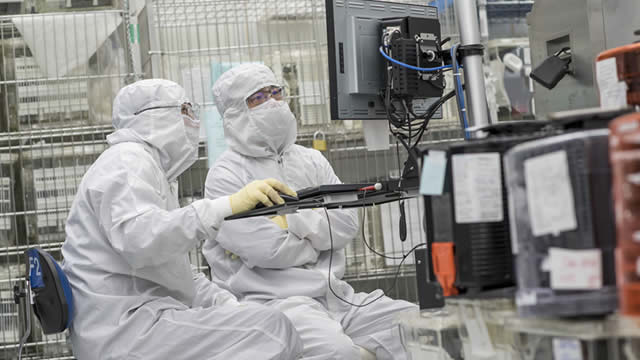
Intel Stock Rises. TSMC Wants Nvidia, Broadcom to Help Run Chip Foundries: Report.
Taiwan Semiconductor Manufacturing has pitched Nvidia and rival chip designers Advanced Micro Devices and Broadcom the idea of taking stakes in a joint venture to operate Intel's chip-fabrication operations, it was reported.
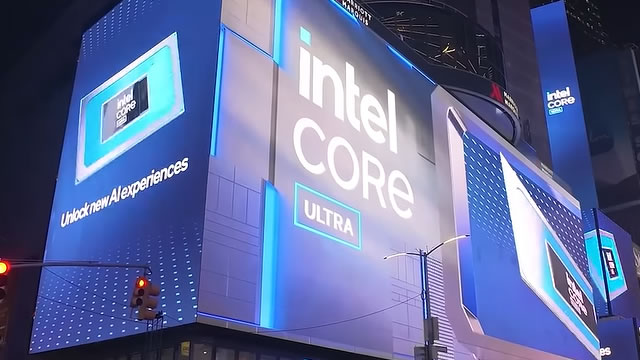
Intel's stock is climbing. Here's the latest hope for a rescue.
Reuters reports that TSMC has approached Nvidia, Broadcom and others about a JV that would run Intel's factories. But that arrangement would face some roadblocks.
Delays and uncertainty dog Intel's dream of Rust belt manufacturing hub
The company is hanging on by a thread amid rumors it may be broken up and sold – an instability keenly felt in Ohio
Exclusive: TSMC pitched Intel foundry JV to Nvidia, AMD and Broadcom, sources say
TSMC has pitched U.S. chip designers Nvidia , Advanced Micro Devices and Broadcom about taking stakes in a joint venture that would operate Intel's factories, according to four sources familiar with the matter.
Intel Corporation (INTC) Is a Trending Stock: Facts to Know Before Betting on It
Recently, Zacks.com users have been paying close attention to Intel (INTC). This makes it worthwhile to examine what the stock has in store.
What Insight Does the Latest Semiconductor Industry Data Offer?
Strong demand by hyperscalers, CSPs, AI, Auto, industrial and data center customers are fueling robust sales of semiconductors.
Did Taiwan Semiconductor Just Say "Checkmate" to Intel?
During President Biden's tenure in the Oval Office, his administration made it a point to boost investment in domestic manufacturing. One of the administration's accomplishments came in 2022, when Biden signed the CHIPS and Science Act -- a law that seeks to invest $280 billion into research and development and semiconductor manufacturing here in the U.S.
An Intel deal now seems less likely. These clues may hold the key to its future.
Investors appear to be now be discounting recent M&A speculation that Intel will split in two.
These Were the 2 Top-Performing Stocks in the S&P 500 in February 2025
February wasn't the best month for the S&P 500. The stock market's most followed (and important) index finished the month down 1.42%, lowering its year-to-date return through February to 1.24%.




