



Intel Corporation (INTC)













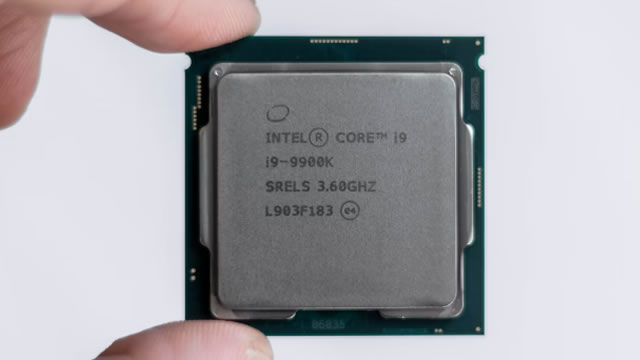
Intel's Big Day
Are we poised for a long-term turnaround in Intel Corporation stock? Significant improvements started in H2 2024 and are likely to ramp in 2025. Leadership changes, cost controls, and strategic investments, including in data centers and AI, are key drivers for future growth and margin improvements. We have a bull take here, above consensus, as a massive day approaches.
Qualcomm Is Going After Intel and AMD in This Lucrative Market
The server CPU market has long been dominated by Intel (INTC 2.71%) and AMD (AMD 3.33%). Both companies make chips based on the x86 architecture.
Why Intel Stock Fell 60% in 2024
Shares of Intel (INTC 1.98%) plunged 60.1% lower in 2024, according to data from S&P Global Market Intelligence. The semiconductor veteran ran into many issues last year, and the string of bad luck started many years ago.
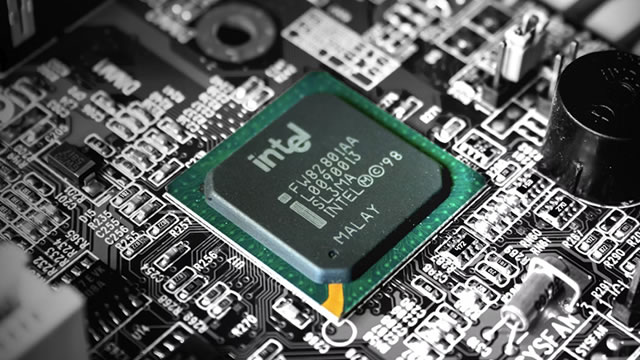
Will INTC's Plan to Spin Off Venture Capital Arm Buoy the Stock?
Intel Capital's spin-off is probably another initiative by INTC to focus on core operations and free up capital to fuel growth.
Investors Heavily Search Intel Corporation (INTC): Here is What You Need to Know
Recently, Zacks.com users have been paying close attention to Intel (INTC). This makes it worthwhile to examine what the stock has in store.
This is ‘disturbing but not a surprise' from China: Former intel exec
Former Pentagon intelligence senior executive Charles Beames joins 'Mornings with Maria' to discuss China preparing to invade Taiwan and Pete Hegseth's Senate confirmation hearing.
Intel Stock Falls. It's Offloading Venture Capital Unit Amid Shakeup.
The semiconductor maker has fallen behind rivals such as Nvidia, AMD, and TSMC.
Intel to turn venture arm into separate firm with new name
Intel Corp., the once-dominant chipmaker struggling to revive its business and finances, plans to turn its venture capital arm into a separate fund with a new name.
Here's Intel's latest turnaround move
Struggling chipmaker Intel is taking another step in its efforts to retool itself as it said it's going to spin out its venture-capital arm.
Intel to spin off venture capital arm as chipmaker continues to restructure
Intel said on Tuesday that it plans to spin off Intel Capital, its venture capital wing, into an independent firm. The move will allow Intel Capital to raise money from outside investors, the company said, and will likely bring with it a new name.
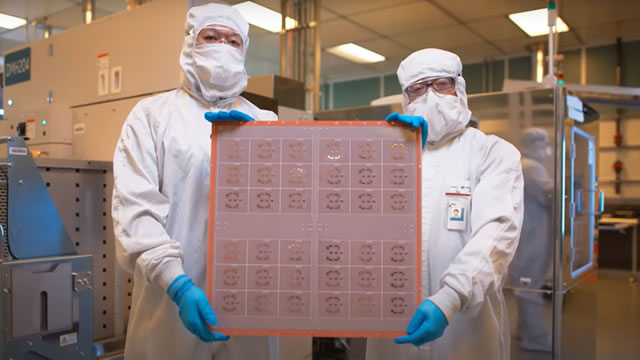
Intel to spin off its venture capital arm
Chipmaker Intel Corp said on Tuesday that it will separate its venture capital and investment arm, Intel Capital, into a standalone company, to focus on enhancing efficiency across the business.
Intel to Separate Venture Capital Arm Into Standlone Investment Fund
The chip maker said it will remain an investor in Intel Capital, founded in 1991 with over $5 billion in assets under management.




