



Intel Corporation (INTC)














Intel: Too Expensive Despite The Fast Growth
Intel delivered its fastest growth in 15 years, with Q2 revenue up 25% and significant margin expansion in Data Center and AI. INTC has implemented three PC CPU price hikes in a year, prioritizing margin over volume, despite PC TAM guidance for 2026 being down double digits. Foundry remains heavily internal, with external revenue only 5% of segment total; material external customer commitments are not expected before 2028.
Why Micron Stock Is Rising as Intel CEO Issues Memory-Chip Warning
Micron stock was gaining after Intel CEO Lip-Bu Tan highlighted soaring memory prices.
Why are Intel and AMD stocks rising on Wednesday?
Intel and AMD stocks jumped on Wednesday as investors responded to developments across the semiconductor industry, from a potential US memory manufacturing deal involving Intel to upbeat forecasts for long-term chip demand and a positive update on AMD's product ramps. Intel stock INTC rose about 4.5% after Reuters reported that South Korean memory-chip maker SK Hynix was in talks with Intel over a potential arrangement that could see it manufacture memory chips on US soil for the first time.
Intel and SK Hynix Stocks Climb on Report of Potential US Chipmaking Partnership
Investors are sending shares of a pair of semiconductor giants higher in the wake of a report they could soon strike a chipmaking deal in the U.S.
Why Intel (INTC) is a Top Momentum Stock for the Long-Term
Whether you're a value, growth, or momentum investor, finding strong stocks becomes easier with the Zacks Style Scores, a top feature of the Zacks Premium research service.
Intel, SK Hynix Stocks Soar on Rumored U.S. Partnership
Intel Corp (NASDAQ:INTC) stock is up 7.2% to trade at $104.13 this morning, after Reuters reported South Korean chipmaker SK Hynix (SKHY) was in exploratory talks with Intel to manufacture its memory chips in the U.S. Intel's Ohio facility would be leased, though no final decision has been made.
Wall Street analyst updates Intel stock price target
Even after Intel's (NASDAQ: INTC) massive run in 2026, one Wall Street analyst argues the stock remains undervalued.
SK Hynix reportedly in talks with Intel to build memory chips in US
South Korean memory chip giant SK Hynix is in discussions with Intel to manufacture RAM chips in the U.S. for the first time, Reuters reported, citing anonymous sources.
5 Things to Know Before the Stock Market Opens on Wednesday
Stock futures are higher after two days of losses for major indexes as traders await the Federal Reserve's decision on interest rates; the Fed is widely expected to raise its benchmark interest rate for the first time in three years to tame inflation; the European Union could add Canada as an “associate member” amid the country's growing trade war with the Trump administration; shares of SK Hynix and Intel are climbing following a report that the companies could partner to build chips in the U.S.; and retail sales data is due this morning. Here's what you need to know today.
Intel Rises 4%, SK Hynix Climbs 3% on Reports of Talks to Make Memory Chips at Ohio Campus; Micron Holds Flat
Shares of Intel (NASDAQ:INTC | INTC Price Prediction) are trading higher early Wednesday after Reuters reported the chipmaker is in talks with a Korean memory partner about producing memory chips at Intel's Ohio campus.
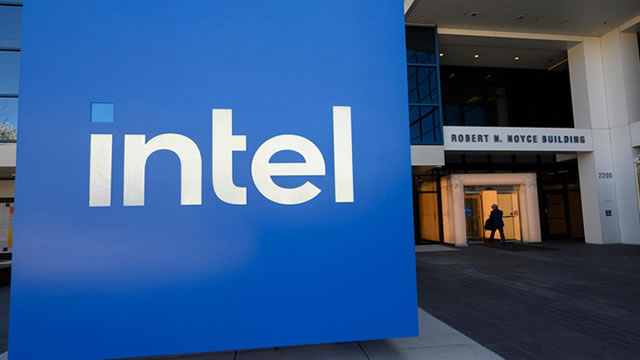
Intel's stock rises as investors hope memory chips can mark the next step in its turnaround
Intel traces its origins to memory chips before it got out of that business due to poor economics. But with memory chips hot again, investors are hopeful that Intel can get back in on the action.

Wall Street Breakfast Podcast: SK Hynix Eyes U.S. Memory Play-Report
SK Hynix (SKHY) is reportedly exploring U.S. memory chip manufacturing, potentially via a partnership or leasing arrangement with Intel (INTC) in Ohio. Talks between SKHY and INTC remain exploratory, with potential opposition from Seoul and no decisions finalized on structure or location.




