



Intel Corporation (INTC)















Intel Climbs 3% on Chip Price Hike Report a Day After Piper Sandler Went Neutral; AMD Rises 2%, Taiwan Semiconductor Drifts
Intel (NASDAQ:INTC | INTC Price Prediction) shares are climbing in early Friday trading after a report that the chipmaker is preparing to raise prices on selected personal computer processors. Shares are up 3% to $103.

Why the driverless company Intel controls just bet on a Florida shuttle startup
Mobileye is losing money, trading below book value, and largely absent from Intel's investor pitch, yet it just led a venture round for a Florida shuttle startup with ambitions far beyond Orlando.

Investors Should Know Exactly What to Do With Intel
Intel stock has surged over 300% in a year while losing billions on a GAAP basis, and the next two earnings reports will determine whether $100 is a launchpad or the ceiling investors should have sold into.

Micron Stock Slips as Intel-Backed Start-up Takes Aim at Memory-Chip Market
Micron stock was dropping Thursday. Kepler Computing, backed by Intel, thinks it can disrupt the memory-chip market.

Stanley Druckenmiller sold Intel and Micron to buy these two stocks
Not many portfolio adjustments draw as much scrutiny across Wall Street as those from billionaire Stanley Druckenmiller. The former George Soros protégé has compiled an unmatched record running Duquesne Capital, compounding returns above 30% annually over nearly three decades without a single losing year.

Why Intel stock is sinking around 6% on Thursday
Intel stock fell on Thursday, putting the shares on track to end a five-session winning streak after gaining more than 20% during the run. The INTC stock was down around 6% to trade near the $100 mark.

Intel Sinks 6% as Profit Taking Hits a Parabolic Run; NVIDIA and AMD Retreat 3%
Shares of Intel (NASDAQ:INTC | INTC Price Prediction) are down 6% to $99.67 in early Thursday trading.
Monolithic vs. Intel: Which Chip Stock Has a Better Upside?
MPWR appears better placed than INTC to capitalize on AI infrastructure growth, with strong sales and EPS estimates despite a richer valuation.
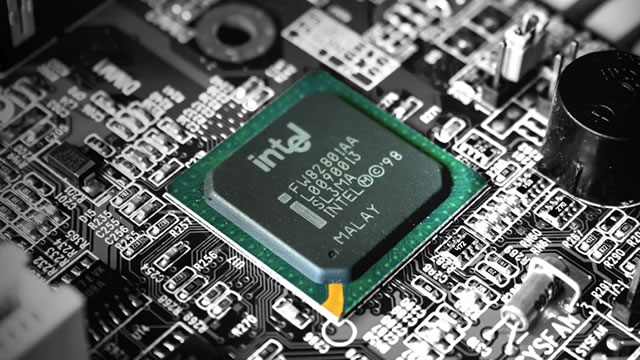
Intel Jumped, But The Reason Behind It Doesn't Add Up
Intel Corporation maintains a Buy rating as robust AI-driven demand secures multi-year supply agreements and underpins revenue visibility. INTC raised $22.6 billion via equity, avoiding further debt and fully funding new fabrication plants, with dilution offset by prudent capital allocation. Forward EV/EBITDA has risen to 25.83x, reflecting a 16% share price increase and 4.8% dilution, but valuation remains justified by data center margin recovery.
Intel May Raise Chip Prices 10% and the Stock Took Off. Why Most Analysts Still Refuse to Buy.
Intel's stock has surged to levels that leave Wall Street's analyst community unmoved, and the gap between what traders are betting on and what the fundamentals actually show keeps widening in ways that matter.
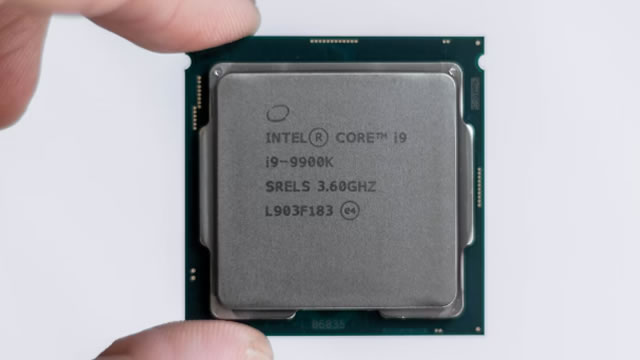
Intel (INTC) Advances While Market Declines: Some Information for Investors
Intel (INTC) closed the most recent trading day at $106.23, moving +1.68% from the previous trading session.
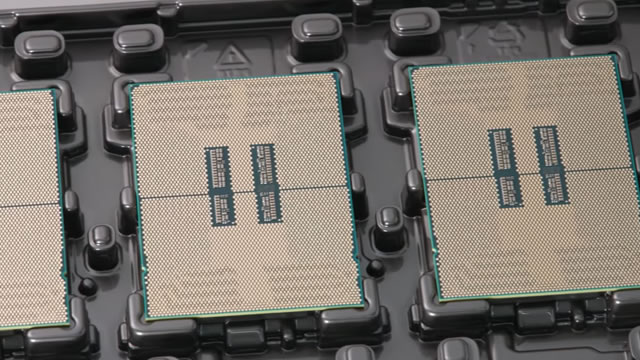
Prediction: Intel Stock Will Double on This Date
Intel shares have surged over 300% in the past year, yet Wall Street remains skeptical and the stock sits nearly 20% off its peak.




