



Intel Corporation (INTC)














How Intel Stock Falls To $10
Intel stock (NASDAQ:INTC) has barely moved this year, up just 2%, as the company continues to struggle with shrinking relevance in its core CPU market and underwhelming progress in its foundry ambitions, despite investing over $50 billion in the space. Revenue has collapsed from $79 billion in 2021 to $53 billion in 2024.
Intel Corporation (INTC) Is a Trending Stock: Facts to Know Before Betting on It
Intel (INTC) has been one of the stocks most watched by Zacks.com users lately. So, it is worth exploring what lies ahead for the stock.
Intel Q2: No Signs Of A Turnaround Yet
Intel's missed on EPS estimates in Q2 and provided weak Q3 guidance, amidst its ongoing cost reduction plan to improve utilization. Even adjusting non-recurring costs, the Q2 gross margin still declined QoQ, and its Q3 outlook points to further contraction. Management made it clear that future production ramps for 14A will hinge on securing meaningful external customer demand.
Intel Is Hacking At Itself To Growth
Intel's Q2 results revealed strong revenue growth and productivity gains, despite a surprise loss and margin contraction that spooked the market. Management's aggressive headcount reduction and asset restructuring are set to drive significant productivity and margin improvements, mirroring Broadcom's successful playbook. Current market pessimism overlooks Intel's cash generation and efficiency focus, creating an attractive buying opportunity as the stock trades below book value.
Intel's Direction Continues In Flux, Expect Volatility
Intel reported a very strong quarter which the markets ignored. Once the dust settles, we rate the stock a buy. A clear vision which includes simplifying, a missing essential, is in full progress.

Is This the End of the Road for Intel?
In this video, I will go over Intel's (INTC -8.42%) second-quarter earnings and share my thoughts on the company's future. Watch the short video to learn more, consider subscribing, and click the special offer link below.
Intel Q2: Fragile Foundry Ambitions Collide With A Strategic About-Face
Intel Corporation's latest Q2 earnings have embedded several bombshell updates to its turnaround strategy. This includes an aggressive restructuring roadmap for both Intel Products and Intel Foundry that's poised to exacerbate already elevated execution risks ahead. The uncertain operating set-up is further compounded by stiffening competition and management's acknowledgement of adverse tariff implications to Intel's earnings outlook.
Intel's CEO just revealed why more layoffs are coming. His memo shows the grim impact of course correction
In the midst of an ongoing turnaround effort, Intel Corp. reported $12.9 billion in revenue as part of its second-quarter financial results on Thursday, matching year-over-year (YOY).
INTC Identity Crisis: "Why Not Just Buy AMD and NVDA?"
CFRA's Angelo Zino points to two key issues with Intel (INTC) after earnings: pressured margins despite cost-cutting measures, and a "blurry" strategic direction. He believes the company needs to put critical emphasis on its foundry and software businesses to stop to bleeding.
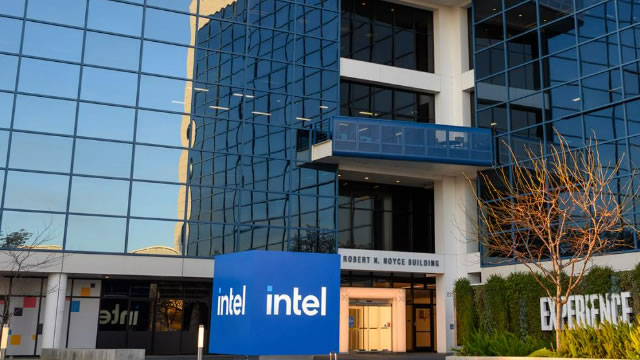
Intel: Back To 30Y Lows - Its Legacy Pain Continues
Intel Corporation continues to underperform expectations across the x86, cloud AI, discrete GPU, and foundry end markets, with the management looking to slash over -30% of its headcounts. At a time of multi-year cloud super cycle, the legacy company has opted to reduce its capex plans in the U.S. while cancelling the prior expansion plans in Germany/ Poland. Readers must also pay attention to INTC's deteriorating balance sheet health, worsened by the negative Free Cash Flow generation and the mixed growth prospects.
Intel Q2 Earnings Fall Short of Estimates, Revenues Remain Flat Y/Y
INTC's Q2 earnings fell short as flat sales and rising costs pressured margins despite AI PC momentum.
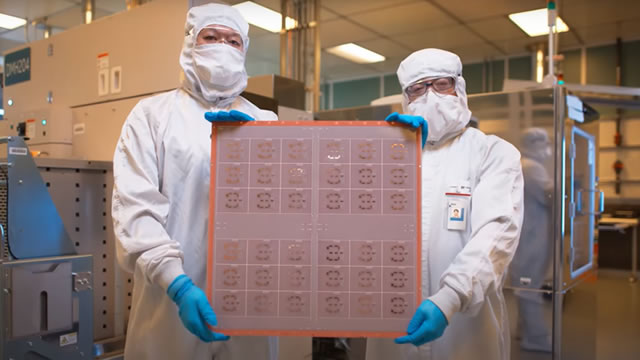
ETFs in Focus on Intel's Disappointing Q2 Results, Upbeat View
INTC slumps after Q2 miss despite strong guidance. ETFs like FEPI, VLUE, SOXX and SOXQ are most exposed to the chipmaker's next move.




