



iShares Core S&P 500 ETF (IVV)








Here are 5 mounting risks that could hurt the S&P 500, according to BofA
Valuations are high, bear-market signposts are piling up, and companies are now contending with both tariff uncertainty and a data blackout.
Which 2024 Trend the S&P 500 Price Action Resembles
“Will the cross below the SPX's 30-day moving average trigger a sell signal as it did in July 2024 and this past February?

S&P 500 Earnings: Financial Sector Earnings Push Forward Estimates Higher
Despite the worries over the regional bank credit situation this week, it didn't seem to impact the forward estimates for the financial sector or the S&P 500 in general. The tech companies will influence the expected Q3 '25 S&P 500 EPS growth rate over the next two weeks, but Q3's expected growth is already +9.3%, so another 450 bps and the second quarter's EPS growth is beaten. The S&P 500 actually finished higher this week by 1.70% despite worries over credit and the spike in the VIX.

S&P 500 Snapshot: Volatile See-Saw Week
The S&P 500 started the week strong, posting its largest daily gain in over four months on Monday. The index then see-sawed through the rest of the week, ultimately finishing up 1.7% from last Friday.

The S&P 500's Yield Is Weak. Consider These 3 Funds and 3 Stocks Instead.
Many investors have significant exposure to the S&P 500 index and its paltry yield. Here's how to bulk up the income portion of your portfolio.

S&P 500 Earnings: Crude Oil, First Brands, And Financials Set The Tone This Week
According to LSEG, there will be 35 S&P 500 companies reporting this week, a lot of them from the financial sector. The forward 4-quarter estimate this week fell one thin dime to $293.87, from $293.97 last week. The energy sector has become almost completely irrelevant to the S&P 500.
Pullback Risks Increase as S&P 500 Approaches Key Trendline
“The next potential pause or short-term inflection point to watch for is 6,760, which is roughly 10% above the previous all-time closing high in February

Stocks face earnings test with S&P 500 on pace for worst performance in a shutdown since 1990
Stocks are approaching a clear test after investors were left in the fog of a government shutdown this month and rattled by fresh tariff fears Friday.
Buy Any Of 14 IDEAL 'Safer' S&P 500 October Dividend Dogs
Fourteen of the highest-yielding, 'safer' S&P 500 dividend stocks are currently attractively priced, with free cash flow supporting their payouts. Top ten S&P 500 dividend 'dogs' are projected to deliver 23.93% to 38.57% net gains by October 2026, based on analyst targets. Stocks like CAG, VZ, DOC, BMY, KVUE, CPB, UDR, VTRS, KIM, TFC, KEY, HPQ, T, and RF meet the ideal of dividends from $1K invested exceeding share price.
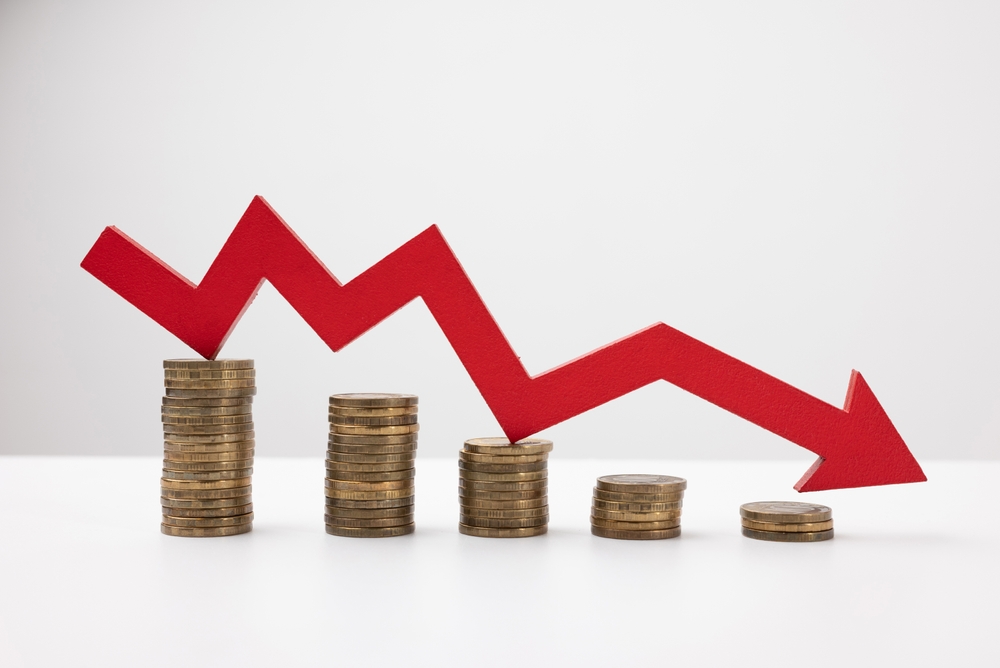
S&P 500 Snapshot: Largest Loss in Six Months
The S&P 500 notched two new record highs this week before experiencing its largest daily loss in six months. The index sank -2.7% on Friday, ultimately leading to a weekly loss of -2.4%.

S&P 500 Earnings: The Relentless - But Still Measured - Rally In The S&P 500
The quarterly bump hit the earnings data this week as the new forward 4-quarter estimate for the S&P 500 rolled into the four quarters from Q4 '25 to Q3 '26. The S&P 500 earnings yield bounced a little this week despite the rally, as the $10 increase in the FFQE improved the S&P 500 earnings yield from 4.26% last week to 4.37% this week. While I'd like to see the S&P 500 earnings yield higher - at least in the 4.75% to 5% area - the persistent and healthy increases in the S&P 500 earnings is providing a floor for the S&P 500.

5 Debt and Housing Metrics Investors Should Consider Before Buying S&P 500 Stocks at All-Time Highs
Investors often view the stock market as a representation of the broader economy. But that's not entirely true.




