



The Coca-Cola Company (KO)













Coca-Cola's Innovation Strategy: Is It a Boost or Costly Gamble?
KO's innovation push spanning new flavors, digital marketing and packaging revamps aims to fuel growth while balancing cost risks.
Coca-Cola Gains in 3 Months: Momentum Play or Overpriced Refreshment?
KO's steady growth, brand power and disciplined strategy fuel optimism, but its rich valuation urges investor caution.

Wall Street Analysts See Coca-Cola (KO) as a Buy: Should You Invest?
When deciding whether to buy, sell, or hold a stock, investors often rely on analyst recommendations. Media reports about rating changes by these brokerage-firm-employed (or sell-side) analysts often influence a stock's price, but are they really important?

Coca-Cola (KO) Stock Dips While Market Gains: Key Facts
Coca-Cola (KO) closed the most recent trading day at $66.1, moving 1.02% from the previous trading session.
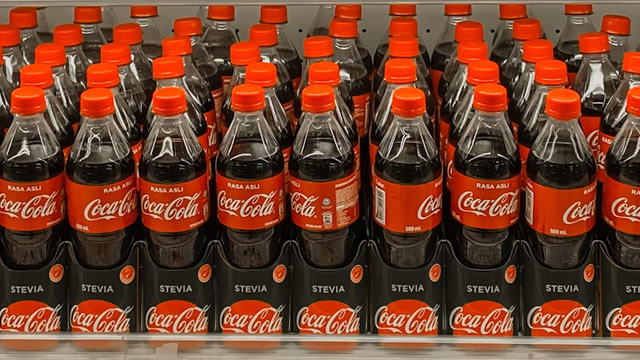
Coca-Cola: A Dividend King Facing Headwinds
The Coca-Cola Company is a global beverage leader with a strong brand presence but faces headwinds from health trends and regulatory risks. KO's dividend consistency is impressive, yet its yield and expected growth lag behind peers like PepsiCo, and the payout ratio is elevated. Valuation models suggest KO is overvalued, trading at a premium to fair value, with expected total returns below the preferred threshold for mature companies.

CocaCola Company (The) (KO) Is a Trending Stock: Facts to Know Before Betting on It
Recently, Zacks.com users have been paying close attention to Coca-Cola (KO). This makes it worthwhile to examine what the stock has in store.
Can Coca-Cola Sustain Growth Amid Rising Beverage Competition?
KO posts Q2 revenue growth, extends its 17-quarter value share streak and updates 2025 guidance despite rising competition.
Coca-Cola Builds on Away-From-Home Recovery: How Durable Is It?
KO is focused on away-from-home momentum, balancing value and premium plays to stay relevant in shifting consumer habits.
Investors Heavily Search CocaCola Company (The) (KO): Here is What You Need to Know
Recently, Zacks.com users have been paying close attention to Coca-Cola (KO). This makes it worthwhile to examine what the stock has in store.
Where Coca-Cola Is Winning: A Deep Dive Into Segment Performance
KO posts 5% organic revenue growth in Q2, extends its value share streak and leans on local execution to fuel resilience.

The Coca-Cola Company (KO) Presents At Barclays 18th Annual Global Consumer Staples Conference 2025 Transcript
The Coca-Cola Company (NYSE:KO ) Barclays 18th Annual Global Consumer Staples Conference 2025 September 3, 2025 12:00 PM EDT Company Participants Henrique Braun - EVP & Chief Operating Officer Conference Call Participants Lauren Lieberman - Barclays Bank PLC, Research Division Presentation Lauren Lieberman MD & Senior Research Analyst Okay. We're going to get started.
A Bad September to Remember? Time to Move to Safe Blue-Chip Dividend Stocks
September has garnered a reputation as the worst month for stock market performance, supported by compelling historical data.




