



Cheniere Energy Inc. (LNG)









LNG Shipping Stocks: The Easing Of Tensions Led To A Decline
The UP World LNG Shipping Index (UPI) declined 1.78% as easing geopolitical tensions, lower spot rates, and the end of winter pressured LNG shipping equities. Despite the seasonal Q2 slowdown, ongoing supply disruptions and increased geographic diversification are expected to drive longer routes and tanker demand, supporting a positive long-term sector outlook. Key outperformers included Nakilat (+9%), Korea Line Corporation (+29.3%), and New Fortress Energy (+23.16%), while Chevron led declines (-5.24%) amid oil price and geopolitical volatility.

Dynagas LNG: Mispricing Risk, Undervaluing Cash Flow
Dynagas LNG Partners trades at distressed valuations due to Russian exposure and fleet age, yet cash flows remain robust and underappreciated. DLNG's disciplined deleveraging—$55M in preferred redemptions and $45M in debt reduction—positions common shareholders to benefit as interest costs decline. Even assuming no fleet renewal, conservative liquidation and cash flow projections imply a 17-18% IRR over five years, with a $120M scrap value floor.
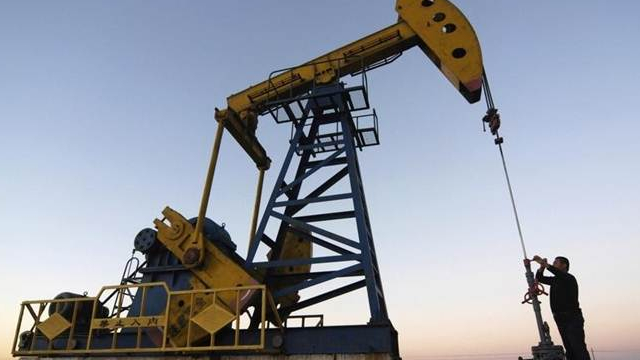
3 Energy Stocks to Watch Now as LNG Demand Surges
The U.S. conflict with Iran hasn't only caused a disruption for oil passing through the Strait of Hormuz, but it has also putting pressure on liquefied natural gas (LNG) supplies.

Golar LNG: Structural LNG Tightness And Strategic Optionality Support Further Upside
GLNG's formal strategic alternatives process, advised by Goldman Sachs, could result in a sale, asset divestment, or merger to maximize shareholder value. Middle East disruptions and Qatar LNG outages highlight GLNG's FLNG solutions, offering faster deployment and a 40% cost advantage over onshore alternatives. Long-term contracted EBITDA (~$850m) provides downside protection, while incremental exposure to LNG prices and new FLNG projects offers upside not fully priced by the market.

Will Rising LNG Demand & Middle East Conflict Benefit Venture Global?
VG scales LNG exports with increasing cargoes, long-term SPAs and expanding capacity, strengthening its growth outlook and cash flow visibility.
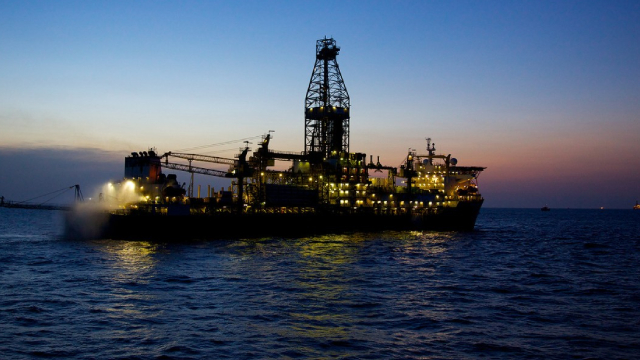
This is How Cheniere Energy Benefits From Tight LNG Supply
Cheniere Energy gains as tight global supply lifts prices, 2025 revenues jump 27%, net income rises 64%, and Corpus Christi Stage 3 supports long-term growth.
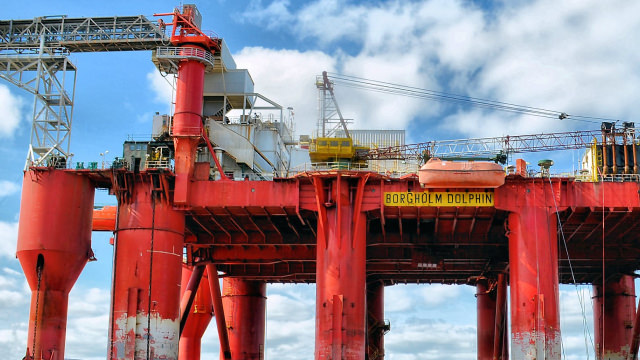
ExxonMobil-QatarEnergy JV Helps Italy Offset LNG Supply Gap
XOM and QatarEnergy's Golden Pass LNG facility starts supplying LNG to Italy in June, helping offset costly supply gaps after disruptions in Qatar.
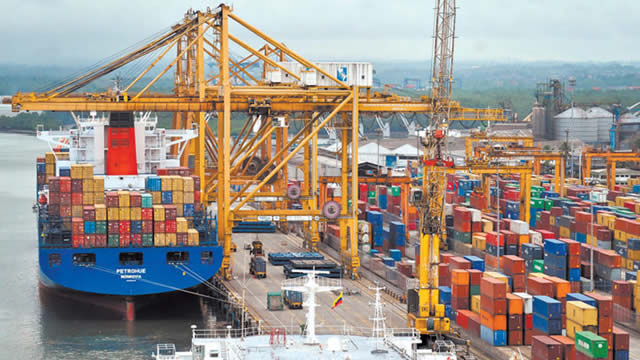
3 LNG Stocks to Watch as Iran War Continues
With the energy industry likely to experience continued supply disruptions as the Iran in war continues, investors who are comfortable facing some turbulence may find opportunities in the space. Specifically, the liquefied natural gas (LNG) market is heavily impacted by the closure of the Strait of Hormuz—exports from Qatar and the UAE represent roughly one-fifth of the entire global market and slowed to a near standstill over the past month.
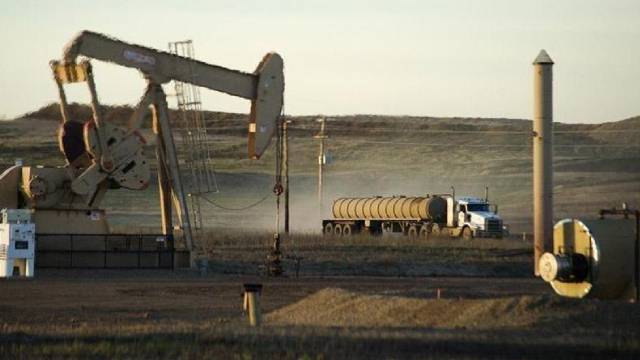
LNG stocks surge on Mideast conflict: is demand at risk from high prices?
Shares of US liquefied natural gas (LNG) companies have rallied sharply amid the ongoing Iran conflict, as rising global gas prices boost near-term profitability. However, analysts warn that sustained high prices could undermine long-term demand and complicate expansion plans for the industry.
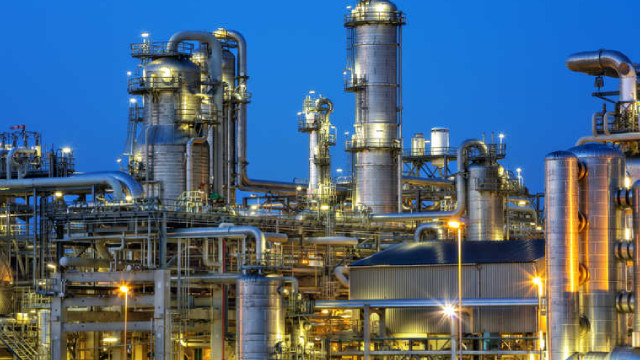
Exclusive: Italy to get LNG from QatarEnergy-Exxon's US Golden Pass from June, sources say
Italy will begin receiving liquefied natural gas (LNG) from the Golden Pass LNG facility in the United States, a joint venture between QatarEnergy and Exxon Mobil , from June, two sources familiar with the matter told Reuters.
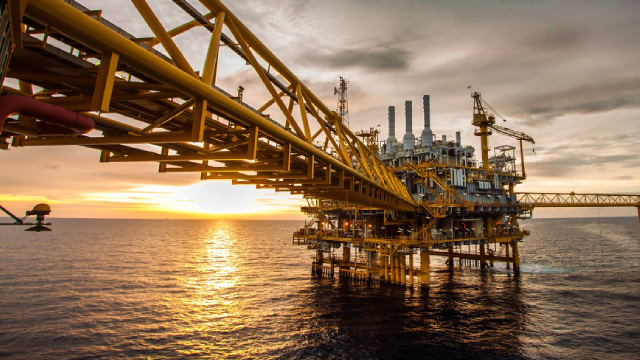
Woodside Energy : Hedges Limit LNG Upside
I rate Woodside Energy (WDS) a buy, driven by higher-for-longer LNG and oil prices amid ongoing Middle East disruptions. WDS's conservative strategy limits near-term upside, with 75% of LNG contracted through 2028 at ~$11/BTU, but spot exposure benefits from elevated prices. My out-of-consensus forecast sees 2026 EBITDA at $11bn and FCF over $4bn, supporting dividends, debt reduction, and potential reinvestment.
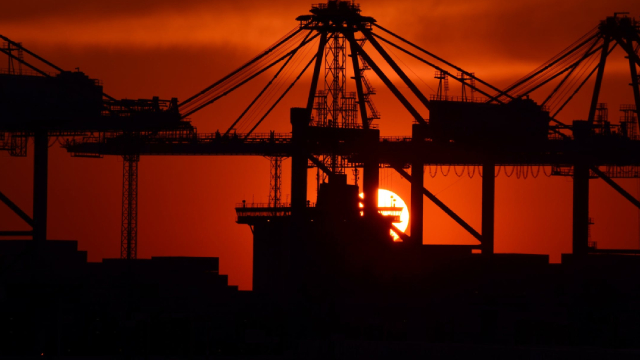
ExxonMobil-QatarEnergy JV Starts LNG Output at Texas Facility
XOM and QatarEnergy's JV, Golden Pass LNG, begins production at its Texas facility, marking a key milestone as Train 1 adds 6 MTPA capacity.




