



lululemon athletica inc. (LULU)










Lululemon (LULU) Outperforms Broader Market: What You Need to Know
In the most recent trading session, Lululemon (LULU) closed at $119.26, indicating a +2.36% shift from the previous trading day.

Here is What to Know Beyond Why lululemon athletica inc. (LULU) is a Trending Stock
Lululemon (LULU) has been one of the stocks most watched by Zacks.com users lately. So, it is worth exploring what lies ahead for the stock.

lululemon: Don't Mistake Macro Weakness For Permanent Decline (Rating Upgrade)
lululemon athletica is upgraded to Strong Buy as valuation now reflects a compelling discount to its turnaround potential. Despite ongoing North American weakness and cautious guidance, LULU's debt-free balance sheet and robust buybacks (potential ~8.76% yield expected) provide strong downside protection. International growth pillars remain very solid, with China and global markets growing 23% and 9% YoY, offsetting US softness.

Lululemon Faces A Growing Crisis Of Trust After Another Controversy Emerges
Lululemon is in hot water again, threatening the brand's credibility and consumer trust. At a May 30 promotional event on the Great Wall of China, the company featured a giant Japanese taiko drum instead of a culturally appropriate Chinese dagu drum for a musical performance.

Lululemon shares rise after shareholders approve board slate in settlement with founder
Lululemon Athletica Inc (NASDAQ:LULU) shares rose more than 3% after shareholders approved three management-backed directors at the company's June 25 annual general meeting, helping resolve a prolonged proxy dispute with founder Chip Wilson. The elected directors include former Levi Strauss CEO Chip Bergh, Unilever executive Esi Eggleston Bracey and finance veteran Teri List.

Why 'Big Short' investor Michael Burry has a Lululemon shopping bag framed on his wall
Michael Burry of "The Big Short" says he has a Lululemon shopping bag framed on his firm's wall. He said the bag, featuring an "Atlas Shrugged" quote, was one of many "own goals" for Lululemon.

lululemon athletica inc. (LULU) is Attracting Investor Attention: Here is What You Should Know
Zacks.com users have recently been watching Lululemon (LULU) quite a bit. Thus, it is worth knowing the facts that could determine the stock's prospects.

Michael Burry is now down 45% on this stock bet
On August 14, 2025, the legendary ‘Big Short' investor Michael Burry placed a massive $95 billion bet on Lululemon Inc. (NASDAQ: LULU) when the stock was trading at $195.

lululemon: North America Panic, International Conviction
lululemon athletica remains a Strong Buy despite a 50% stock drop and significant underperformance versus the benchmark. LULU trades at a multi-year low 10x forward P/E, a 36% discount to the sector median and well below peers like NKE and DECK. International sales strength and premium margins support the thesis that LULU is undervalued and the recent downtrend is overdone.
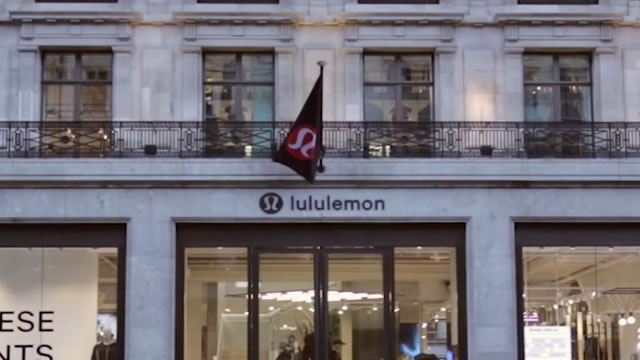
Lululemon's China Backlash May Be Hiding a Bigger Valuation Story
It's not often that a yoga festival becomes a stock market story, but that's exactly what's happening to Lululemon Athletica Inc NASDAQ: LULU right now. The activewear giant arranged a large-scale promotional event on a section of the Great Wall of China near Beijing in late May, complete with thousands of attendees, Chinese celebrities, and what was meant to be a traditional drum performance.

Lululemon brought the wrong drum to an activation. It's the latest brand to fumble as it looks to China for growth
When done right, brand activations can bring real-life awareness and connect a brand with its customers. When not, these can turn sour quickly, bringing the opposite effect to a brand—as happened with activewear company Lululemon.

3 Beaten-Down Stocks That Could Roar Back in June
June is shaping up as a stock-picker's month. Spring volatility has settled, and contrarian investors are scanning the wreckage for quality names trading well off their highs with identifiable recovery catalysts.




