



Netflix, Inc. (NFLX)














Netflix to Pay Up to $600 Million for Ben Affleck's AI Firm
Netflix will pay as much as $600 million for InterPositive, the AI moviemaking company founded by Ben Affleck, according to people familiar with the matter. Bloomberg's Lucas Shaw discusses why the streaming giant made the purchase and how the technology works.
Arrowstreet Capital Limited Partnership Sells 165,543 Shares of Netflix, Inc. $NFLX
Arrowstreet Capital Limited Partnership lowered its holdings in Netflix, Inc. (NASDAQ: NFLX) by 6.7% in the undefined quarter, according to the company in its most recent filing with the Securities and Exchange Commission. The firm owned 2,289,010 shares of the Internet television network's stock after selling 165,543 shares during the quarter. Netflix comprises
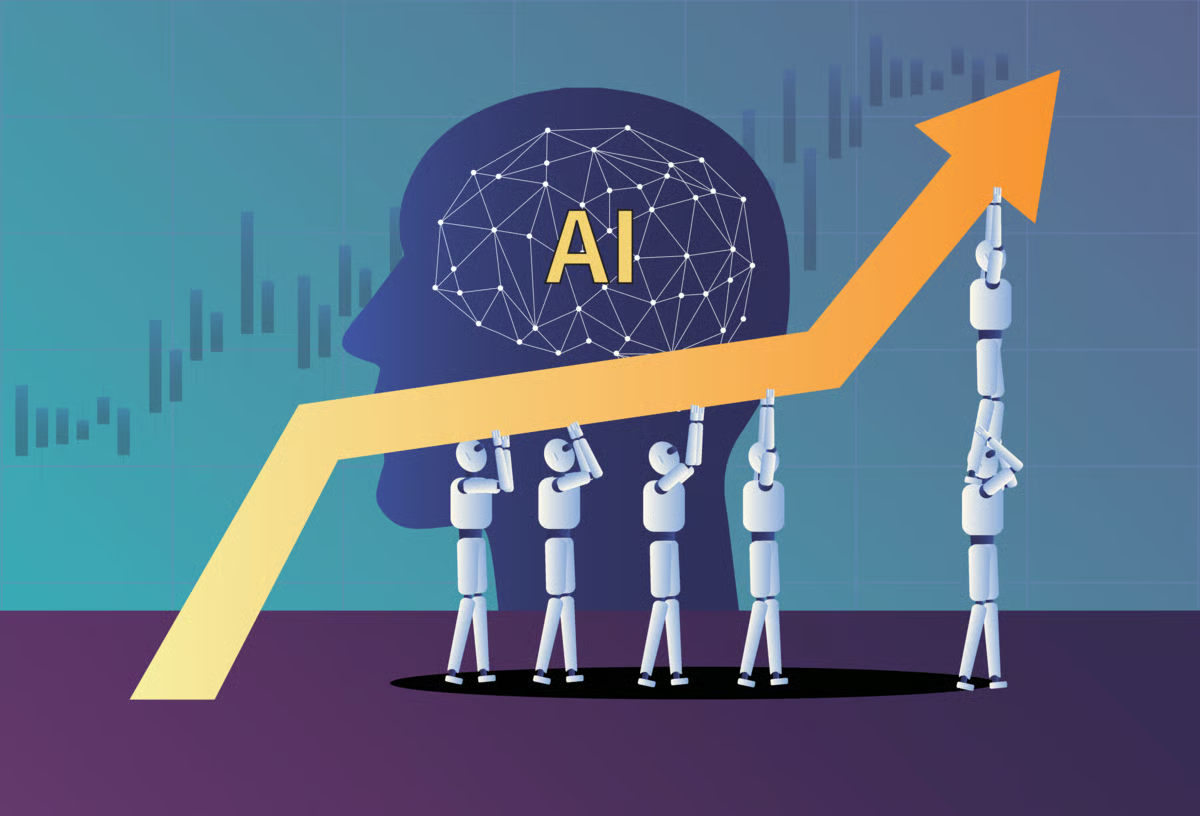
3 Industry-Leading Consumer Companies Using Artificial Intelligence (AI) in Unique Ways
By leaning into AI advancements, these businesses are positioning themselves for future success.
More demons, more K-pop: Netflix announces 'KPop Demon Hunters' sequel
Netflix confirmed on Thursday that a sequel to "KPop Demon Hunters," the streaming platform's most watched film of all time, is officially in development.
Link: Netflix simpler story without Warner Bros. Discovery deal
Stephanie Link has watched Netflix from the sidelines her entire career. That changed recently. The Chief Investment Strategist bought Netflix for the first time ever, and her reasoning cuts straight to the point. "Why now? It's a simpler story. Without the Warner Brothers Discovery acquisition. I didn't really understand why they were going after that... Link: Netflix simpler story without Warner Bros. Discovery deal.
Netflix Cuts Dozens Of Product Team Jobs Amid Internal Restructuring
Netflix cuts dozens of staff from its global product team in a new reorg. Learn how the creative studio unit is being impacted by the shift.
Netflix to Pay Up to $600 Million for Ben Affleck's AI Firm
Netflix will pay as much as $600 million for InterPositive, the AI moviemaking company founded by Ben Affleck, according to people familiar with the matter. Bloomberg's Lucas Shaw discusses why the streaming giant made the purchase and how the technology works.
Netflix to pay as much as $600 million for Ben Affleck's AI firm
Netflix will pay as much as $600 million for InterPositive, the AI moviemaking company founded by Ben Affleck, according to people familiar with the matter, making the purchase one of the biggest ever by the streaming leader Click Here

Netflix Has No Rivals
After a trivial deal between two companies about AI content, Barron's wrote a headline that read, “Netflix Rival Strikes Deal With Google in Battle for AI Content.
Netflix may have paid $600 million for Ben Affleck's AI startup
Last week, Netflix announced the acquisition of InterPositive, an AI company co-founded by Ben Affleck that helps filmmakers edit footage in post-production.

Netflix's AI Drive Followed by This TV Group. It Just Struck a Deal With Google.
Media companies are going all-in on artificial intelligence to improve content recommendation tools and cut costs.
Why Netflix (NFLX) Dipped More Than Broader Market Today
Netflix (NFLX) reached $96.94 at the closing of the latest trading day, reflecting a -1.4% change compared to its last close.




