



NVIDIA Corporation (NVDA)
















Nvidia Stock Rises. This Big Event Can Give It a Further AI Boost.
Nvidia stock was rising on relief about the potential end of the Iran conflict and its GTC developer conference could provide a further boost.
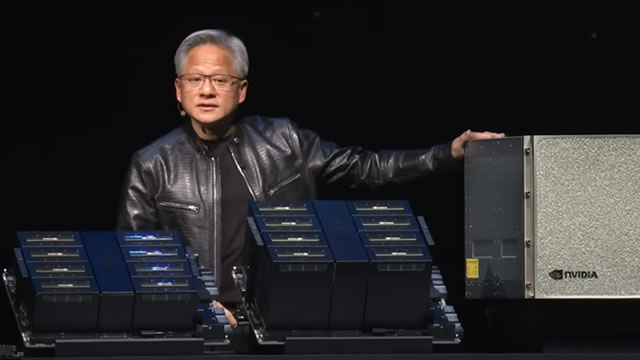
Nvidia plans open-source AI agent platform ‘NemoClaw' for enterprises: Wired
Nvidia's reported platform will allow companies to dispatch AI agents to perform tasks for their own employees. The platform is expected to include security and privacy tools.
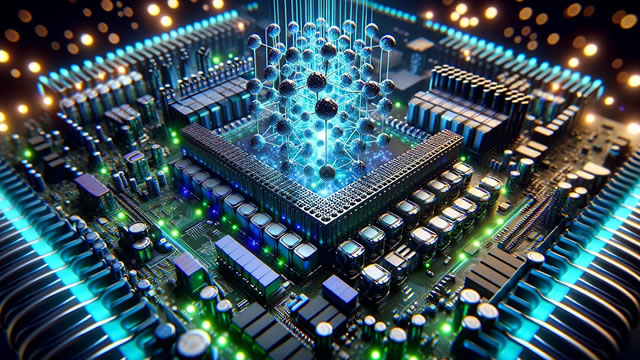
Nvidia GTC expected to highlight AI system architecture, networking leadership
Nvidia Corp (NASDAQ:NVDA, XETRA:NVD)'s upcoming GPU Technology Conference (GTC), being held from March 16 to 19, is expected to highlight the company's evolving approach to artificial intelligence infrastructure, with analysts at UBS anticipating updates on system architecture, networking leadership, and the durability of AI spending. The analysts wrote that the event could help address several ongoing investor debates around Nvidia's technology roadmap.
Nvidia's big GTC event could spark a rally in these 5 stocks
The next generation of AI chips is driving a multibillion-dollar boom in optical interconnects, and Bank of America believes these stocks could be big winners.
Nvidia: Regime Change And Narrative Noise (Rating Downgrade)
Nvidia Corporation remains a Buy despite the recent 15% correction, driven by risk-off market regime rather than fundamental weakness. NVDA beta remains stable across market conditions, acting as a market amplifier with volatility that quickly reverts to the mean. Fundamentals are robust: Q4 FY2026 revenue grew 73% to $68.1B, with the data center segment now 91% of revenue and gross margin at 75%.

5 AI Stocks That Could Be the Next Nvidia — Before Wall Street Figures It Out
NVIDIA (NASDAQ:NVDA | NVDA Price Prediction) has not solely become a trillion-dollar company because it made the best chips, but it became one because it was seemingly the only company that could deliver what the AI industry needed, exactly when it needed it.

Why Nvidia stock is soaring despite broader market sell-off?
Nvidia stock (NASDAQ: NVDA) is up roughly 1.2% on Monday, an unusual sight on a day when the Dow is down over 800 points, and stagflation fears have most of Wall Street on the back foot. The resilience isn't random, as a combination of fresh analyst conviction, strong recent earnings, and a major product event one week away is keeping institutional buyers engaged even as macro sentiment turns ugly.

Beyond Nvidia: A “Second Wave” AI Stock Set for a Big Rally
Shares of Nvidia (NASDAQ:NVDA | NVDA Price Prediction) seem to be a victim of its own past successes, and while it's tough to tell what the next big move will be as shares continue to trade sideways for a while longer, I do think that it's worth checking in on some of the less-obvious AI plays as the wave moves from the semis towards the AI-native software side and beyond.
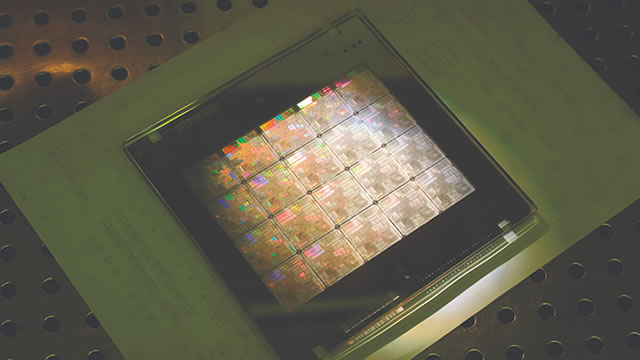
What's Behind The 60% Rise In Nvidia Stock?
Over the year from March 2025 to March 2026, NVIDIA (NVDA) experienced a stock increase of 60%, driven by a remarkable 65% rise in revenue that highlighted its stronghold in the thriving AI infrastructure and networking sectors.

Nvidia's 'Unholy Trinity' Paralyzing Upside
NVIDIA remains the dominant force in AI infrastructure but faces a near-term 'Unholy Trinity' of issues: muted earnings surprises, China revenue unpredictability, and cash deployment concerns. NVDA's Q4 FY26 revenue surged 73% YoY to $68B, but the 2.9% revenue beat fell short of historical medians, pressuring shares despite strong growth. China's revenues spiked to $8.4B in Q4, more than the $4-6B quarterly range, raising questions about sustainability and the true magnitude of core business outperformance.
Nvidia backs AI data center startup Nscale as it hits $14.6 billion valuation
UK-based startup Nscale has raised $2 billion at a $14.6 billion valuation in a funding round featuring chip giant Nvidia. The company is building AI infrastructure, including data centers and cloud access to compute.
Does $150 Oil Matter to Nvidia?
With oil at $1o8, he question of what happens to Nvidia if oil hits $150 sounds dramatic.




