



Oracle Corporation (ORCL)










Oracle Is Still Down 28% This Year. What Will It Take to Get ORCL Stock Back to $200?
Shares of Oracle (NYSE:ORCL | ORCL Price Prediction) are trading at $139.90 in Monday afternoon action, up 8% on a broad AI-cloud rally.

Oracle: I See 64% Upside And A Whole Lot Of Fear
Oracle Corporation is initiated with a Strong Buy and a $212 price target, citing exceptional cloud growth and undervalued earnings potential. OCI, Oracle's cloud infrastructure, posted 93% y/y growth and is expected to accelerate further, driving overall Cloud and Software segment momentum. Despite heavy capex, negative free cash flow, and rising leverage, I see the current 16x multiple as unjustified given 18% EPS growth and robust long-term targets.

Oracle's Massive AI Bet Has Already Cost Larry Ellison $207 Billion. Analyst Warns the AI Bubble Is 17 Times Bigger Than the Dot-Com Bubble.
Larry Ellison has lost $207 billion in less than a year. His fortune peaked near $388 billion in September 2025, when Oracle (NYSE:ORCL | ORCL Price Prediction) traded at $345.72 and briefly made him only the second person ever, after Elon Musk, to cross $400 billion.

3 Wall Street Analysts Have Oracle Going to $400: An Alphabet Partnership Just Jump Started That 200% Upside
Oracle (NYSE:ORCL | ORCL Price Prediction) currently trades at $127.56 against a consensus analyst target of $248.15, implying roughly 95% upside.
Oracle's Massive Backlog Gets “No Credit,” Says Star Analyst —Time to Get Bullish?
It really does feel like Oracle (NYSE:ORCL | ORCL Price Prediction) can't hit rock bottom.
Undercovered Dozen: Kayne Anderson, Franco-Nevada, Oracle And More
The Undercovered Dozen series spotlights 12 lesser-covered stocks featured on Seeking Alpha. This curated selection aims to provide fresh investment ideas and foster community discussion around under-the-radar equities. Readers are encouraged to engage, share perspectives, and highlight additional overlooked investment opportunities.
Nebius Soars 27%, CoreWeave Jumps 24%, Oracle Climbs 7% as AI Cloud Names Snap Back
Shares of Nebius Group (NASDAQ:NBIS | NBIS Price Prediction) are up 27% to $188.77 in Thursday morning trading, leading a violent snap-back in AI cloud infrastructure names.
Oracle: Bears May Pay A Big Price (Rating Upgrade)
Oracle is upgraded to Buy, capitalizing on leadership in sovereign air-gapped AI infrastructure and native agentic ERP applications. ORCL's dual moat—sticky government contracts and embedded agentic AI—supports high terminal value despite near-term balance sheet strain and CapEx intensity. Short-term risks include a $273B off-balance-sheet debt, a $42B FOCF deficit, credit downgrades, and heavy counterparty exposure to OpenAI.
Why Oracle (ORCL) Dipped More Than Broader Market Today
In the latest trading session, Oracle (ORCL) closed at $117.77, marking a -1.83% move from the previous day.
Should You Buy Oracle Since it Promises 100% Upside at Consensus Target Price?
At $119.96, Oracle (NYSE:ORCL | ORCL Price Prediction) looks overvalued to our research, even with a consensus target price implying roughly 100% upside.
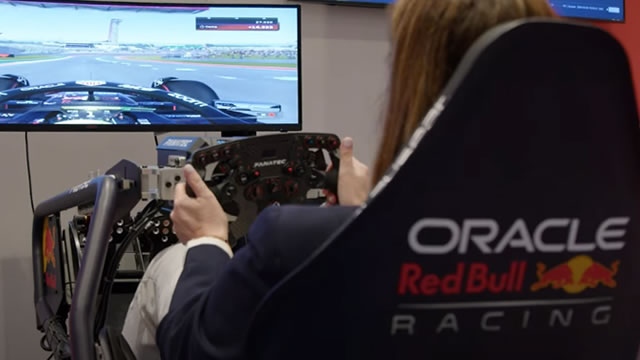
$1,000 invested in Oracle stock a year ago is now worth
Oracle's (NYSE: ORCL) commitments to the artificial intelligence (AI) firm OpenAI have been weighing on the company so heavily that even the June double earnings beat or $7 billion deal with the Pentagon could not have turned the equity into a profitable investment.
Oracle vs. Alibaba: Which Cloud & AI Giant Should You Buy Right Now?
ORCL's record cloud growth, massive AI backlog and expanding partnerships strengthen its investment case over BABA despite recent share price weakness.




