



Oracle Corporation (ORCL)











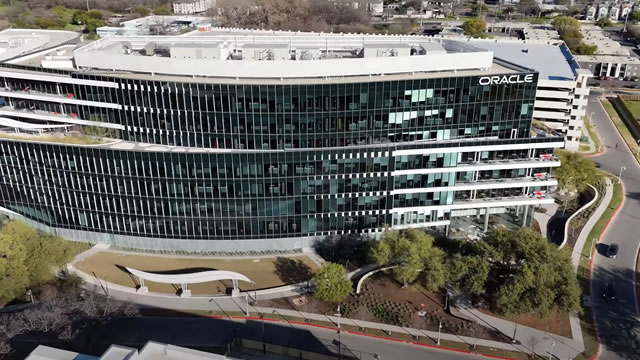
Oracle's Sell-Off Looks More Like a Mispricing Than a Warning
Oracle's NYSE: ORCL stock price sell-off started as an understandable, if overblown, reaction to fears of software-as-a-service (SaaS) disruption and swelling debt—but it has since spiraled into an outright disconnection from reality. While debt is growing, this is not an emerging tech start-up with a questionable growth trajectory, but a blue-chip name central to AI with a backlog to offset its liabilities.
Oracle layoffs: 21,000 jobs cut, software giant trades human talent for AI tech amid the SaaSpocalypse
Oracle is spending big on artificial intelligence—to the tune of $70 billion this year alone—in order to build data centers and AI-capable servers. But that AI expansion hasn't come without a human cost.
Oracle's Sell-Off Looks More Like a Mispricing Than a Warning
Oracle's NYSE: ORCL stock price sell-off started as an understandable, if overblown, reaction to fears of software-as-a-service (SaaS) disruption and swelling debt—but it has since spiraled into an outright disconnection from reality. While debt is growing, this is not an emerging tech start-up with a questionable growth trajectory, but a blue-chip name central to AI with a backlog to offset its liabilities.

Why I Can't Stop Buying This $553 Billion AI Infrastructure Gatekeeper
Oracle has been my focus this month, and the recent selloff has only sharpened that focus.
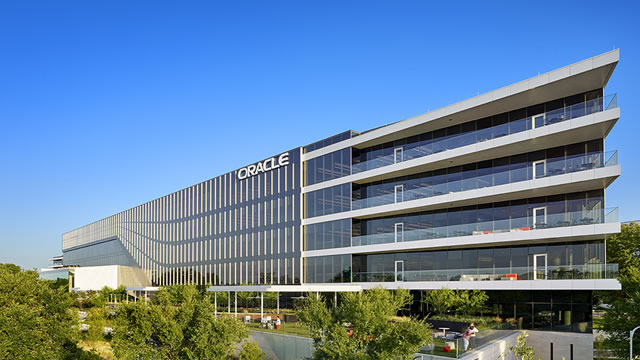
Oracle's Rapid Growth Necessitates Significant Upside
Oracle is reaffirmed as a "Strong Buy" due to exceptional growth and undervaluation. ORCL posted 20.6% revenue growth and more than doubled operating cash flow in FY2026, driven by cloud expansion. Management guides for 33.6% revenue growth in FY2027 and expects a $638 billion backlog to fuel sustained gains.
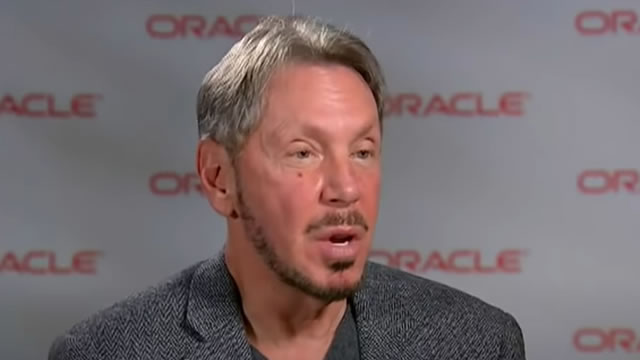
Tech Compression Dragged Oracle Stock to $175, but Its Unbelievable $638 Billion AI Backlog Makes It an Automatic Buy
Oracle (NYSE:ORCL | ORCL Price Prediction) at $175 looks compelling on the data.
AI Cost 21,000 Jobs At Oracle This Year—And More Layoffs Could Be Coming
Get Forbes Breaking News Text Alerts: We're launching text message alerts so you'll always know the biggest stories shaping the day's headlines. Text “Alerts” to (201) 335-0739 or sign up here: joinsubtext.com/forbes.
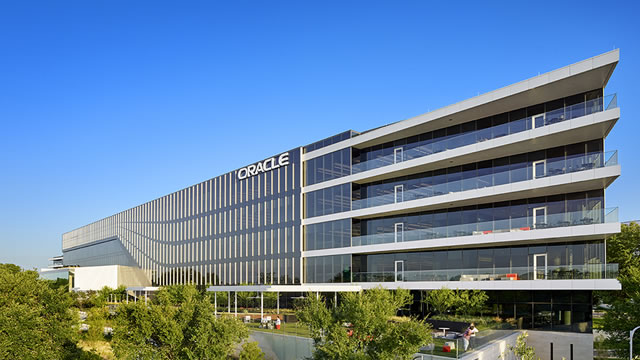
Did Oracle Need To Fire 21,000 Because It Is In Trouble?
Badly damaged tech company Oracle (NASDAQ: ORCL | ORCL Price Prediction) fired 21,000 people.
Oracle cuts 21,000 jobs over past year as it adopts AI
Oracle Corp (NYSE:ORCL, XETRA:ORC) has reduced its workforce by about 21,000 employees over the past year, citing the deployment of artificial intelligence technologies across its operations, according to its annual filing. The software and cloud company employed approximately 141,000 full-time workers as of May 31, 2026, compared with about 162,000 a year earlier, a decline of nearly 13%.

ORCL Advances Healthcare AI: Can Adoption Momentum Strengthen?
Oracle is broadening healthcare AI deployments, with clinical automation gains and wider adoption supporting Oracle Health's growth outlook.

Oracle's AI Push Led to 21,000 Job Cuts Last Year but Didn't Lead to Stock Gains
Oracle has been cutting jobs to focus on artificial intelligence. The moves haven't helped the stock.

Now we know how much Oracle downsized its head count in the past year — and how much it cost
Oracle laid off staff in March. A new filing shows its global head count fell by 21,000 over the last year.




