



Oracle Corporation (ORCL)











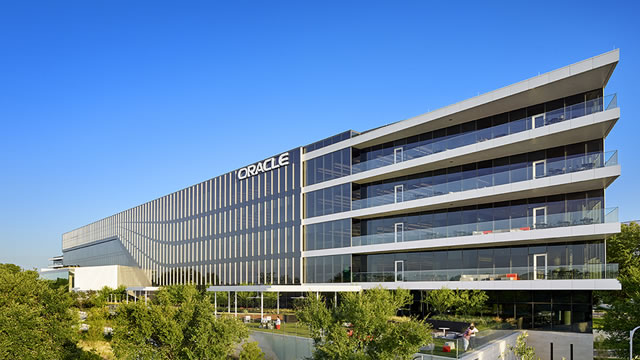
Oracle Falls 3% While Cloud Rivals Hold Their Ground; Microsoft Dips, Amazon Nudges Higher
Oracle (NYSE:ORCL | ORCL Price Prediction) stock is falling in Friday afternoon trading while the rest of large-cap technology sits roughly flat, a split that puts the pressure squarely on Oracle's own story rather than any broad shift in cloud
Oracle document spells out what laid-off workers get in severance, stock, and bonuses
Oracle started a new round of job cuts this week. An internal document spells out more details what those employees get in severance, stocks, and bonuses.

End of an Era: The Oracle of Omaha Steps Down
Warren Buffett first bought into Berkshire Hathaway 64 years ago and took control of the company in 1965.

Here's Why Oracle (ORCL) is a Strong Momentum Stock
The Zacks Style Scores offers investors a way to easily find top-rated stocks based on their investing style. Here's why you should take advantage.
Oracle (ORCL) Just Overtook the 20-Day Moving Average
Oracle (ORCL) reached a significant support level, and could be a good pick for investors from a technical perspective. Recently, ORCL broke through the 20-day moving average, which suggests a short-term bullish trend.
The Oracle Stock Question Wall Street Will Be Asking for Years
Oracle's AI backlog is exploding while its stock has been cut nearly in half, and that contradiction is forcing a fundamental question about whether Wall Street has this completely backwards.

Meta Vs. Oracle: The Laggards of AI Capex Payback Velocity
Oracle is sitting on a $664 billion backlog while Meta just watched its free cash flow crater by more than 90%, yet both companies are pouring tens of billions into AI compute every quarter with no clear timeline for the
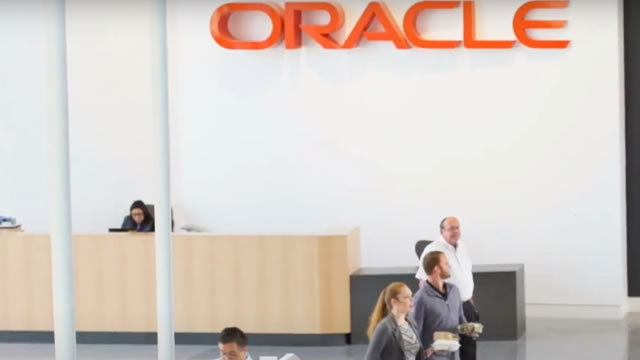
Larry Ellison's about-face on an Oracle stock sale sparks chatter in Silicon Valley, Hollywood
Was this Ellison being crazy like a fox?

Oracle exec tells workers that its own AI rollout didn't go so smoothly
Oracle has spent years building infrastructure for the AI boom. As recently as a year ago, it hadn't found broad internal uses for the tools, its co-CEO said.
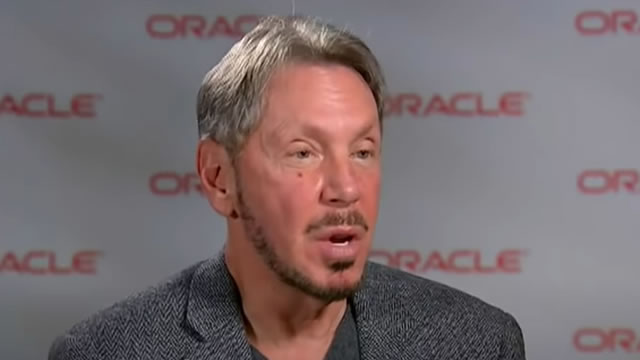
Our Oracle Stock Pick Is Down, But Stabilizing. Buy More.
The company's recent results paint a picture of a business positioning itself to generate cash for shareholders.

Oracle Valuation: Investment Supercycle, Forward Consensus, And Renewed Volatility Point To Compelling Upside Potential
Oracle is positioned as a high-leverage, high-risk play on the AI investment supercycle, with current volatility reflecting deep market uncertainty. ORCL shares are estimated to be substantially undervalued, with a 12-month price target of $215—implying ~50% upside from September 2026 levels. Forward P/E and P/S glidepath analyses project significant upside, with potential for shares to triple by May 2030 if consensus multiples and earnings materialize.
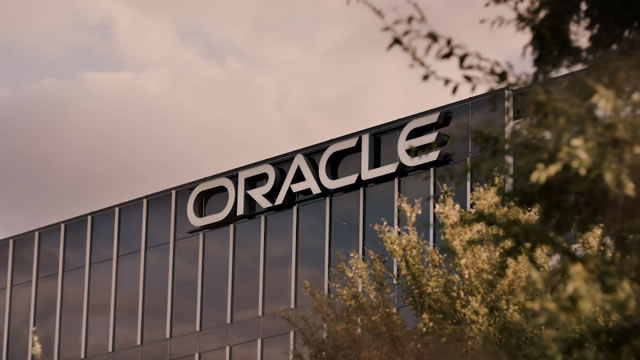
Why is Oracle stock gaining 4% today?
Oracle (ORCL) stock rose about 4% at midday on Thursday as investors responded to positive news flow around OpenAI, highlighting the growing importance of the AI company to Oracle's outlook. Oracle's relationship with OpenAI has become a major part of its AI infrastructure strategy.




