


Oracle Corporation (ORCL)





Is Most-Watched Stock Oracle Corporation (ORCL) Worth Betting on Now?
Recently, Zacks.com users have been paying close attention to Oracle (ORCL). This makes it worthwhile to examine what the stock has in store.

Oracle: The $523 Billion Backlog Paradox -- CapEx Inversion With Potential 140% Upside
Oracle (ORCL) is rated 'Buy' due to a major valuation dislocation versus its $523B RPO backlog, despite recent CapEx-driven price weakness. ORCL's multicloud RPO-to-revenue conversion, up 817%, could drive topline growth to 31% CAGR (FY2025–FY2030E), supporting a 140%+ upside by FY2030. Liquidity risk is elevated as CapEx hits 75% of revenue and net debt stands at $112B, risking credit rating pressure if CapEx-to-revenue fails to compress.
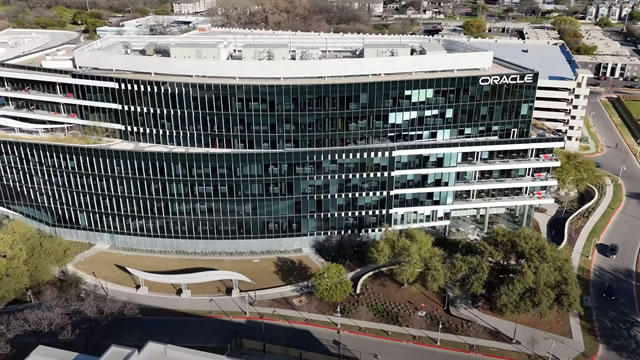
Oracle's Data Software Edge For Enabling AI (Rating Upgrade)
Oracle (ORCL) is well-positioned to benefit from AI adoption by leveraging its integrated infrastructure, database, and applications, differentiating itself from hyperscalers. Despite recent stock volatility and concerns over debt and negative free cash flow, ORCL's shift toward software sales and AI database services offers margin expansion potential. Oracle's unique ability to unify and provide private enterprise data for AI training is a key competitive advantage, especially as AI adoption shifts from public to private data.

Xcel Energy Uses Oracle Platform for Personalized Customer Service
XEL adopts AI-enabled Opower to deliver personalized energy tools, boosting customer control, efficiency and long-term growth potential.
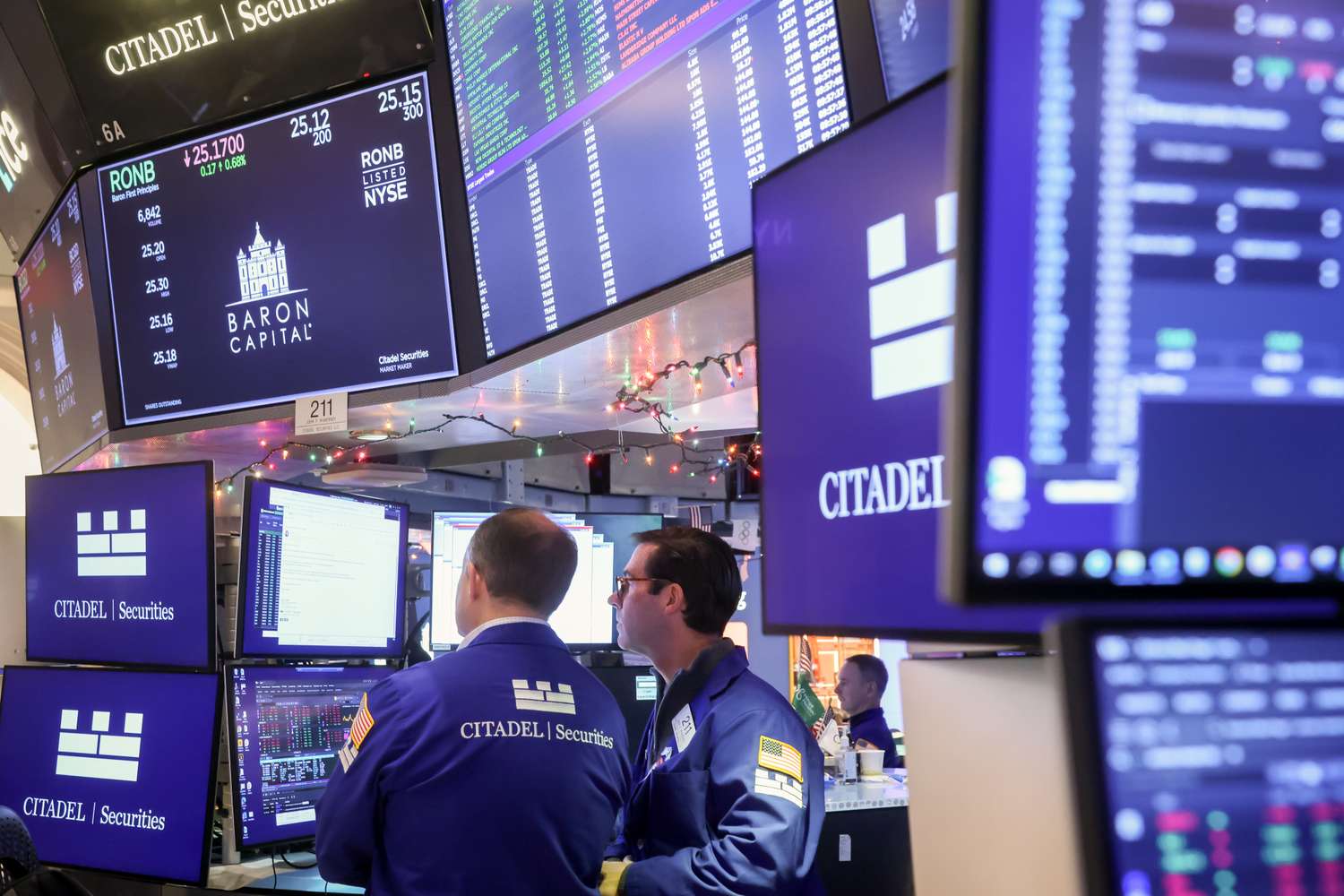
Dow Jones Today: Stocks Slip to Begin Week; AI-Tied Shares Continue to Weigh on Nasdaq
Major stock indexes finished lower to begin the last full trading week of the year, with AI-tied shares again weighing on the Nasdaq.
Oracle: I Mistimed The Top, Now I Am Buying The Bottom
Oracle is still a strong buy after a significant selloff, with execution risk now better reflected in valuation. ORCL's leveraged balance sheet and execution challenges, especially fulfilling OpenAI commitments, have driven skepticism and multiple compression. Cloud revenues grew 34% YoY, now nearly 50% of total, but high RPO concentration and CapEx needs elevate risk.

Oracle: Let It Fall, Let It Fall, Let It Fall
Oracle Corporation faces investor anxiety due to massive backlog, capital intensity, and reliance on OpenAI contracts. ORCL's Q2 revenues rose 13% to $16.1B, with cloud revenue now 50% of business and infrastructure revenue up 66%. CapEx surged to $12B in the quarter, with fiscal 2026 CapEx forecasted $15B higher than prior guidance, straining leverage and cash flow.

Oracle financing in question as stock slides
CNBC's Seema Mody reports on latest news surrounding Oracle.

Why Oracle's stock — and its bonds — can't shake off AI spending fears
Oracle has left nervous investors with more questions than answers about the company's AI financing plans.

Why Oracle (ORCL) International Revenue Trends Deserve Your Attention
Examine Oracle's (ORCL) international revenue patterns and their implications on Wall Street's forecasts and the prospective trajectory of the stock.

Oracle: Overdone Fears Around OpenAI, Stock Remains A Strong Buy
Oracle shares dropped 37.3% after Q2 2026 revenue and margin misses, but I view the sell-off as overdone. Cloud revenues surged 34% to $8B, now 50% of the total, while higher CapEx and costs reflect investment in future topline growth. Despite elevated CapEx and debt concerns, ORCL's $523B RPO and robust EBITDA growth support strong multi-year upside potential.

Wall Street predicts Oracle stock price for the next 12 months
Although Oracle's (NYSE: ORCL) stock price plunged on Friday in reaction to the company's financials, a section of Wall Street remains confident the equity is likely to rally over the next 12 months.


