


Oracle Corporation (ORCL)





The AI Trade Picks Up Steam After Oracle's 'Truly Historic' Quarter
The artificial intelligence trade got a shot of adrenaline on Wednesday after results from database software and cloud provider Oracle suggested the AI spending bonanza has ample room to run.

Oracle's not much more expensive than it was earlier this week, says Citi's Tyler Radke
Tyler Radke, Citi co-head of U.S. software equity research, joins 'Power Lunch' to discuss Oracle's latest quarterly earnings results, the company's compound annual growth rates and much more.

OpenAI, Oracle sign $300 billion computing deal
CNBC's MacKenzie Sigalos reports on news regarding OpenAI and Oracle.

Oracle Q1 Earnings Match Estimates, Cloud Growth Fuels Revenue Rise
ORCL reports strong fiscal first quarter with 12% revenue growth, record AI cloud demand and multi-billion-dollar deals across its infrastructure stack.
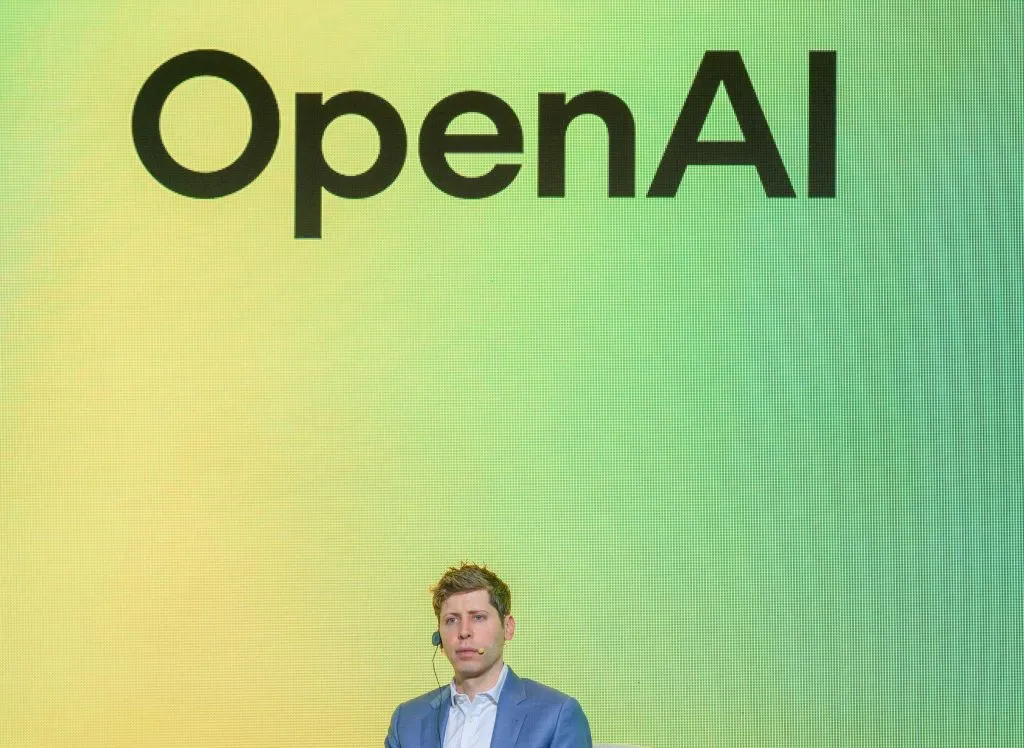
OpenAI and Oracle reportedly ink historic cloud computing deal
Oracle sent its shares soaring after markets closed yesterday after reporting that it signed multiple multi-billion-dollar contracts with several customers. Now, we have an idea of who those customers might be.

RBC's Rishi Jaluria on under-the-radar AI plays outside of Oracle and Microsoft
Rishi Jaluria, RBC software analyst, joins 'The Exchange' to discuss the outlook for Oracle as the stock's shares soar, its global AI infrastructure and the Microsoft trade.

Top Stock Movers Now: Oracle, GameStop, Synopsys, and More
The S&P 500 and Nasdaq climbed to record highs Wednesday following a report showing wholesale inflation surprisingly fell in August. The Dow slid, however, led by a drop in shares of Apple (AAPL), after the tech giant launched its iPhone 17 models yesterday.
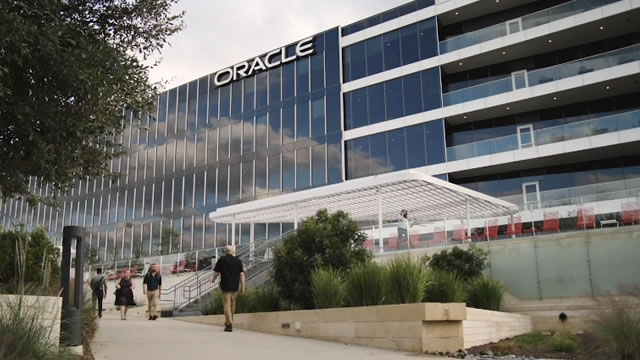
Oracle's Success Makes It Overvalued (Rating Downgrade)
Oracle Corporation's after-hours surge is driven by massive cloud RPO growth, but margin declines and stagnant EPS raise red flags for long-term investors. Despite strong enterprise positioning and huge new contracts, Oracle's high P/E ratio is hard to justify given its earnings trajectory and competitive risks. Reliance on Nvidia silicon, while peers develop custom chips, threatens Oracle's future margins and market share as hyperscalers drive costs lower.

Oracle Is Outshining Microsoft and Amazon. What It Has That They Don't.
Oracle began building up its cloud-computing business to compete with Amazon and Microsoft a decade ago. AI has supercharged its growth.

These Stocks Are Moving the Most Today: Oracle, GameStop, Synopsys, and More
Stocks looked set to rise on Wednesday, as investors awaited the first of two key inflation reports.

Oracle ends wild after-hours session up 31% on bullish cloud outlook
Oracle Corp (NYSE:ORCL, ETR:ORC) shares rocketed 31% in after-hours trading after the company unveiled a blockbuster cloud growth forecast, brushing aside a slight earnings miss to ignite investor excitement. The software giant now expects its cloud infrastructure revenue to reach $144 billion in fiscal 2030, up from $10.3 billion in 2025 — a projection that helped send its stock soaring to levels not seen since the dot-com boom.

Oracle shares rise 31% on $500-billion cloud revenue prospects
Shares of Oracle rose 31% in Frankfurt on Wednesday, a day after the company said it expects booked revenue at its Oracle Cloud Infrastructure business to exceed half a trillion dollars.


